
Philippe Delhotal On Why The Future Of Luxury Watches Is Simplicity
The Hermès Horloger Creative Director reflects on emotional design, quiet craftsmanship, younger collectors, and why the most difficult thing in watchmaking is making complexity look effortless.

In an industry often obsessed with technical specifications, record-breaking complications, and the endless pursuit of innovation, Philippe Delhotal approaches watchmaking from a different perspective. As Creative Director of Hermès Horloger, he believes that the true value of a watch lies not only in what it can do, but in how it makes people feel.
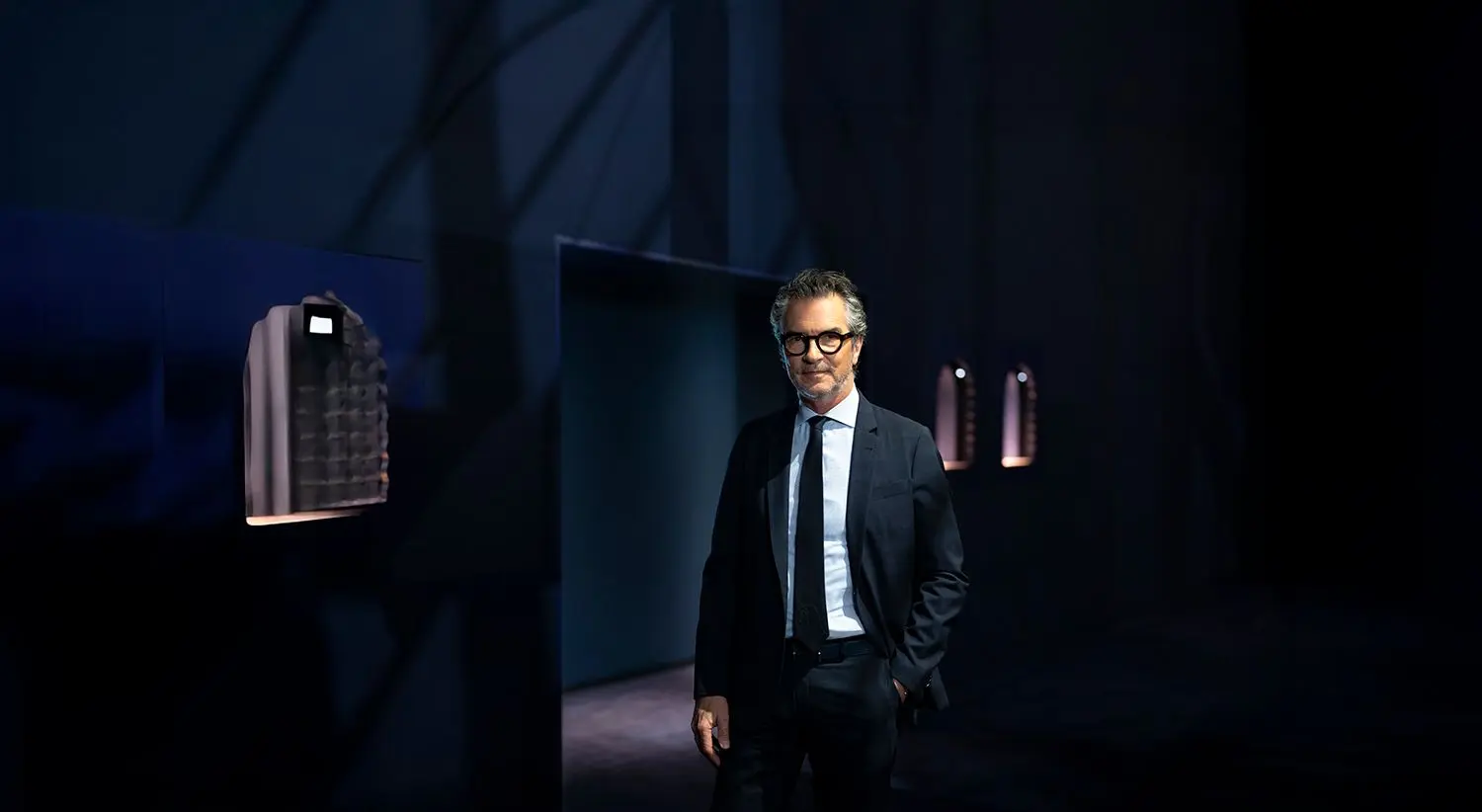
For Delhotal, a watch is far more than a mechanical instrument. It is an object capable of carrying emotion, telling stories, and creating a personal connection with its owner. While technical excellence remains fundamental, he sees watchmaking as a unique territory where engineering, design, craftsmanship, and creativity coexist in equal measure.

This philosophy has become increasingly relevant in today's world. Surrounded by constant notifications, digital distractions, and an ever-growing dependence on technology, many collectors are gravitating toward objects that feel authentic and enduring. According to Delhotal, watches offer a sense of calm and permanence that has become increasingly valuable.
"We live in a noisy and sometimes worrying world," he explains. "People are looking for things that feel more authentic, more natural, and more true. A watch can bring a certain serenity and a sense of balance."
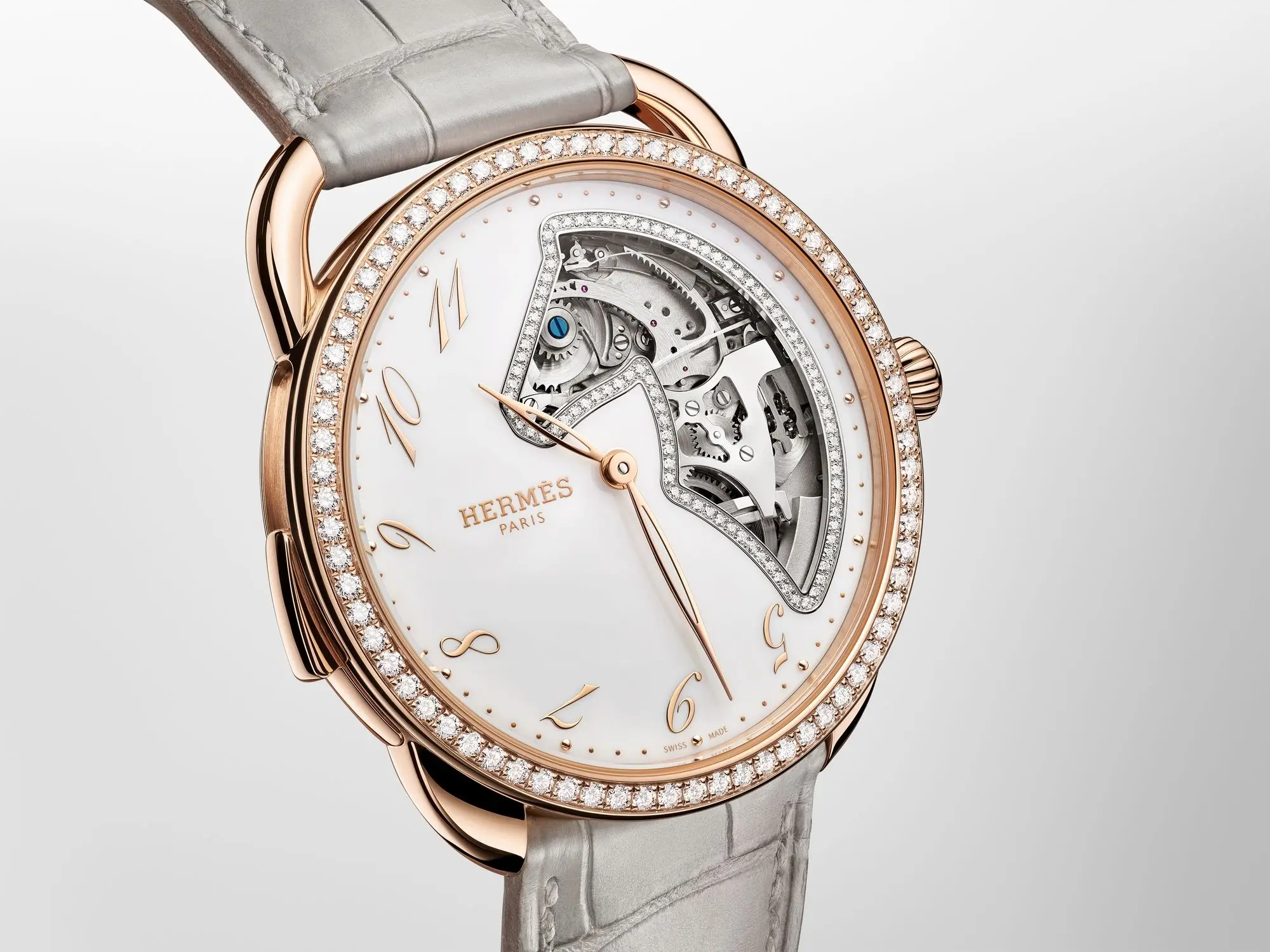
That balance is evident in Hermès' latest creations. Pieces such as the Slim d’Hermès Squelette Lune demonstrate the maison's ability to combine technical sophistication with visual restraint. While skeletonized watches often emphasize complexity and mechanical performance, Hermès approaches the complication differently, creating a design that feels airy, elegant, and remarkably effortless.
Yet achieving that simplicity is anything but simple.
"It is very complicated to do simple things," says Delhotal. "At Hermès, we are deeply attached to giving objects a simple expression, even when they contain significant technical achievements."

The challenge lies in maintaining harmony between engineering, aesthetics, and storytelling. Designers, product teams, and watchmakers work together to ensure that technical innovation never overwhelms the visual language of the watch. The goal is not to showcase complexity for its own sake, but to create an object that feels natural and intuitive.
This philosophy also shaped one of the year's most intriguing releases, the Arceau Samarcande. While its origins began with a highly technical ambition — developing one of the smallest automatic minute repeaters equipped with three hammers — the final result feels poetic rather than mechanical.

The watch incorporates a sculptural horse-head motif that reveals the movement beneath, while crystal elements pay tribute to Saint-Louis, the historic crystal manufacturer that forms part of the Hermès heritage. The result is a piece that carries considerable technical complexity without appearing visually complicated.
For Delhotal, that distinction is essential. Luxury today is no longer about excess. Instead, it is increasingly defined by subtlety, authenticity, and meaning.
The same shift can be seen among younger collectors. Contrary to traditional assumptions about luxury consumption, Delhotal has observed a new generation that is less interested in status symbols and more interested in understanding the objects they acquire. They want transparency, provenance, and purpose. They want to know why a piece was created, how it was made, and what story it tells.
This curiosity gives him confidence in the future of watchmaking.

Across different markets and countries, he continues to encounter young enthusiasts who are remarkably knowledgeable and genuinely passionate about craftsmanship. Rather than simply accumulating watches, they seek meaningful connections with the objects they own.
Perhaps this explains why watches continue to resonate in an increasingly digital age. While technology dominates modern life, Delhotal believes people still crave tangible objects that connect them to human creativity and craftsmanship.
He acknowledges the benefits of artificial intelligence and digital innovation, but remains convinced that human creativity cannot be replaced.
"We need to make mistakes," he says. "Mistakes help us learn, evolve, and create."

That belief has been shaped by a career spanning watchmaking, jewellery, fashion, and design. Looking back, Delhotal describes the journey as extraordinary, not only because of the products he has helped create, but because of the people, industries, and ideas he has encountered along the way.
Even after decades in the profession, his enthusiasm remains unchanged.
What continues to excite him is the possibility of discovery — the opportunity to explore new ideas, solve new challenges, and create objects that did not exist before. In his view, creativity has no finish line. Every year presents new opportunities, new perspectives, and new stories waiting to be told.
At a time when luxury often risks becoming louder, faster, and more performative, Delhotal's vision feels refreshingly different. The future of watchmaking, he suggests, may not belong to the most complicated watches, but to those capable of making complexity disappear.
After all, the hardest thing to create is often something that appears beautifully simple.
Latest Posts

An inspiring celebration of women in polo, sporting excellence, and community spirit brought players and supporters together at Al Habtoor Polo Club for a day of competition and philanthropy in partnership with Al Jalila Foundation
At Dubai AI Festival 2026, the academy will showcase its hands-on training programs designed to equip enterprises, universities, and professionals with the skills to defend against emerging AI threats

Is a media outlet that is part of our agency and provides basic tools for nurturing your business.


