
Inside the UAE’s New Creative Ecosystems
How studios, coworking spaces, and cultural hubs are reshaping the way artists and designers build their practice

For creative professionals, the choice of workspace is rarely just about having a desk — it is about being in the right environment. In recent years, creative spaces in Dubai have evolved into dynamic, multi-functional venues where work, culture, and community intersect. Alongside this, coworking spaces in Dubai are moving beyond traditional office concepts, adapting to the needs of artists, designers, and independent creatives.
Across both Dubai and Abu Dhabi, these spaces are becoming essential infrastructures for the creative economy — offering not only places to work, but also platforms for visibility, collaboration, and exchange.
Creative Spaces in Dubai: Hybrid Formats
What defines today’s creative landscape in Dubai is its hybrid nature. Many venues operate simultaneously as workspaces, exhibition platforms, and cultural hubs, allowing different forms of activity to coexist within one environment.
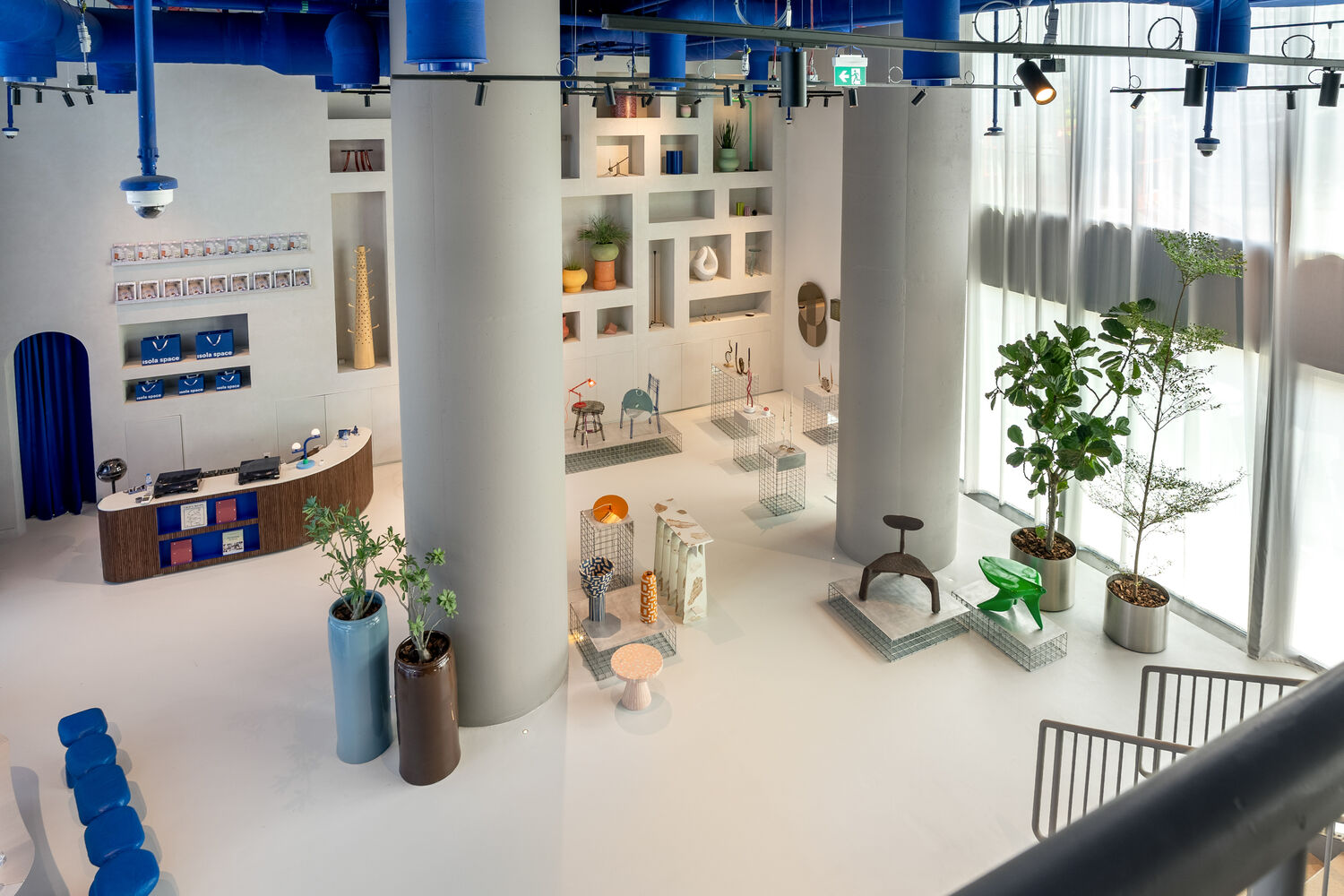
Spaces like Isola Space bring together design retail, exhibitions, cafés, and flexible work areas, supported by a programme of talks and workshops. This format encourages interaction between creatives and visitors, reinforcing the sense of an active, connected community.
Similarly, A4 Space functions as an open, accessible environment within Alserkal Avenue, offering areas for reading, informal meetings, and work. Its регулярная программа мероприятий reflects how coworking in Dubai is increasingly shaped by community engagement rather than purely functional use.
These spaces demonstrate that creative coworking today is less about renting a desk and more about participating in a broader cultural ecosystem.
Art Studios and Production Spaces
While hybrid spaces are growing, dedicated studios remain fundamental for hands-on creative work. For artists and designers, access to equipment, materials, and structured programmes is still a key requirement.
Tashkeel operates as a membership-based platform offering studio facilities, workshops, and professional development opportunities. Its model supports long-term artistic practice while connecting creatives to exhibitions and initiatives.
At the same time, The Jamjar focuses on accessibility, opening its studio environment to the public through workshops and interactive sessions. This approach blurs the line between production and participation, making artistic processes more visible and inclusive.
Some hybrid venues, including Isola Space, also offer studio-style work areas, creating flexible options for those looking to combine daily practice with exposure to a wider audience.
Coworking and Creative Communities
The connection between coworking spaces and creative communities in Dubai is becoming increasingly structured. Programming — from talks and exhibitions to workshops — plays a central role in shaping these environments.
Districts such as Alserkal Avenue illustrate this particularly well. With galleries, studios, and cultural venues located in close proximity, they create a concentrated ecosystem where collaboration and exchange happen organically.
As a result, coworking in the creative sector is no longer isolated. It is embedded within a network of events, conversations, and shared experiences that extend beyond the workspace itself.
Creative Spaces in Abu Dhabi
A similar evolution is taking place in Abu Dhabi, though often through more structured, institution-led initiatives.
Yas Creative Hub, part of the twofour54 ecosystem, provides integrated facilities for media and creative professionals — combining office space, production infrastructure, and business support within one environment.
Meanwhile, 421 Arts Campus focuses on exhibitions, education, and public programming, offering a platform for both emerging and established artists.
These spaces highlight how Abu Dhabi’s creative sector is developing through coordinated frameworks that link workspace with learning and cultural production.
Why These Spaces Matter
The growing demand for studios and flexible work environments reflects a broader shift in how creative work is structured. Artists and designers increasingly rely on spaces that support both production and visibility, allowing them to maintain consistent practice while remaining connected to their audience and peers.
Across Dubai and Abu Dhabi, creative studios, coworking environments, and hybrid cultural spaces are responding to this need. Some prioritise making and production, others focus on community and exchange, while many combine both.
Together, they form a network that is shaping the region’s creative landscape — offering practical solutions for work, while also building the communities that sustain it.
Latest Posts

One of Dubai’s best-known shopping destinations is preparing for a major new chapter
Dubai is getting a major new winter attraction this December, with a large-scale festive festival set to open at Dubai Festival City Waterfront

Is a media outlet that is part of our agency and provides basic tools for nurturing your business.


