
Women Rebuilding Aleppo: A Quiet Force Behind Syria’s Recovery
Hala Gorani reflects on architects restoring the city’s historic heart through community-led rebuilding efforts
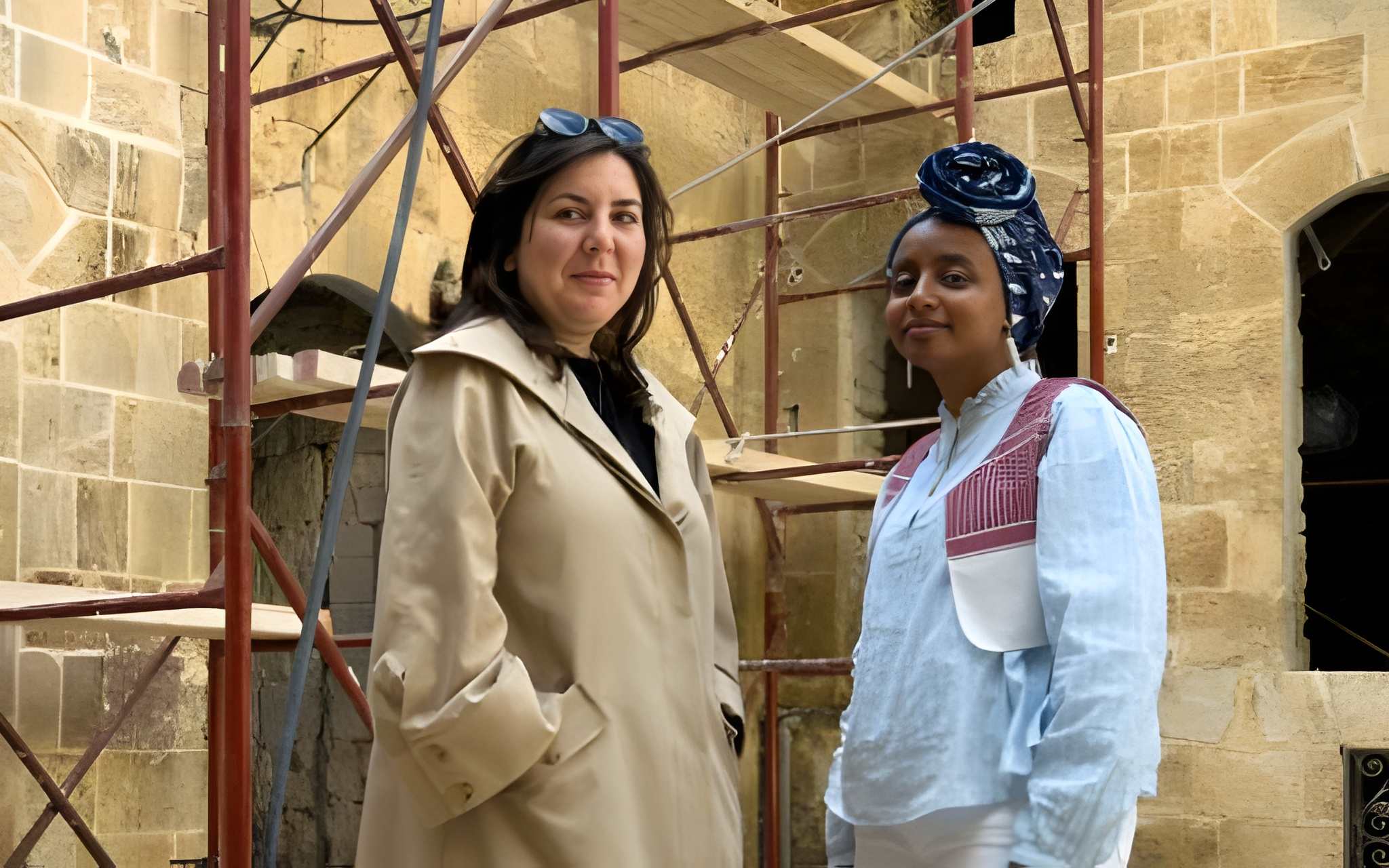
In her May column, Hala Gorani shares her experience meeting women architects working on the restoration of Aleppo’s old city, much of which has been devastated by years of war and neglect. Their work highlights a quieter, community-focused approach to rebuilding Syria’s future.
After walking through the ruins of the old souk, she enters a traditional courtyard house currently under reconstruction. There she meets two architects involved in the effort to revive the historic core of Aleppo, a city deeply scarred by conflict and, more recently, the 2023 earthquake.
One of them, Dima Dayoub, previously worked with the Aga Khan Development Network and now leads Aleppo projects for Turquoise Mountain, a charity founded by King Charles III. At first reserved, her demeanor reflects focus rather than distance—an approach that mirrors her architectural philosophy of rebuilding the city layer by layer, restoring not only landmark buildings but the broader urban fabric.
Dayoub emphasizes that reconstruction is not only about iconic monuments but about reviving everyday urban life. She also reflects on how conflict can shift social dynamics, noting that women often become more visible and independent in the workforce out of necessity.
She is joined by fellow architect Rama Omar, who has also worked with the Aga Khan Foundation throughout the war. The author notes that during her research on Aleppo’s reconstruction, she increasingly encountered women playing key roles in rebuilding efforts.
Gorani also acknowledges her personal connection to the city, as her family originates from Aleppo. The destruction of the old souk and surrounding heritage sites feels deeply personal, as these spaces form part of her identity. Around 70% of the historic market area was damaged or destroyed during the war and further impacted by the 2023 earthquake.
The architects describe the challenges of working in a country still facing economic collapse, limited funding, and shortages of skilled labor. They also speak about the difficulty of entering a male-dominated industry during a time of conflict, when construction sites were often marked by insecurity and violence.
Despite these challenges, they note gradual progress, even though leadership positions in the field remain largely occupied by men.
Their current projects include the restoration of a former medical clinic and a 17th-century residence known as Bait Wakil. These initiatives were chosen for their direct relevance to local communities, focusing on practical needs rather than large-scale symbolic developments.
Gorani contrasts this grounded, community-driven work with high-profile investment promises that often fail to materialize. Instead, these women focus on tangible, local impact—restoring essential spaces and quietly returning them to the people who depend on them.
Latest Posts

An evening of theatrical glamour, captivating performances and fine dining awaits as The Theater Dubai introduces VENUS, its latest immersive entertainment experience
Opera Gallery Dubai presents Al Nayed, a landmark retrospective exploring the artistic legacy of Abdulqader Al Rais and his role in shaping the UAE’s cultural identity.

Is a media outlet that is part of our agency and provides basic tools for nurturing your business.


