
How The Arts Center Made Performance Part of Abu Dhabi’s Cultural Rhythm
More than a decade after opening at NYU Abu Dhabi, The Arts Center has grown beyond a performance venue — creating space for artistic discovery, long-term collaboration and a community willing to experience the unfamiliar
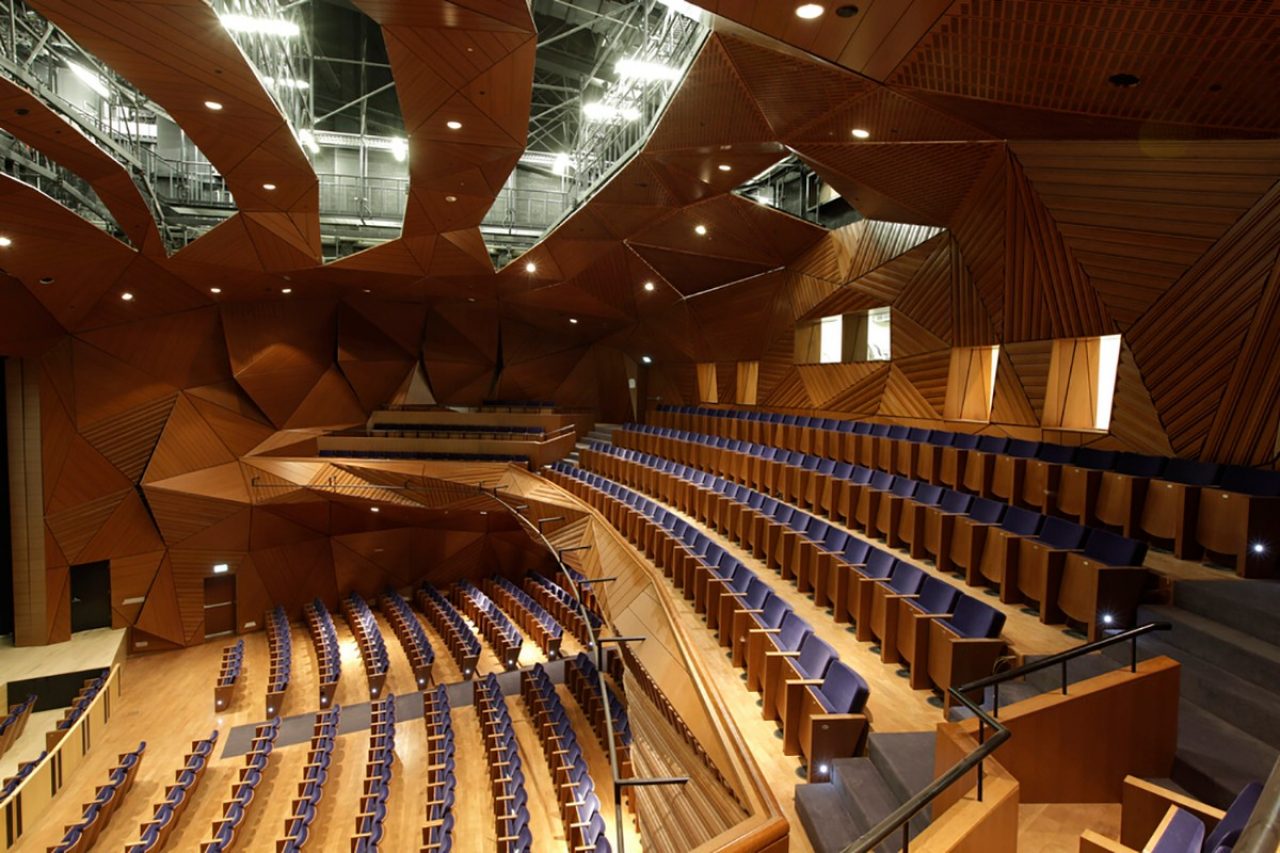
When The Arts Center at NYU Abu Dhabi began programming in 2015, the city was already home to major cultural events. Abu Dhabi Festival brought classical music, ballet, jazz and international performers to the capital. The Cultural Foundation had its own history of global programming, while Formula One weekends and events such as Beats on the Beach attracted large audiences.
The missing element was not culture itself, but continuity. Performances arrived as individual occasions rather than as part of a regular season. There was no dedicated place where audiences could encounter contemporary dance, theatre, music, film and multidisciplinary work almost every week.
The Arts Center was created to fill that space.
Today, it operates as part of NYU Abu Dhabi while remaining firmly open to the wider city. Students and faculty engage with its programme, but most visitors come from outside the university. Its stage has welcomed artists from the UAE, the region and across the world, often presenting work that local audiences have not previously had the opportunity to see.
Executive Artistic Director Bill Bragin describes it as “a place for discovery.” That description has shaped both the programme and the relationship The Arts Center has built with Abu Dhabi over the past decade.
Building a rhythm, not an occasional event
From the beginning, The Arts Center approached performance as something that could become part of everyday cultural life.
Rather than organising isolated headline events, it created an ongoing season. Audiences could return regularly for a theatre production, a dance performance, a concert, a film or a work that did not fit neatly into any single category.
During the first two years, attendance was free, with bookings opening at announced times. According to Bragin, some performances reached capacity in less than an hour. People would even pause office meetings to access the website before tickets disappeared.
When paid ticketing was introduced, prices remained accessible. The intention was to make repeat attendance possible rather than position every performance as an expensive annual occasion.
This regularity gradually changed the way audiences engaged with the programme. People did not always need to recognise an artist’s name or fully understand the format before booking. Instead, they began to trust the venue itself.
That trust is especially important for a programme centred on contemporary work. Much of what appears at The Arts Center is unfamiliar to local audiences, whether because an artist has not previously performed in the UAE or because the work crosses several disciplines at once.
Bragin initially kept the programme deliberately broad because there was no clear indication of which audiences would emerge. What became evident was that curiosity could be stronger than familiarity. Visitors were prepared to enter a performance without knowing exactly what to expect.
When an audience becomes a community
Filling seats has never been the final objective.
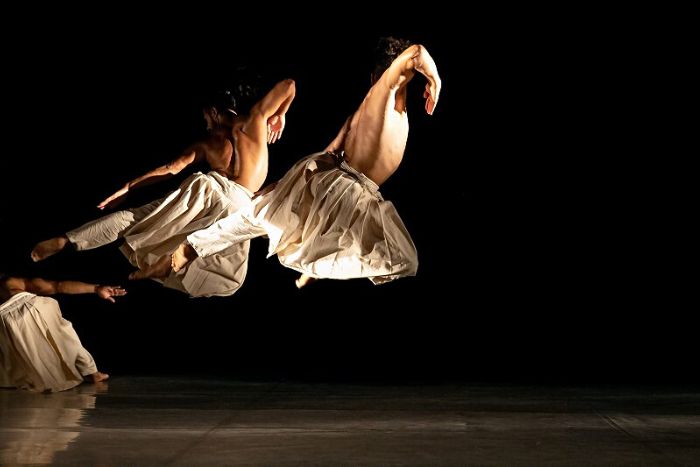
Bragin distinguishes between developing an audience and creating a community. The first can be measured through bookings and ticket sales. The second depends on relationships: between artists and viewers, between people sharing the same room and between the institution and the city around it.
“We’re not just trying to sell tickets and fill seats,” he explains. “We’re trying to bring people together in temporary communities at each show where the audiences are in dialogue with the artists and with each other, and with us.”
That dialogue does not end when the performance finishes. Workshops, conversations, residencies and artist development programmes allow ideas and relationships to continue beyond a single evening.
The question is not simply whether someone enjoyed a show. It is also what the experience made them feel, what it encouraged them to reconsider and what they discussed afterwards — perhaps even with the stranger seated beside them.
This approach has helped The Arts Center establish a public identity that reaches well beyond the university. Although NYU Abu Dhabi provides its institutional home, the venue’s community is drawn largely from the wider population of the city.
A season that shows how the model has evolved
Now in its 12th season, The Arts Center continues to build its programme around renewal, connection and shared experience.
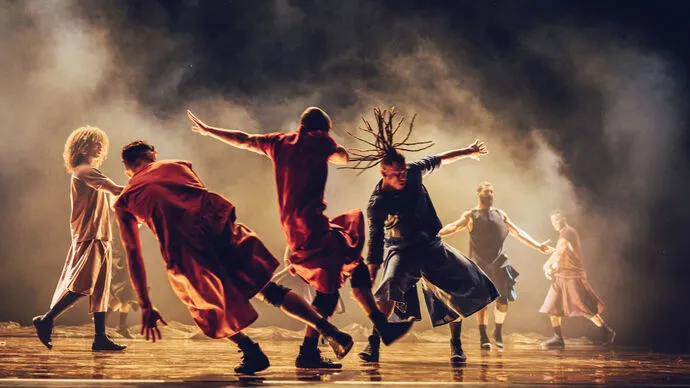
The season opened with Gulf debuts from The Dirty Dozen Brass Band and Fanfaraï. It was followed by the Middle East premiere of The Butterfly Who Flew Into The Rave, which extended into late-night DJ sets with Dubai’s Analog Room.
That movement between the stage and the wider cultural community reflects how The Arts Center now operates. A production may lead into a workshop, a discussion, a school matinee or a collaboration with another organisation. The performance remains central, but it is rarely treated as an isolated event.
Upcoming works demonstrate the range of the programme.
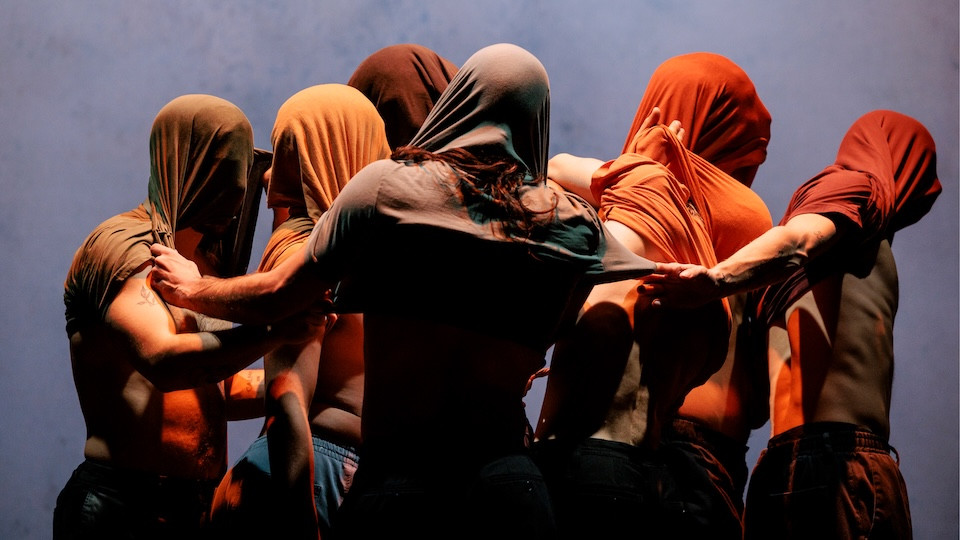
Youness Atbane’s Untitled 14km will receive its UAE premiere, combining dance, theatre, performance and installation to explore the way the contemporary art world represents Arab identity.
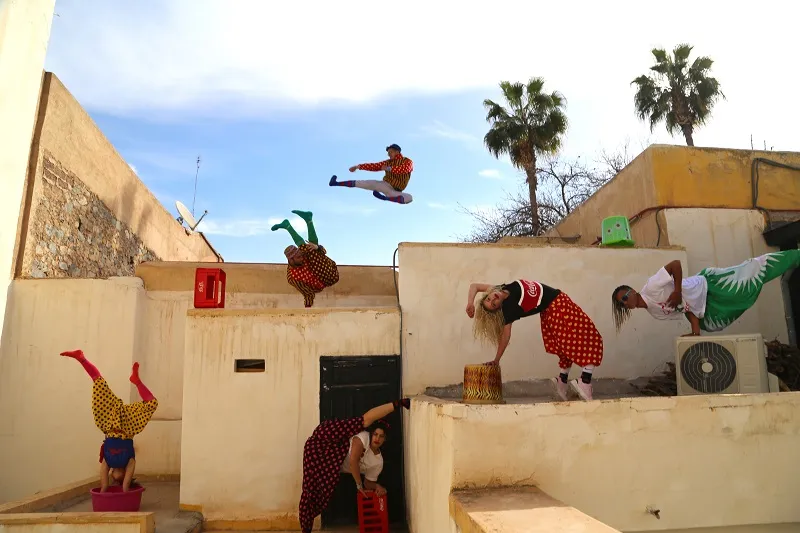
Fouad Boussouf’s Näss brings hip-hop together with North African musical traditions. Its presentation is accompanied by a public workshop and a school matinee, allowing the work to reach audiences through several different formats.
Sam Green’s TREES combines live documentary with music performed by the UAE National Orchestra, while Knot, created by Emirati artist Afra Al Dhaheri and choreographer Dovydas Strimaitis, is being co-commissioned by The Arts Center.
Together, these projects show an institution that is no longer focused only on bringing completed international productions to Abu Dhabi. It is increasingly involved in the development of new work and in creating connections that allow artists to experiment, collaborate and produce.
Creating more with fewer resources
Large productions with complex technical requirements remain part of The Arts Center’s identity, but Bragin is also interested in what can happen on a smaller scale.
For artists based in the UAE, seeing strong work created with limited resources can be as important as encountering ambitious international productions. It demonstrates that meaningful performance does not always require a major budget, an elaborate set or a large production team.
This is one of the areas Bragin wants the programme to develop further. Through initiatives such as Numoo, workshops and relationships formed between artists, The Arts Center hopes to support more UAE-rooted work — both within its own spaces and elsewhere in the country.
The goal is not only to present artists but to contribute to the conditions in which their work can grow.
Those conditions include opportunities to meet collaborators, test ideas, gain professional support and remain in conversation with other practitioners. A sustainable performing arts scene cannot rely solely on occasional showcases. It also needs the less visible structures that allow artists to continue working between them.
Taking stories from the UAE beyond its borders
While opportunities within the country have expanded, Bragin believes UAE-based performance remains underrepresented internationally.
Even at global festivals dedicated to work from the Arab world, productions from the UAE are still relatively uncommon. For Bragin, the next stage of development must include helping more locally rooted stories travel.
“I’d love to see more stories about the UAE on the global stage, coming from the perspectives of those of us who call this place home,” he says, “to give a richer, more nuanced picture of our lives and who we are.”
That ambition reflects a broader understanding of cultural exchange. International artists coming to Abu Dhabi form only one part of it. Artists working in the UAE must also have routes to audiences elsewhere.
The Arts Center’s role, therefore, is not simply to import performances. It is also to support the creation of work that can eventually represent the complexity of life in the UAE on stages beyond the country.
Growing with Abu Dhabi’s cultural ecosystem
The Arts Center has evolved alongside a city whose cultural landscape now looks very different from the one Bragin encountered in 2015.
The development of Saadiyat Cultural District, Louvre Abu Dhabi, 421, teamLab Phenomena, new museums and cultural institutions has expanded what is possible in the capital. The establishment of the UAE National Orchestra has added another important element to that network.
For Bragin, the growth of the sector has not produced a culture of competition. Instead, institutions are increasingly able to complement one another.
The upcoming presentation of TREES offers a clear example. Sam Green’s live documentary will be performed with the UAE National Orchestra, featuring music by composer Caroline Shaw. For years, projects requiring an orchestra were difficult for The Arts Center to realise locally because there was no suitable ensemble available to it. The arrival of the UAE National Orchestra changes that.
It is a practical illustration of how a cultural ecosystem develops: the creation of one institution gives another the ability to produce a completely different kind of work.
The Arts Center did not build Abu Dhabi’s performing arts scene alone. What it has helped establish are several of the conditions such a scene needs — regular access to contemporary performance, audiences prepared to take creative risks, opportunities for artists to develop and connections between people and organisations.
More than a decade after opening, its most important contribution may be that it has made performance feel less like a rare event and more like an ongoing part of the city’s life.
As Bragin puts it: “I think we’ve opened the dialogue about what’s possible.”
Latest Posts

Princess Deemah bint Mansour bin Saud Al Saud, Weam Al Dakheel and Mashael Al Obaiden come together in Diriyah for a campaign shaped by presence, firsts and fearless ambition.
From questions of home and displacement to personal memory and the histories held by everyday materials, these five exhibitions offer a first look at the new season across Alserkal Avenue.

Is a media outlet that is part of our agency and provides basic tools for nurturing your business.


