
Where Heritage Comes Alive: Inside Abu Dhabi Royal Equestrian Arts
Discover how Abu Dhabi Royal Equestrian Arts brings together classical horsemanship, cultural heritage, art and craftsmanship in a unique destination on Jubail Island
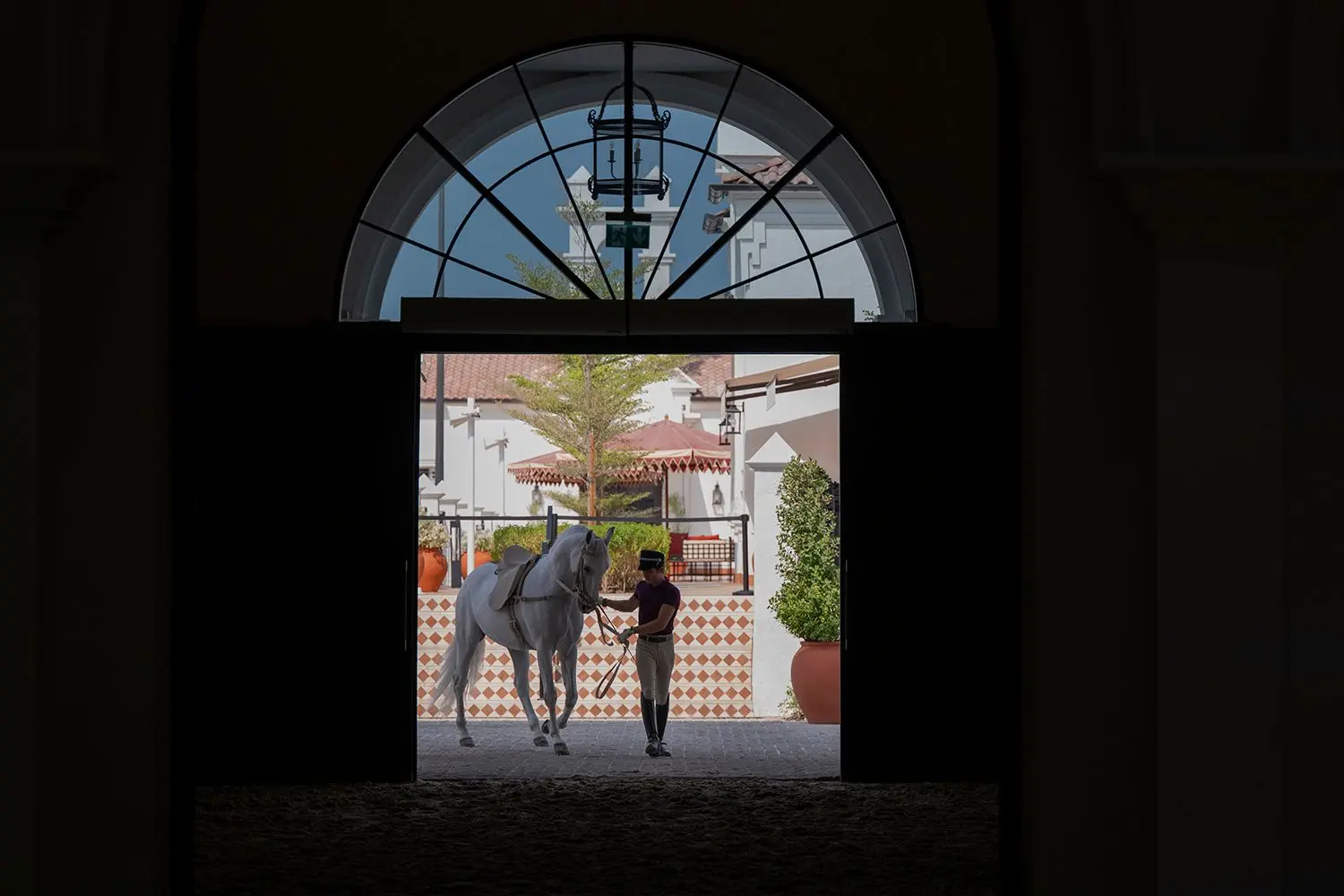
Abu Dhabi's cultural landscape continues to evolve, welcoming destinations that offer new perspectives on the region's history and traditions. Among them is Abu Dhabi Royal Equestrian Arts (ADREA), a distinctive institution on Jubail Island where the centuries-old art of horsemanship finds expression through performance, education, craftsmanship and contemporary cultural experiences.
While horses remain central to its identity, ADREA offers far more than an introduction to the equestrian world. Its spaces bring together historical collections, architectural design, literature and traditional artisan practices, creating an environment that appeals to visitors with a wide range of interests.
To explore the vision behind the institution, we spoke with Reem Al Mubarak, Head of Culture at ADREA, about the importance of preserving living traditions, making heritage accessible and creating meaningful connections between culture and community.
A Cultural Legacy Reimagined
At the heart of ADREA lies Furusiyya, an equestrian philosophy deeply rooted in Arab heritage. Traditionally associated with horsemanship, courage, knowledge and ethical values, Furusiyya represents a relationship between people and horses that extends well beyond riding techniques.
Throughout history, horses have occupied a significant place in regional identity. They have inspired literature, influenced artistic expression and played an important role in social and ceremonial traditions.
ADREA approaches this legacy from several perspectives, allowing visitors to discover how equestrian culture has influenced different aspects of human creativity.
For Reem Al Mubarak, the institution's cultural spaces are not independent attractions but interconnected parts of a larger narrative. The artistic, intellectual and practical dimensions of horsemanship naturally complement one another, revealing the depth of a tradition that continues to evolve.
This multidisciplinary approach makes ADREA relevant not only to established equestrian enthusiasts but also to visitors discovering the subject for the first time.
An Encounter with Classical Horsemanship
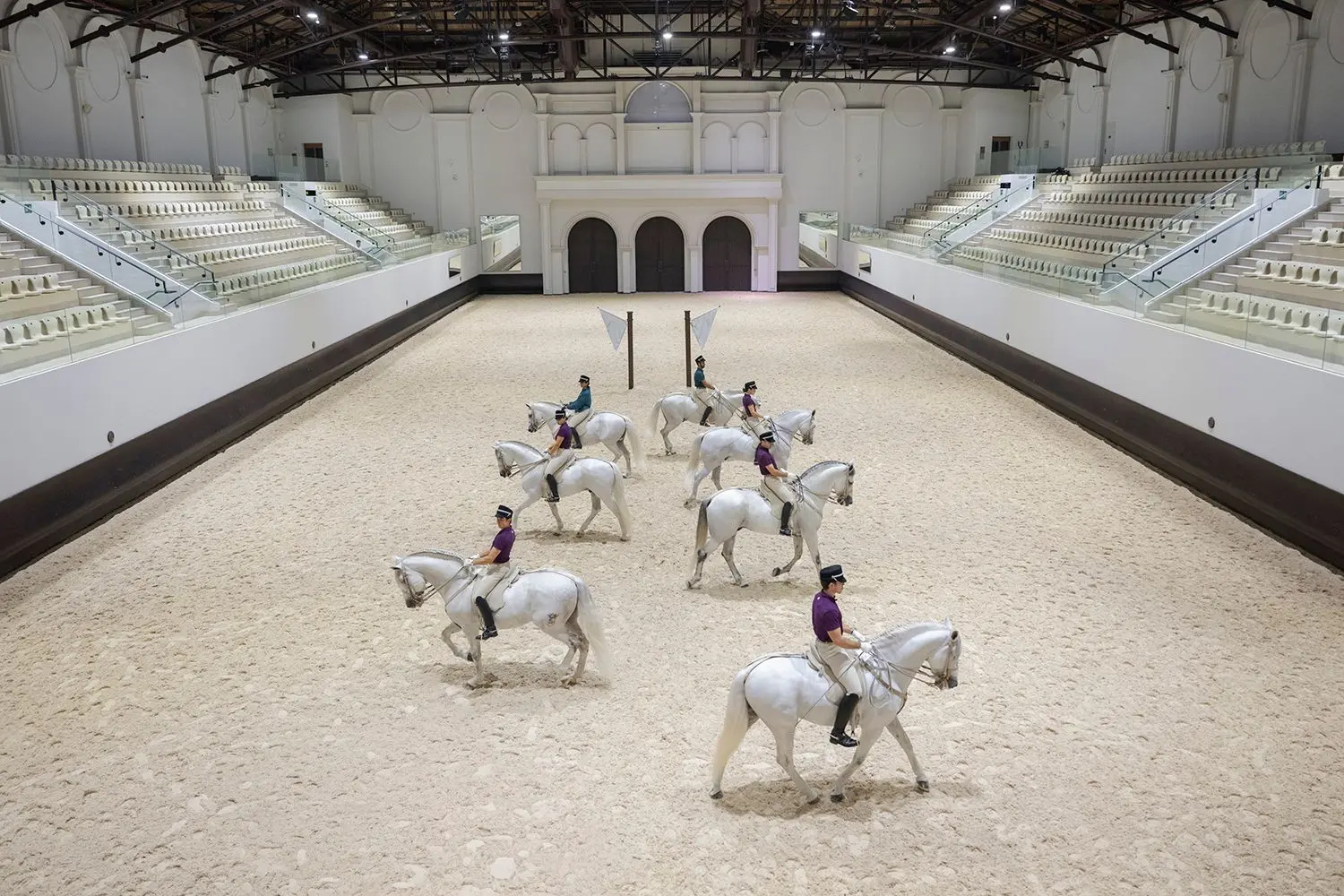
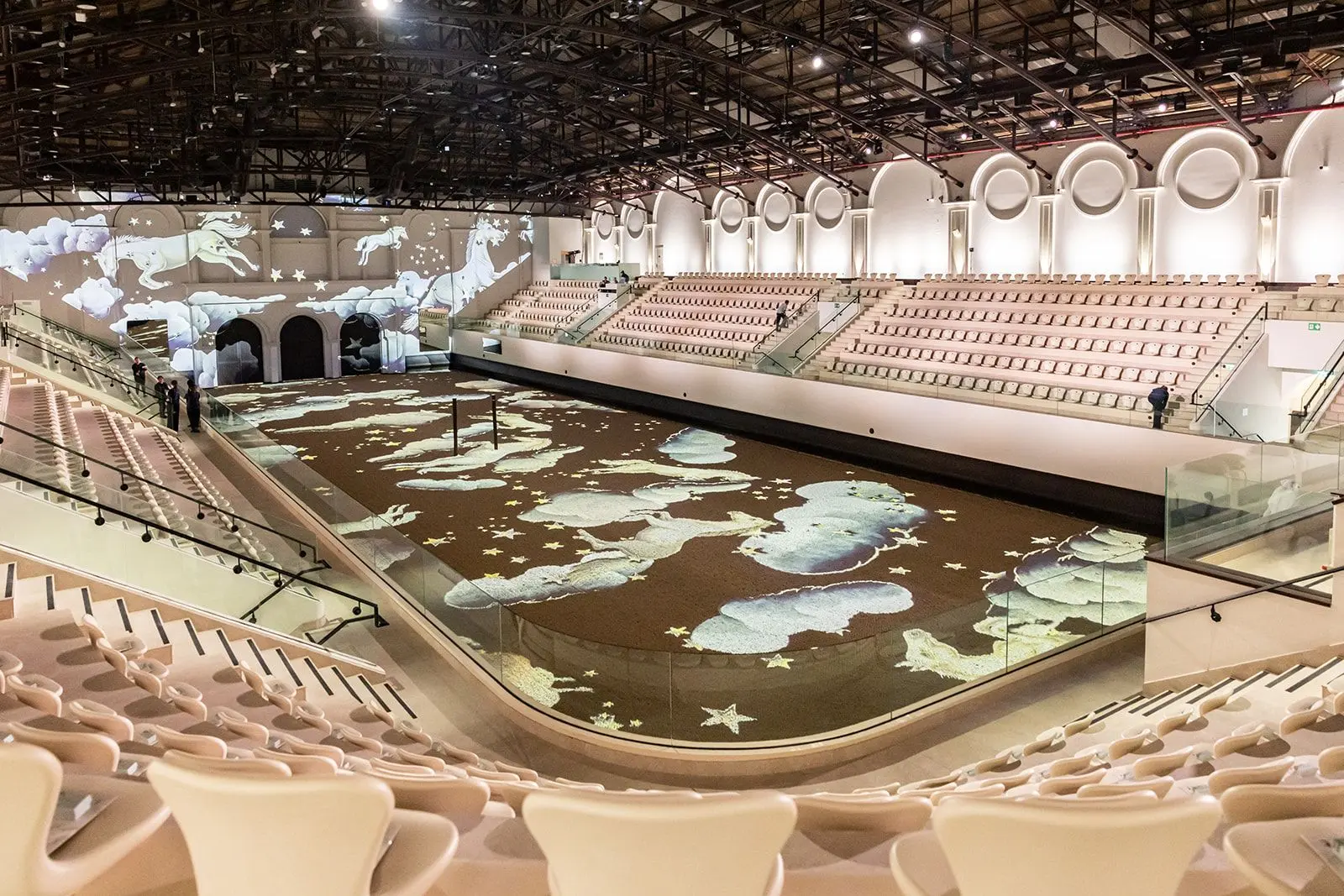
One of ADREA's defining experiences takes place inside its 1,200-seat indoor arena, where classical horsemanship becomes a form of live artistic expression.
The signature production, Furusiyya: The Return to Origins, introduces audiences to the refined movements, communication and coordination that define the relationship between horse and rider.
Rather than relying on spectacle alone, the performance highlights the discipline and understanding developed through years of dedicated training.
Every movement reflects a carefully established connection, where subtle cues and mutual confidence allow horse and rider to perform as a unified partnership.
According to Reem, audiences do not need technical equestrian knowledge to understand the significance of what they see. The artistry lies in the harmony between the two, as well as the patience and commitment required to achieve it.
For visitors unfamiliar with classical riding, the experience offers an accessible introduction to an art form shaped by centuries of knowledge.
A guided tour provides additional context, helping guests understand the institution's philosophy and the traditions reflected in its performances.
Discovering the Stories Behind the Objects
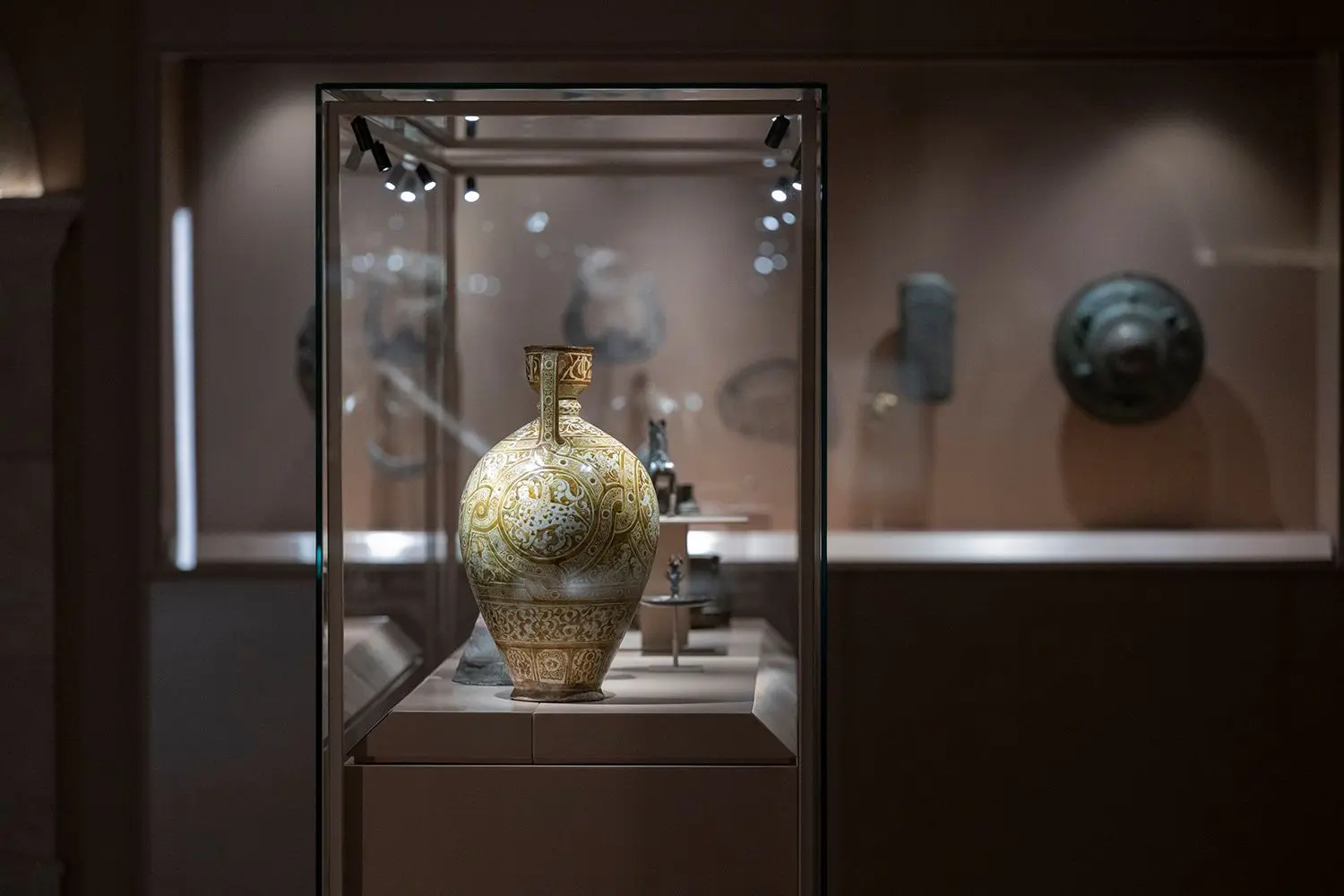
Beyond the arena, ADREA's Furusiyya Gallery offers a historical perspective on the relationship between horses and societies across different periods and regions.
The gallery brings together 176 objects, including historical weapons, manuscripts, textiles and equestrian equipment.
These pieces reveal how horsemanship influenced artistic traditions, craftsmanship and cultural identity.
A saddle, for instance, can communicate much more than its original practical function. Its materials, construction and decorative elements can reflect the skills of its maker, the customs of a particular community and the importance of horses within that society.
The collection encourages visitors to consider the individuals and traditions behind each object rather than viewing historical artefacts simply as remnants of the past.
This human dimension is particularly important to Reem, who sees cultural collections as opportunities to connect contemporary audiences with the knowledge, creativity and experiences of earlier generations.
For those interested in art history, material culture or heritage, the gallery offers an engaging way to explore the wider influence of the equestrian world.
A Library Designed for Discovery
ADREA's commitment to cultural preservation extends into its remarkable equestrian library, home to more than 14,000 volumes.
The collection includes specialist literature on horsemanship, historical references, rare publications and materials dedicated to the heritage of the United Arab Emirates.
Yet the library is notable for more than the knowledge contained within its shelves.
Developed in collaboration with Beirut-based design duo David/Nicolas, the interior combines sculptural forms, custom-made furnishings and flowing architectural lines, creating an atmosphere where contemporary design meets intellectual heritage.
Its visual identity makes it a destination in its own right, particularly for visitors interested in interiors, craftsmanship and architecture.
For Reem, libraries serve a purpose that reaches beyond protecting existing knowledge. They also create the conditions for new ideas, discussions and discoveries to emerge.
Within ADREA, the library supports that ambition by connecting the institution's historical foundations with ongoing research, learning and cultural exchange.
It is a space that invites visitors to explore at their own pace, whether through a particular field of study or an unexpected subject that captures their attention.
Keeping Traditional Craftsmanship Relevant
Another important dimension of ADREA's cultural programme is its atelier, where traditional equestrian craftsmanship takes centre stage.
Through practical demonstrations and workshops, visitors can discover the techniques involved in saddlery, leatherworking and the creation of specialised equestrian equipment.
These disciplines represent generations of technical knowledge, combining functionality with artistic precision.
In an era increasingly shaped by automated production, the atelier draws attention to the enduring value of handmade objects and the expertise required to create them.
It also illustrates the relationship between the institution's different spaces.
Historical equipment displayed in the gallery offers insight into the evolution of particular techniques, while the atelier demonstrates how related skills can remain relevant through continued practice.
For Reem, preserving craftsmanship means ensuring that specialist knowledge is not simply documented but actively shared, developed and passed on.
By bringing artisanship into the visitor experience, ADREA allows guests to appreciate the people and processes that sustain equestrian traditions.
Education as a Foundation for the Future
Alongside its cultural programme, ADREA operates as an educational institution dedicated to developing expertise in classical horsemanship and equine care.
Its academic offering includes a four-year Rider Degree programme, specialist horse development initiatives, equine care training and professional clinics.
The Rider Degree is specifically designed for Emirati students, reflecting the institution's commitment to nurturing local talent and safeguarding an important aspect of national heritage.
Meanwhile, ADREA's Mastery Clinics provide opportunities for equestrian enthusiasts from different nationalities to deepen their understanding and practical skills.
These programmes contribute to a broader mission: ensuring that classical horsemanship remains a living discipline supported by education, research and professional development.
However, becoming a rider is not a prerequisite for engaging with ADREA.
Reem believes that meaningful participation in culture can take many forms. Some visitors may develop an interest in equestrian training, while others may connect more strongly with literature, artistic traditions or hands-on creative experiences.
The institution's diverse programme reflects this philosophy, allowing each visitor to establish a personal connection with its cultural offering.
Experiences for Different Interests
One of ADREA's strengths is the variety of experiences available within a single destination.
Art and history enthusiasts can explore the Furusiyya Gallery, discovering objects that reveal the significance of horses across cultures.
Visitors with an interest in architecture and design can spend time in the library, where the interior itself offers an artistic experience.
Those drawn to traditional crafts can explore the atelier's demonstrations and workshops, while families can discover educational and creative activities designed for younger audiences.
The November anniversary programme, for example, includes opportunities to engage in illustration, bookbinding and sketching.
For visitors seeking an introduction to equestrian culture, a guided tour combined with a live performance offers a comprehensive starting point.
Dining venues overlooking the outdoor arena add another dimension to the destination, allowing guests to extend their visit beyond the scheduled cultural activities.
As programming and venue availability may vary, visitors are encouraged to review the latest schedule and arrange guided tours in advance.
A New Chapter for Abu Dhabi's Cultural Identity
For Reem Al Mubarak, ADREA's significance lies not in introducing an unfamiliar tradition to the UAE, but in offering a new platform for a heritage that has long been embedded in the region's cultural identity.
The challenge is to honour that history while ensuring it remains meaningful to contemporary audiences.
Reem's personal journey with the institution reflects this transformation.
She remembers visiting the site in April 2024, when the arena was still under construction, without its completed roof or seating. At that stage, the vision for ADREA existed largely in architectural plans and the ambitions of those working to bring it to life.
Today, watching audiences gather in the completed venue has become one of the most rewarding aspects of her role.
The transition from construction site to active cultural destination represents something greater than the completion of a physical space. It reflects the development of a community around shared experiences, curiosity and cultural appreciation.
As Abu Dhabi continues to strengthen its position as a global cultural destination, ADREA contributes a distinctive perspective to the emirate's creative landscape.
By bringing together equestrian excellence, historical knowledge, contemporary design and traditional craftsmanship, the institution demonstrates how heritage can remain relevant without losing its authenticity.
For visitors, ADREA offers an opportunity to experience that philosophy firsthand — whether through the elegance of a live performance, the details of a centuries-old artefact or the discovery of a new interest in its library.
Ultimately, its appeal is found in the connections it creates between history and the present, between artistic expression and practical knowledge, and between a longstanding cultural tradition and the people who will carry it forward.
Latest Posts

From sculptural silhouettes to intricate hand embroidery, a new vision of luxury is emerging through the creativity of the Middle East's most influential fashion designers
How AI Security Academy Is Turning the UAE’s AI Ambitions into Real-World Security Readiness

Is a media outlet that is part of our agency and provides basic tools for nurturing your business.


