
Beyond the Runway: How Arab Designers Are Redefining Haute Couture
From sculptural silhouettes to intricate hand embroidery, a new vision of luxury is emerging through the creativity of the Middle East's most influential fashion designers
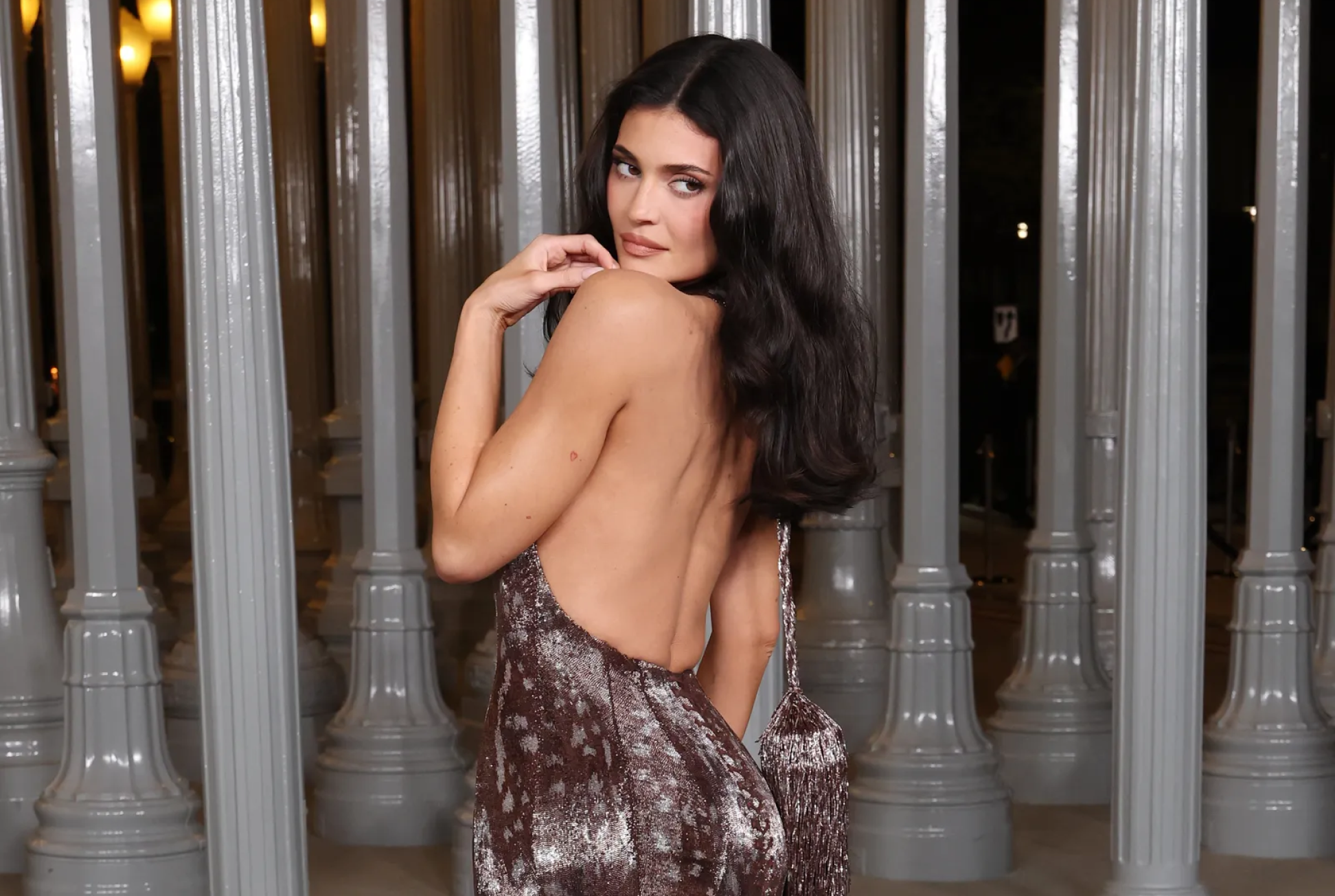
Fashion has always been a powerful form of artistic expression, but across the Middle East, haute couture has evolved into something particularly distinctive. Combining generations of craftsmanship with contemporary design, Arab couturiers are gaining international recognition for creations that challenge conventional ideas of luxury, beauty and individuality.
Lebanon remains one of the region's most influential centres of couture. Designers such as Zuhair Murad, Georges Hobeika and Georges Chakra have established international reputations through exceptional attention to detail, sophisticated silhouettes and elaborate embellishment. Their work reflects a longstanding appreciation for artisanal techniques, while introducing fresh interpretations of femininity and modern elegance.
A more experimental direction can be seen in the work of Mohammed Ashi, founder of Ashi Studio, whose architectural silhouettes and dramatic proportions have attracted global attention. Similarly, Tony Ward approaches clothing through structural precision, combining his experience at leading European fashion houses with the craftsmanship of his Beirut roots.
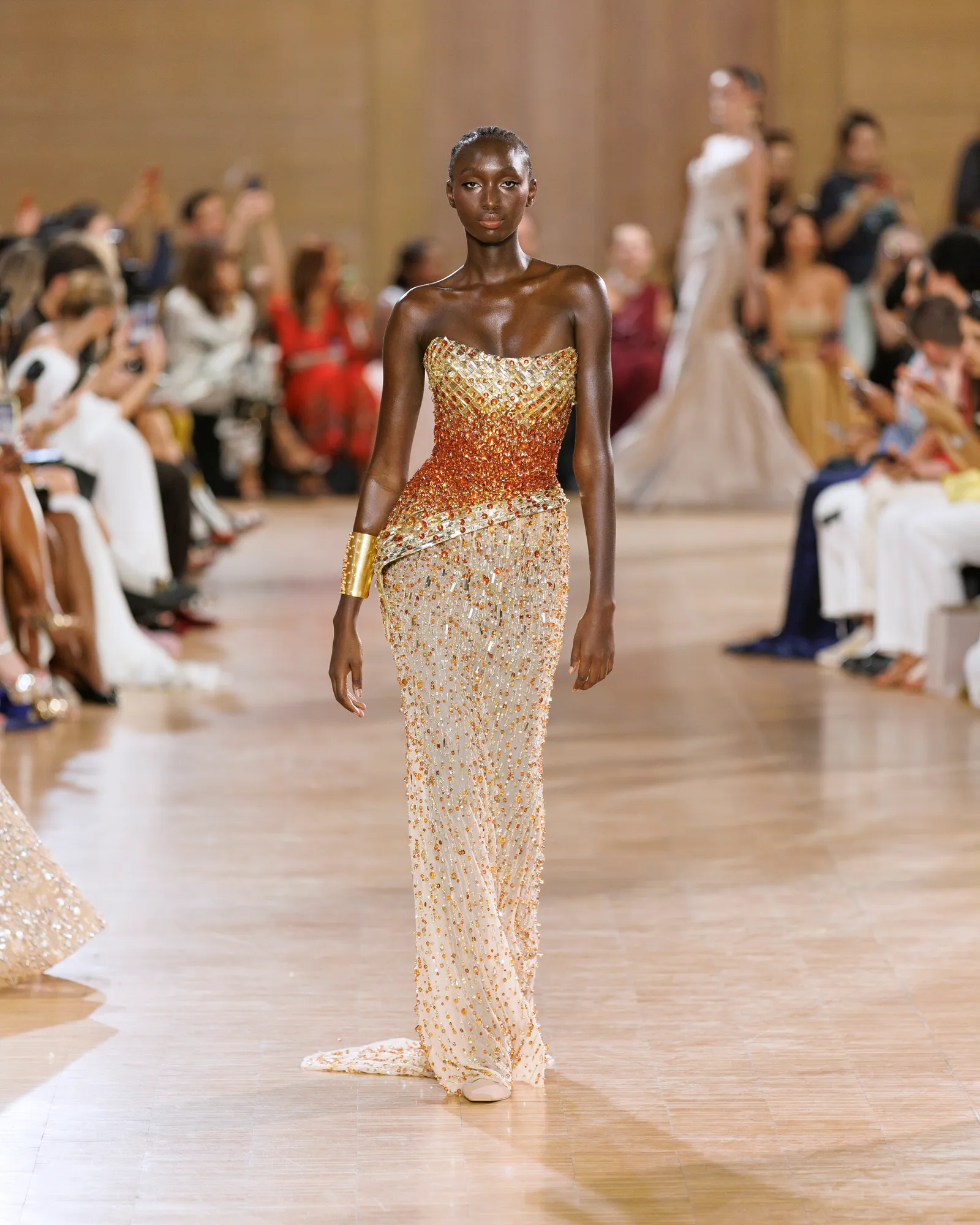
For a younger generation of designers, couture has become an opportunity to explore identity, technology and unconventional creative ideas. Hussein Bazaza incorporates imaginative narratives and unexpected textures into his collections, while Rami Kadi experiments with innovative materials, digital concepts and sustainable practices. Both demonstrate how traditional couture techniques can evolve alongside changing artistic perspectives.

Cultural identity also plays an important role in contemporary Arab fashion. Syrian designer Rami Al Ali, who established his house in Dubai, frequently explores the relationship between architectural heritage and elegant modern forms. His designs offer a contemporary interpretation of traditional influences, highlighting the importance of cultural storytelling within luxury fashion.
Meanwhile, Yasmin Mansour, the Egyptian-Qatari designer recognised for her architectural approach to eveningwear, is bringing a fresh perspective to garment construction. Her distinctive use of volume, pleating and sculptural shapes has earned recognition from major international fashion institutions.
Another notable creative voice is Krikor Jabotian, whose designs combine historical inspiration with meticulous craftsmanship. Influenced by his Armenian heritage and classical artistic traditions, his collections transform delicate materials, embroidery and ornamental details into expressive contemporary creations.
Together, these designers represent the diversity and creative ambition of Arab haute couture. Although their aesthetics differ, they share a commitment to craftsmanship, artistic exploration and the preservation of techniques that give couture its enduring value.

As Middle Eastern fashion continues to strengthen its presence on international runways and red carpets, its influence extends well beyond individual collections. Arab designers are contributing to a broader conversation about the future of luxury — one in which heritage and innovation coexist, and fashion becomes a medium for cultural expression.
Their work demonstrates that the significance of couture lies not simply in what is worn, but in the creativity, knowledge and human skill behind every creation.
Latest Posts

Discover how Abu Dhabi Royal Equestrian Arts brings together classical horsemanship, cultural heritage, art and craftsmanship in a unique destination on Jubail Island
How AI Security Academy Is Turning the UAE’s AI Ambitions into Real-World Security Readiness

Is a media outlet that is part of our agency and provides basic tools for nurturing your business.


