
Beyond Five-Star Luxury: Middle Eastern Hotels That Tell the Story of Place
From ancient mud-brick villages to restored merchant homes, these remarkable stays prove that authentic architecture and local heritage can create a far richer experience than conventional luxury ever could
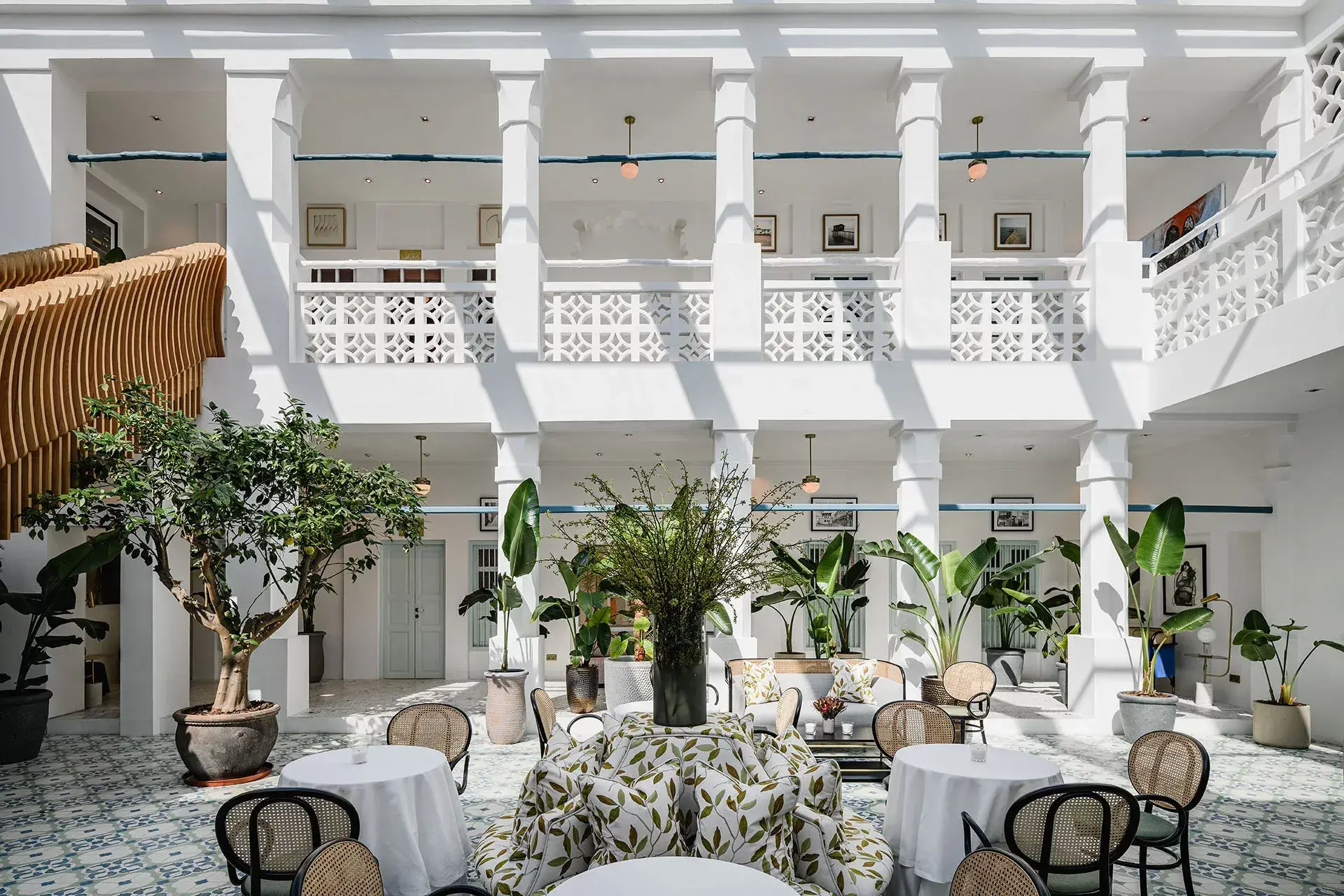
There is a certain kind of luxury hotel that could exist almost anywhere in the world. Marble-clad lobbies, polished interiors and designer furnishings offer comfort, but often reveal very little about the destination itself.
Across the Middle East, however, a growing number of heritage hotels are embracing a different philosophy. Rather than importing an international aesthetic, they celebrate the architecture, craftsmanship and traditions that have shaped their regions for centuries. Whether built from mud brick in Saudi Arabia, salt stone in Egypt or carved into Lebanon's mountain villages, these properties invite guests to experience the history of a place rather than simply visit it.
Here are some of the region's most inspiring heritage hotels where architecture is part of the journey.
Dar Tantora The House Hotel
AlUla, Saudi Arabia
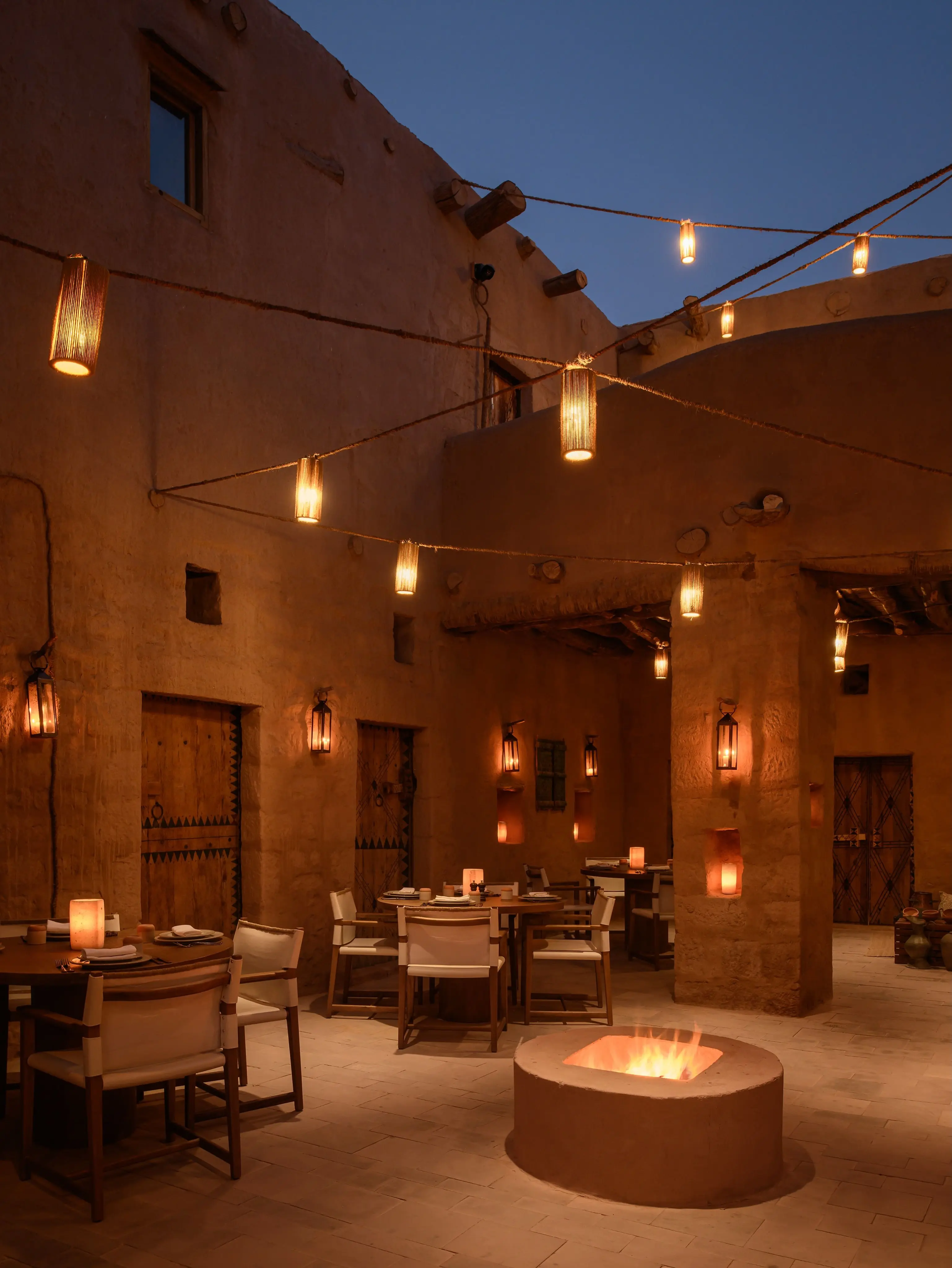
Hidden within the historic streets of AlUla Old Town, Dar Tantora offers guests the rare opportunity to stay inside one of Saudi Arabia's oldest surviving settlements.
Instead of replacing history with modern construction, the restoration carefully preserved original architectural details while reviving traditional materials including mud brick, local stone and palm wood. Thirty historic houses were thoughtfully transformed into guest accommodations, maintaining the layout and character that defined everyday life here for generations.
Even the hotel's name reflects local heritage. "Tantora" refers to the ancient sundial once used by AlUla's residents to measure the seasons and guide agricultural life.
Rather than recreating traditional Saudi design, Dar Tantora allows visitors to experience it firsthand.
Adrère Amellal
Siwa Oasis, Egypt
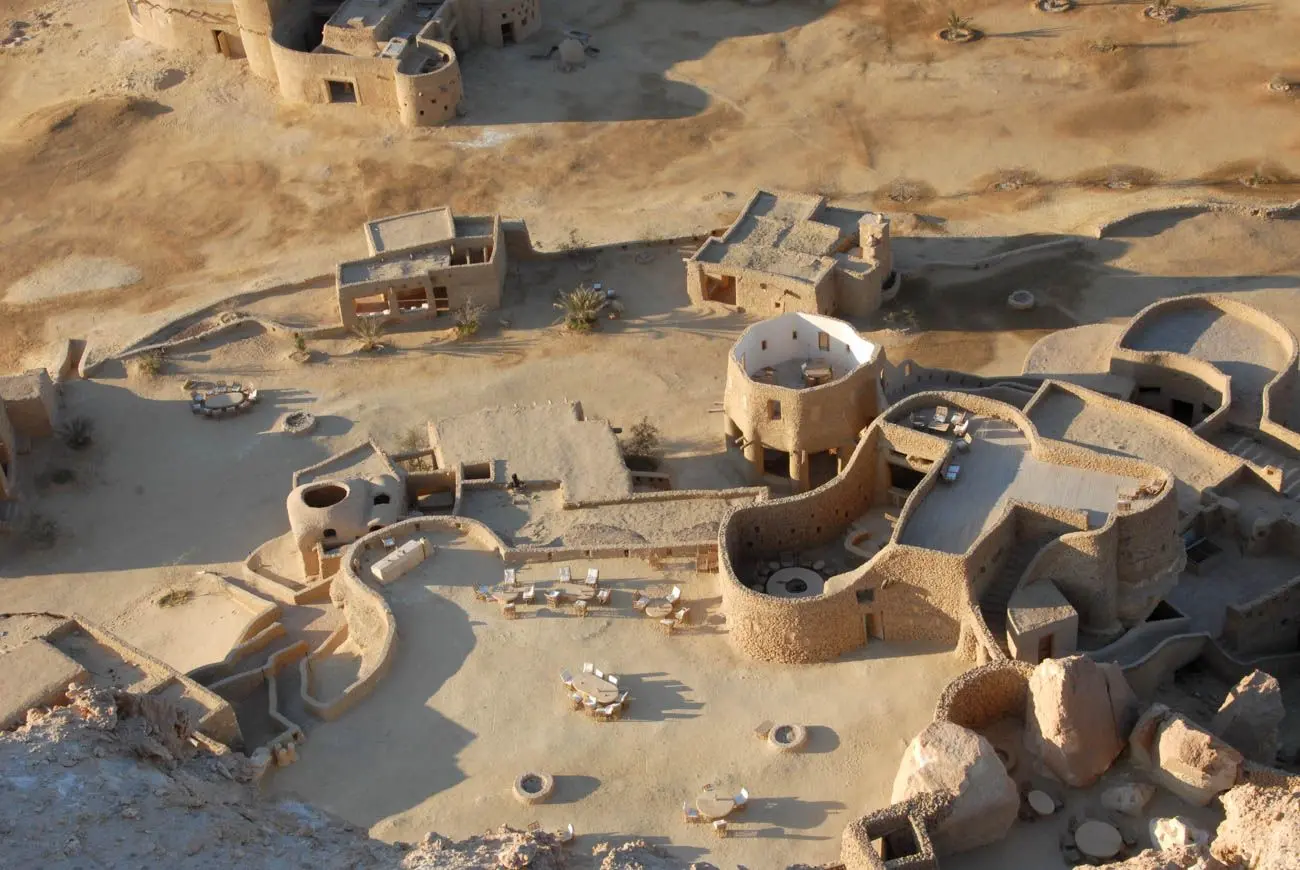
At the edge of Egypt's spectacular Siwa Oasis, Adrère Amellal demonstrates how sustainability and heritage can exist hand in hand.
Inspired by the nearby ancient settlement of Shali, the lodge was built almost entirely using kershef — a traditional Siwan mixture of salt rock and mud that has been used locally for centuries. Palm timber and handcrafted furnishings made from regional materials further strengthen the connection to the landscape.
The experience intentionally avoids many modern conveniences. Evenings are illuminated primarily by candles and lanterns, while natural spring water supplies the property, creating an atmosphere that feels remarkably disconnected from contemporary life.
Rather than following modern design trends, Adrère Amellal embraces centuries-old building techniques that continue to suit the desert environment today.
Feynan Ecolodge
Dana Biosphere Reserve, Jordan
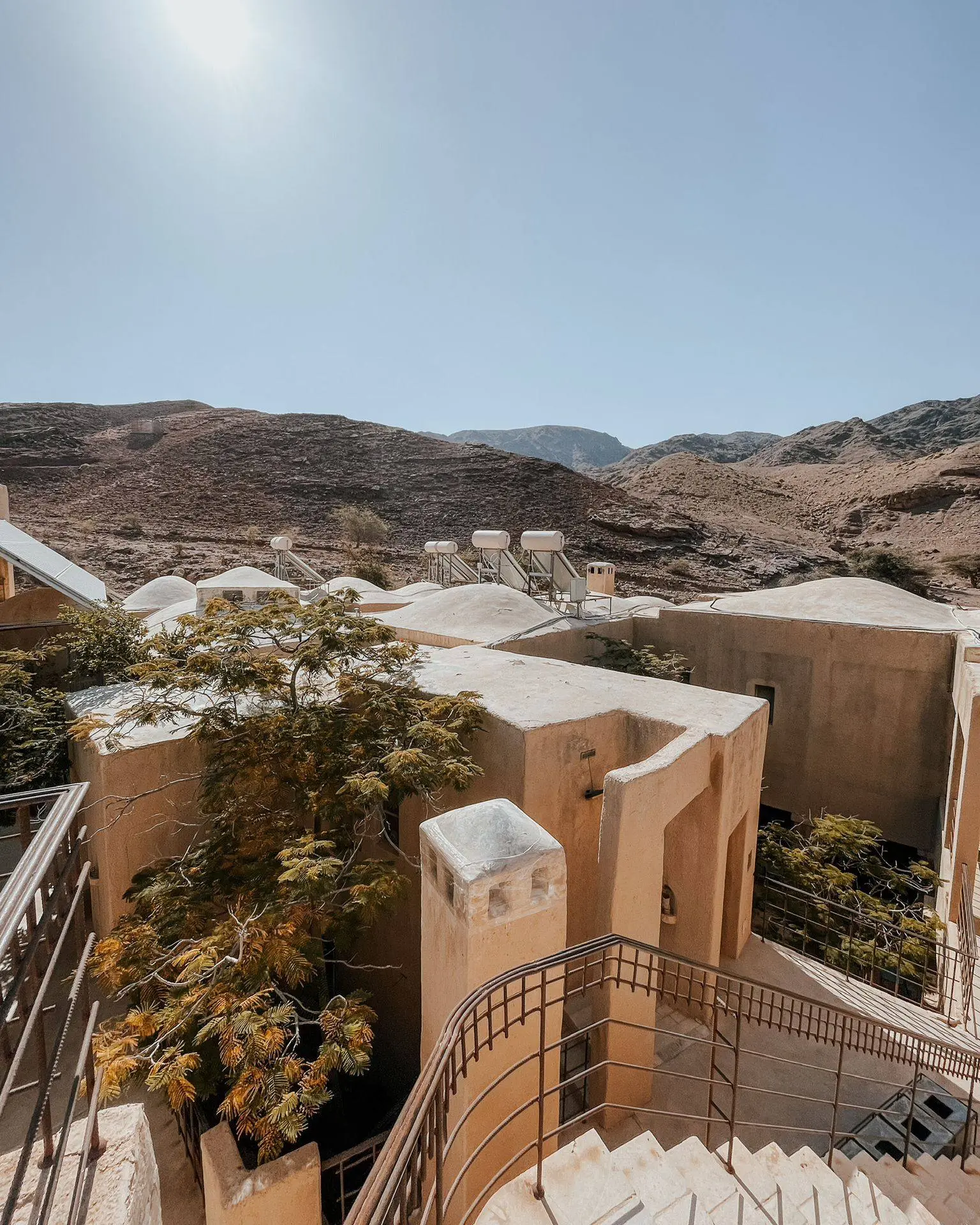
Deep within Jordan's Dana Biosphere Reserve, Feynan Ecolodge takes inspiration from the ancient caravanserais that once welcomed merchants travelling across historic trade routes.
Its earth-toned walls, shaded courtyards and simple geometric forms reflect regional architectural traditions while responding naturally to the surrounding desert landscape.
Sustainability plays an equally important role. Solar energy powers the lodge, candlelight replaces electric lighting after sunset, and nearby Bedouin communities remain closely involved through guiding, hospitality and traditional cuisine.
Feynan offers a contemporary interpretation of Jordanian architecture while remaining deeply connected to the culture and environment that inspired it.
Nuzul Al Salam
Muharraq, Bahrain
Originally built in 1947 as a private family residence known as Fathallah House, Nuzul Al Salam has been carefully restored into an intimate guesthouse located along Bahrain's UNESCO-listed Pearling Path.
Instead of adopting a conventional hotel layout, the restoration preserved the home's original organisation around shaded courtyards and communal living spaces, reflecting the architectural priorities of traditional Bahraini homes.
Its location within one of Muharraq's historic neighbourhoods allows guests to experience a district shaped by generations of pearl merchants, traders and local families, making the hotel feel inseparable from the city's living heritage.
Beit Douma
Douma, Lebanon
Set high in the Lebanese mountains, Beit Douma captures the atmosphere of a traditional family home rather than a boutique hotel.
Occupying a beautifully restored stone residence dating back to the 18th and 19th centuries, the property preserves many original architectural elements, including Summaqi stone flooring, the traditional hharounn floor-heating opening and Lebanon's distinctive triple-arched windows.
The central gathering room remains the heart of the house, while guests can still watch bread being baked in a traditional outdoor tabouneh oven.
Every preserved detail reflects the rhythms of everyday mountain life, creating an experience rooted in authenticity rather than nostalgia.
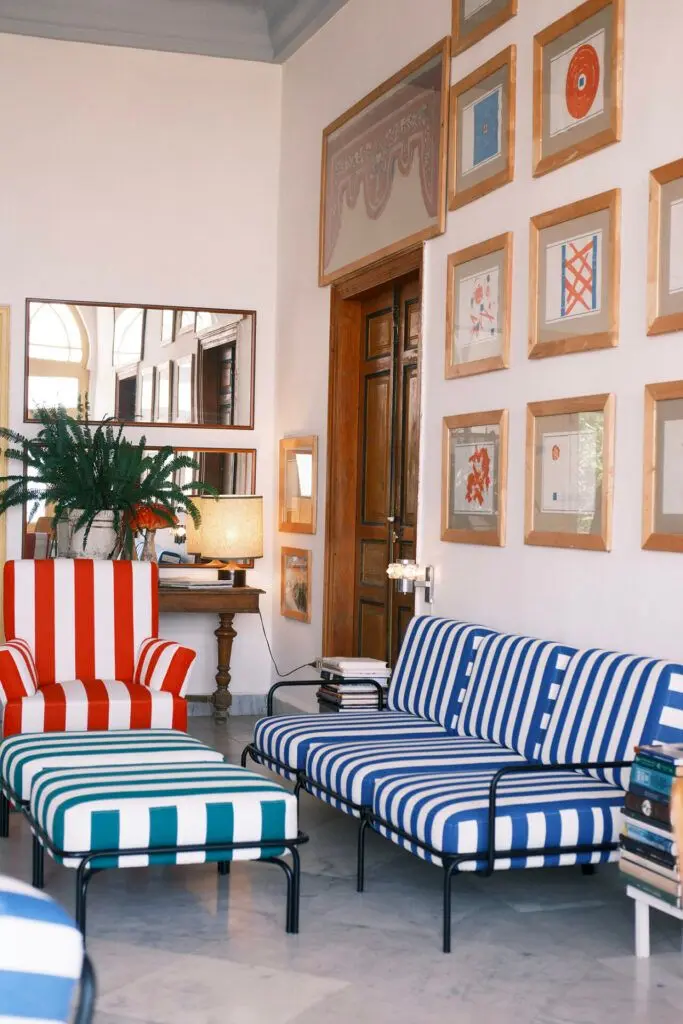
Where Heritage Becomes the Ultimate Luxury
These remarkable hotels demonstrate that Middle Eastern architecture cannot be reduced to a single design language.
Each destination reflects its own geography, climate, building materials and centuries of local knowledge. Saudi Arabia's mud-brick settlements, Egypt's salt-built oasis homes, Jordan's desert lodges, Bahrain's courtyard residences and Lebanon's mountain houses all tell entirely different stories.
Instead of following global luxury trends, these properties celebrate something far more valuable: a genuine sense of place. And for travellers seeking meaningful experiences, that may be the greatest luxury of all.
Latest Posts

Princess Deemah bint Mansour bin Saud Al Saud, Weam Al Dakheel and Mashael Al Obaiden come together in Diriyah for a campaign shaped by presence, firsts and fearless ambition.
More than a decade after opening at NYU Abu Dhabi, The Arts Center has grown beyond a performance venue — creating space for artistic discovery, long-term collaboration and a community willing to experience the unfamiliar

Is a media outlet that is part of our agency and provides basic tools for nurturing your business.


