
Recovery Studios in the Gulf: The Rise of Ice Baths, Saunas, and a New Wellness Culture
From cold plunges to contrast therapy, a new wave of recovery-focused studios is transforming the Gulf’s fitness scene into a holistic, science-led movement
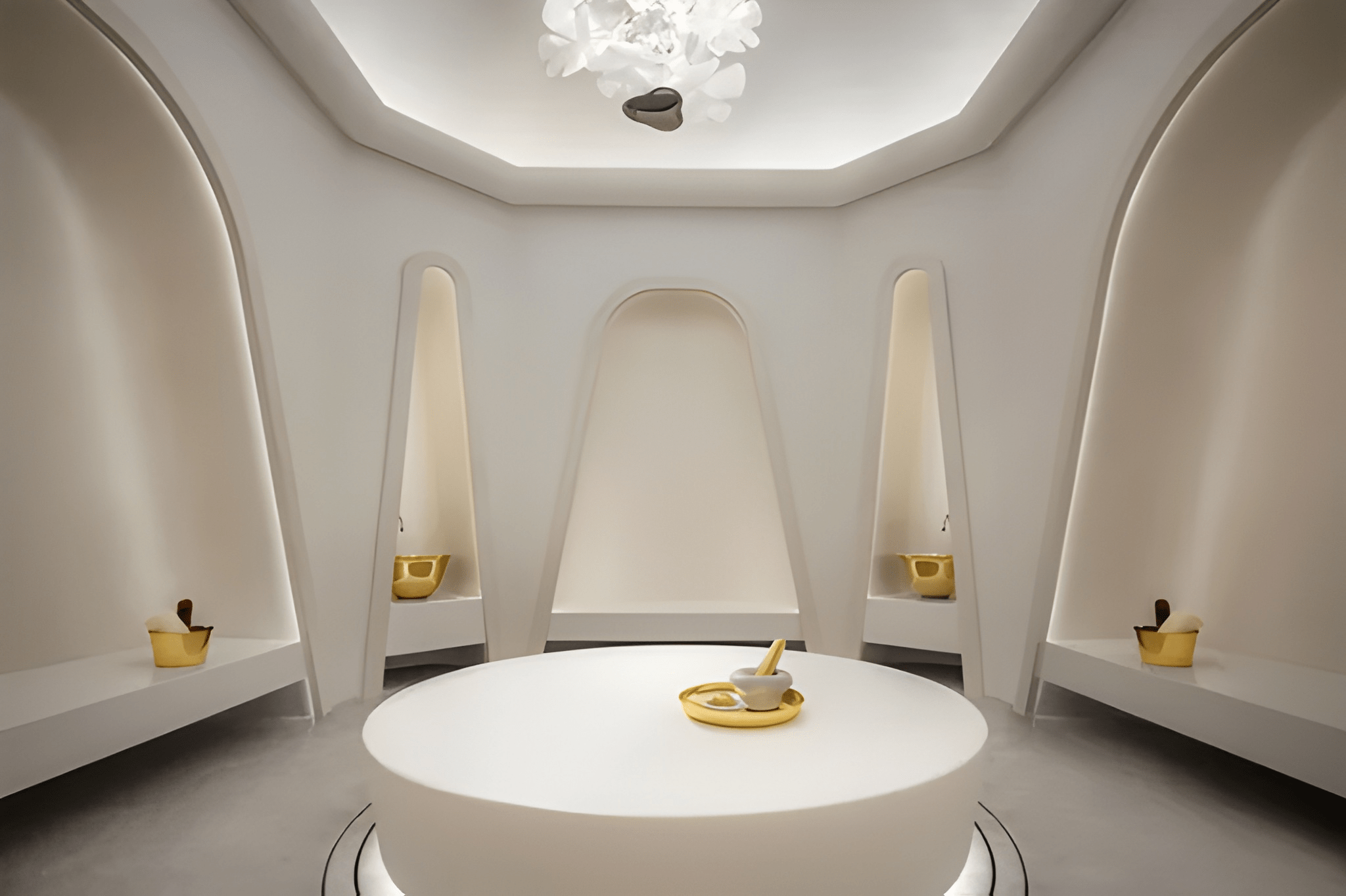
Across cities like Dubai and Riyadh, a quiet shift is taking place in how people approach fitness. The focus is no longer only on performance or intensity, but on what happens after. Recovery — once an afterthought — is becoming a central part of the routine.
This change is reflected in the growing presence of recovery studios: spaces designed not for training, but for restoration. Instead of weights and machines, these environments revolve around cold plunges, saunas, and guided recovery protocols that draw from sports science.
A shift beyond workouts
As endurance sports gain popularity across the Gulf — from running clubs to cycling communities — recovery has become essential rather than optional. Athletes and active residents are paying closer attention to how their bodies adapt to stress, seeking structured ways to support that process.
Unlike traditional spas, these studios position themselves closer to performance environments. The treatments are purposeful, often combining cold and heat exposure to create controlled recovery conditions.
Cold immersion enters the mainstream
At the centre of this movement is cold water therapy. Ice baths, once reserved for professional athletes, are now widely accessible. Sessions typically involve short immersions in water between 10°C and 15°C — a controlled exposure designed to challenge the body.
Cold immersion is often associated with reduced muscle soreness and faster short-term recovery after intense activity. For many, it also brings a noticeable mental effect: heightened alertness, clarity, and a shift in mood that extends beyond the physical.
At the same time, it’s not a universal solution. The science around long-term impact is still evolving, and regular use — particularly after strength training — may influence muscle adaptation. As with any intensive practice, it requires awareness and balance.
Heat as the counterbalance
If cold is one side of the equation, heat is the other. Sauna sessions have become an integral part of modern recovery routines, valued for their ability to promote circulation, relaxation, and overall recovery.
Exposure to heat encourages blood flow to the muscles, supporting the body’s natural repair processes. For endurance athletes especially, sauna sessions are often integrated into weekly routines as a way to manage accumulated physical stress.
But as with cold exposure, moderation is key. Heat therapy can be demanding on the body, particularly in already warm climates, making hydration and timing essential.
The rise of contrast therapy
Many recovery studios now combine both elements through contrast therapy — alternating between hot and cold environments. This rhythm of exposure creates a dynamic response in the body, as blood vessels constrict and dilate in sequence.
While research is still developing, this method is widely associated with improved circulation, reduced muscle stiffness, and a deeper sense of physical reset. Beyond the physiological effects, there is also a psychological element — the experience itself becomes part of the appeal.
A new category of wellness
Spaces like Wellnest Dubai, Contrast Wellness and Longevity Hub in the UAE, along with Tonic The Method and Life Lab, reflect how quickly this category is expanding.
These are not simply wellness spaces — they represent a new mindset. One where recovery is no longer secondary, but built into the structure of daily life.
What comes next
The rise of recovery studios signals a broader evolution in wellness culture across the Gulf. As more people adopt active lifestyles, the need for balance becomes more visible.
Cold plunges, saunas, and contrast circuits are no longer niche practices. They are becoming part of a more intentional approach to movement, where performance and recovery exist in equal measure.
And as this shift continues, recovery may well define the next phase of fitness in the region — not as a trend, but as a new standard.
Latest Posts

Princess Deemah bint Mansour bin Saud Al Saud, Weam Al Dakheel and Mashael Al Obaiden come together in Diriyah for a campaign shaped by presence, firsts and fearless ambition.
More than a decade after opening at NYU Abu Dhabi, The Arts Center has grown beyond a performance venue — creating space for artistic discovery, long-term collaboration and a community willing to experience the unfamiliar

Is a media outlet that is part of our agency and provides basic tools for nurturing your business.


