
Art Dubai 2026’s Most Elusive Exhibition Happened Behind a Closed Hotel Door
An unlisted, one-day project by Jumairy transformed a hotel room into a meditation on transience, access, and the invisible rhythms of Dubai

During Art Dubai 2026, one of the most talked-about exhibitions wasn’t listed on the fair map, didn’t have a booth, and left no physical trace after it ended. Titled Nexus, the project was conceived by the elusive Gulf-based artist and curator Jumairy — known for carefully controlling visibility, narrative, and access.
Rather than participating inside the fair, Jumairy staged the exhibition in a nearby hotel room. It existed for just a single day. There were no formal invitations, no signage, and no public location. Access required initiative: visitors had to message the curator or artists directly to receive the room number. From there, the experience became part of the work itself — navigating a hotel lobby, improvising explanations, and finding a way upstairs without guarantees of entry.
This intentional ambiguity was central to Nexus. The exhibition explored the idea of transience — a concept deeply tied to Dubai’s identity as a city defined by movement. People arrive, pass through, settle temporarily, or leave entirely. The hotel room became both a literal and symbolic setting: a space of temporary belonging, suspended between arrival and departure.
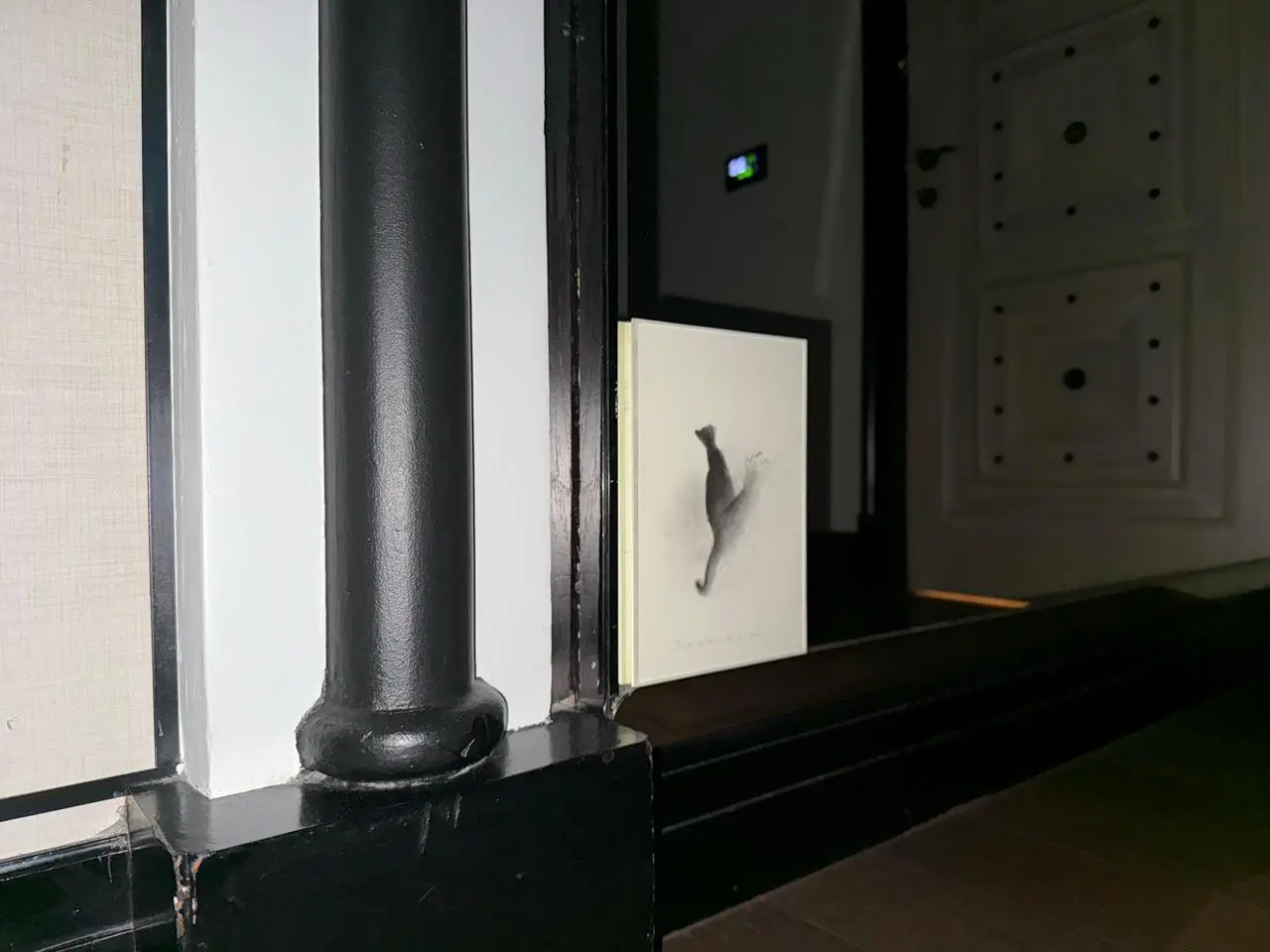
Inside, the works of six artists — Augustine Paredes, Dana Dawud, Khalid Jauffer, Nadine Ghandour, Rashed Qurwash, and Sarah Al Mehairi — unfolded as fragments of this shared condition.
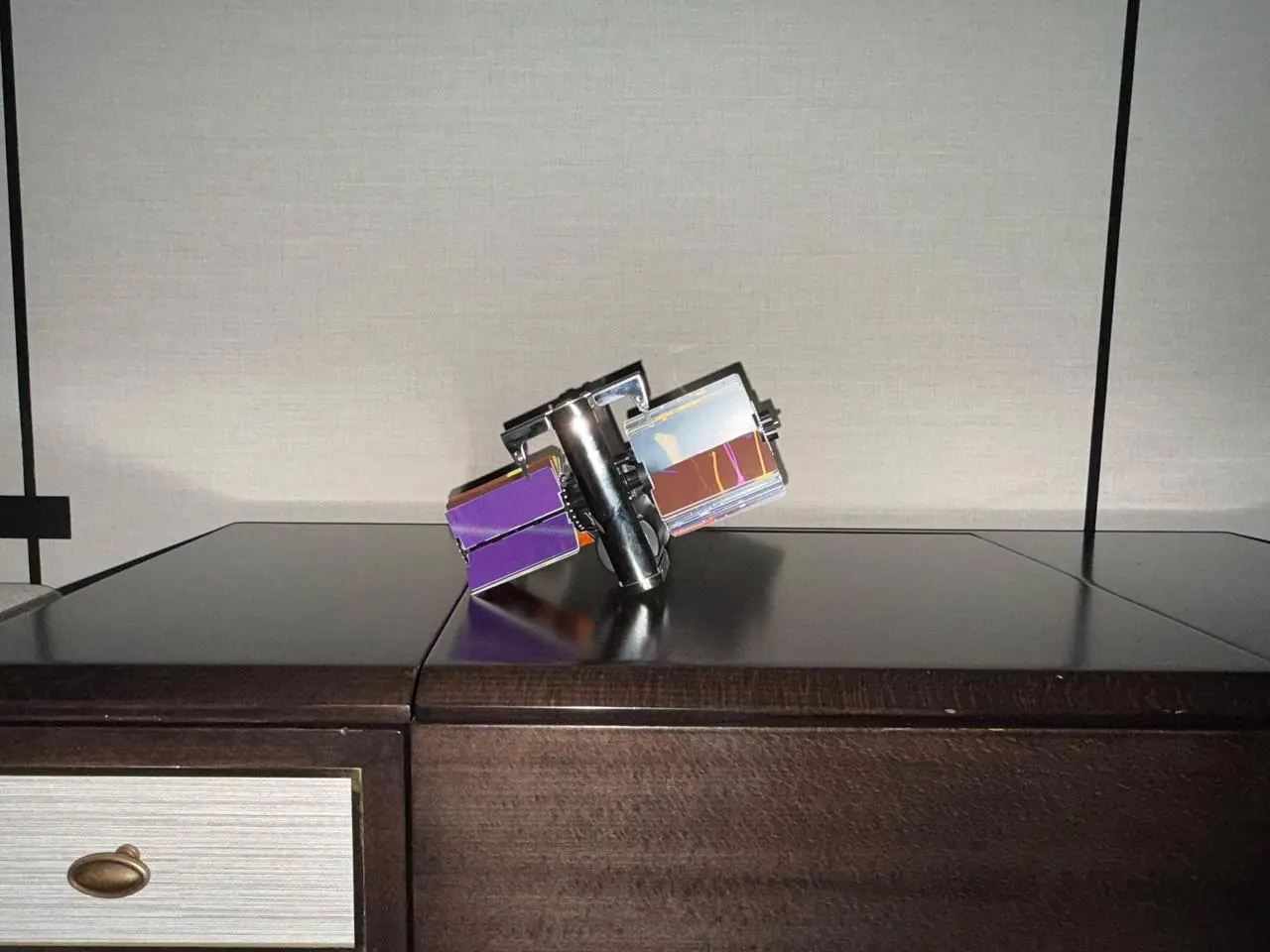
Rather than presenting a unified narrative of the city, the exhibition captured layered experiences of time spent within it:
- Sarah Al Mehairi focused on intimate, everyday movements — quiet observations gathered from walking through her neighborhood.
- Nadine Ghandour introduced a sense of tension with charcoal drawings of towering buildings under construction, reflecting the anxiety of speed, scale, and constant urban expansion.
- Augustine Paredes presented a photographic work printed on fabric and placed directly on the bed — depicting a figure in a fetal position, suggesting vulnerability, rest, or emotional reset.
- Dana Dawud contributed a video piece centered on themes of loss and displacement, hinting at the emotional forces that bring people to cities like Dubai.
- Rashed Qurwash explored time itself through a visual system of captured moments — fragments of dust and light marking the passage of hours.
- Khalid Jauffer added a subtle, almost playful layer with illustrations of cats, representing overlooked inhabitants of the urban environment, integrated directly into the room’s furniture.
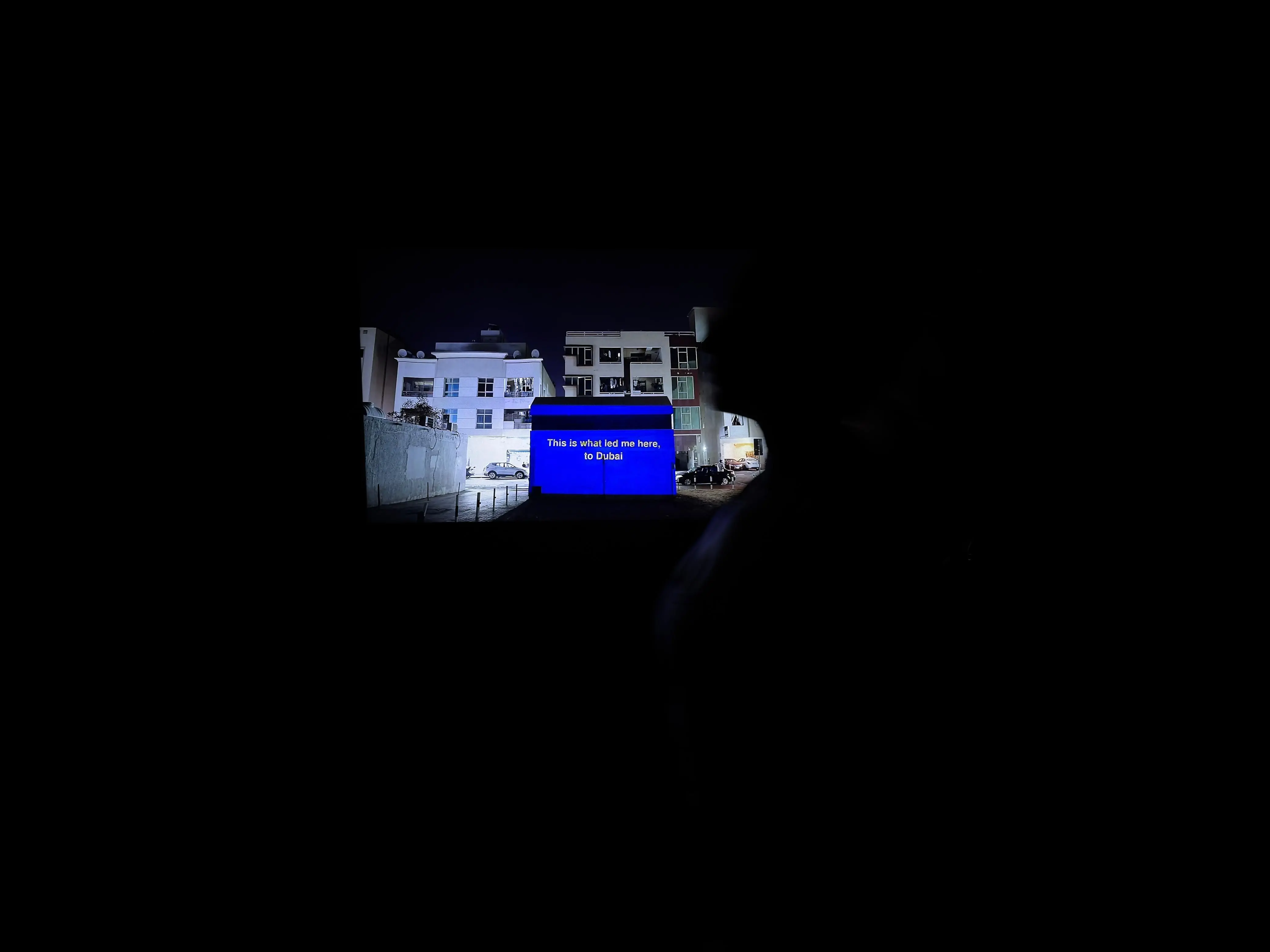
The title Nexus points to connection — a meeting point where paths intersect, even briefly. In this context, the exhibition became less about physical artworks and more about convergence: of people, timelines, and experiences.
By removing traditional structures — public access, institutional framing, permanence — Jumairy shifted the focus from spectacle to encounter. Nexus wasn’t just something to see; it was something to find, navigate, and momentarily belong to.
In a city that thrives on visibility and scale, this quiet, hidden intervention became one of the most memorable gestures of the week — precisely because it chose to disappear.
Latest Posts

Princess Deemah bint Mansour bin Saud Al Saud, Weam Al Dakheel and Mashael Al Obaiden come together in Diriyah for a campaign shaped by presence, firsts and fearless ambition.
More than a decade after opening at NYU Abu Dhabi, The Arts Center has grown beyond a performance venue — creating space for artistic discovery, long-term collaboration and a community willing to experience the unfamiliar

Is a media outlet that is part of our agency and provides basic tools for nurturing your business.


