
Inside Art Dubai 2026: A First Look Before the Doors Open
From quiet pre-opening moments to large-scale installations — stepping inside Art Dubai before the city does.
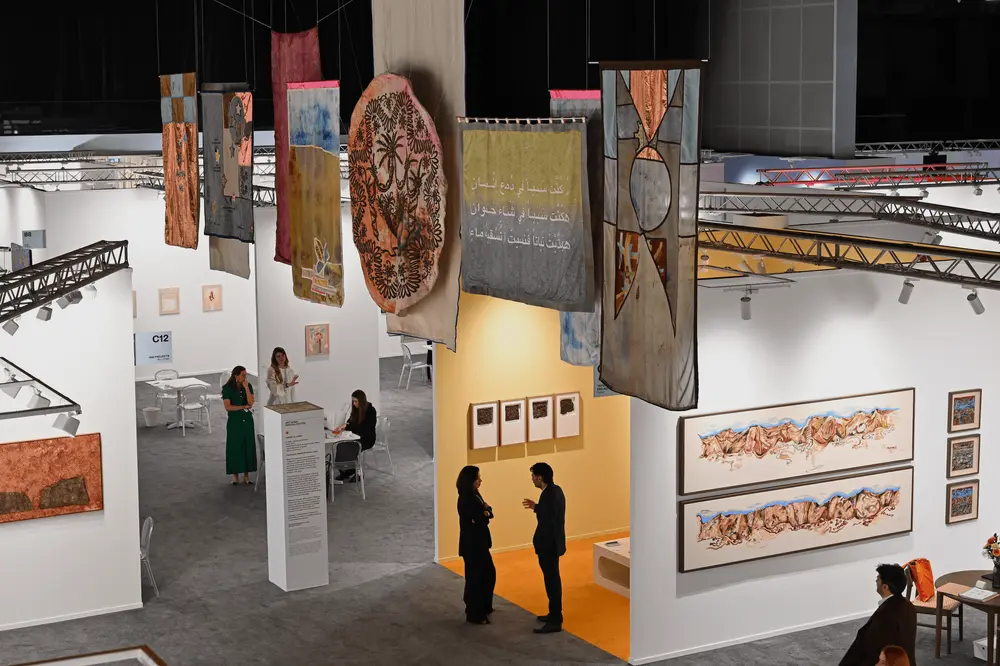
There is a particular kind of energy that exists just before a major cultural event officially begins — quieter, more focused, almost intimate. On May 14, one day ahead of the public opening, we stepped inside Art Dubai 2026 at Madinat Jumeirahto experience exactly that moment.
This year marks the fair’s 20th edition — a milestone that feels less like a retrospective and more like a confident step forward. As always, Art Dubai brings together galleries from across the world, spanning contemporary, modern, and digital practices. But beyond the structure, what defines it is something less tangible: a shared space where collectors, curators, artists, and curious visitors move through the same environment — each interpreting it differently.
Rather than a strict “what to see” guide, this is a curated walkthrough — a perspective on what stood out, what lingered, and what quietly deserves attention.
Navigating the Fair
The fair is structured in a way that allows both exploration and disorientation — in the best possible sense.
Hall 1 remains the core of the experience: a dense mix of international and regional galleries, where large-scale installations sit alongside intimate works across multiple mediums.
Hall 2 offers a different rhythm, housing curated programmes and institutional collaborations — including film, research-driven exhibitions, and experimental formats.
Beyond the halls, a series of special projects and foundation-led exhibitions are spread across the space, rewarding those who take the time to wander.
Gallery Highlights
Efie Gallery
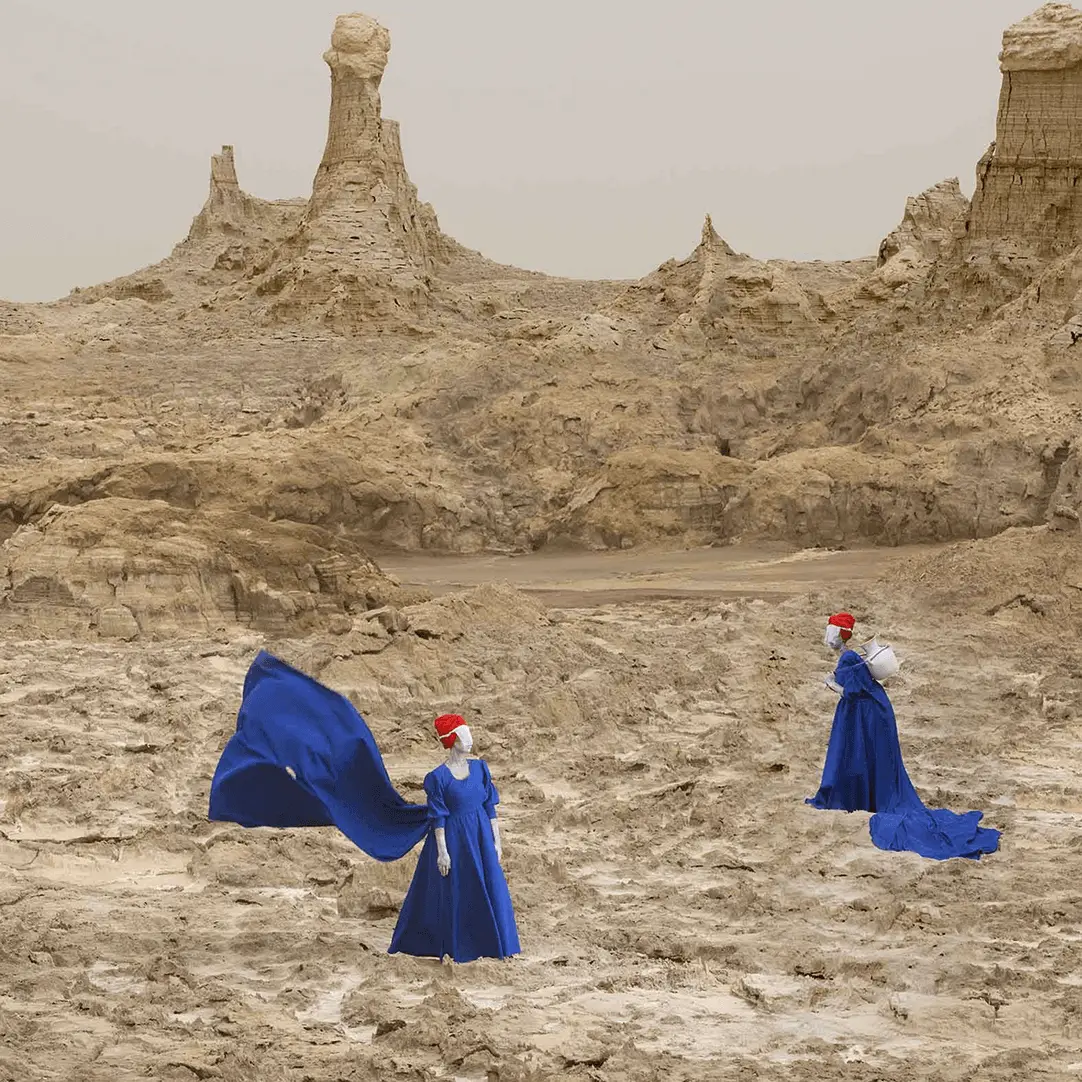
Efie Gallery delivers one of the most visually commanding presentations this year — not just through individual works, but through scale and contrast.
From the striking photographic language of Aïda Muluneh and identity-driven self-portraits of Samuel Fosso, to the material experimentation of Yaw Owusu, whose works transform discarded coins into sculptural surfaces, the booth moves between narratives of identity, economy, and history.
The monumental textile installation by Abdoulaye Konaté anchors the space — somewhere between artwork and architecture, absorbing attention before analysis even begins.
NIKA Project Space
Dubai-based NIKA Project Space takes a more introspective approach.
The works of Ali Kaeini stand out for their layered compositions — built through fabric, dye, and paint — quietly exploring memory and identity. These are pieces that reveal themselves slowly, rewarding time and attention.
Alongside him, the gallery presents Adel Abidin and Katya Muromtseva, whose works shift the focus toward personal narratives and emotional language.

Gallery Isabelle
At Gallery Isabelle, the dialogue moves between generations and disciplines.
Hassan Sharif remains central — his use of everyday materials continues to challenge ideas of value and consumption in a rapidly developing region.
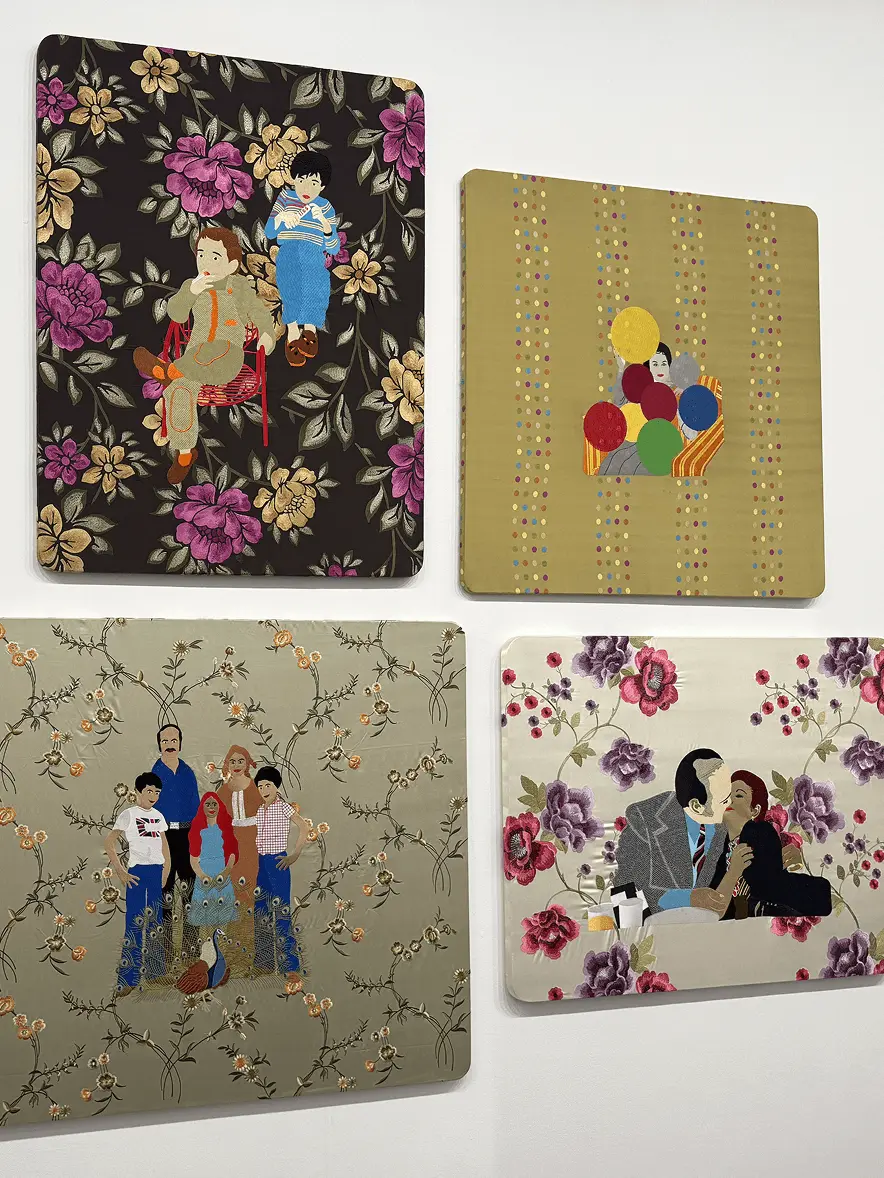
The emotional weight of the booth, however, comes through Raed Yassin. His embroidered reinterpretations of personal photographs transform memory into something tactile and intimate — softening time rather than preserving it.
Aisha Alabbar Gallery
Aisha Alabbar Gallery continues its focus on Emirati voices, presenting a strong lineup of female artists.
From the geometric precision of Layla Juma to the legacy of Najat Makki, the booth reflects both evolution and continuity within the UAE’s art scene.
The sculptural works of Armin Najib introduce a contrasting materiality — metallic, experimental, and slightly futuristic.

Artists to Watch
Dima Srouji
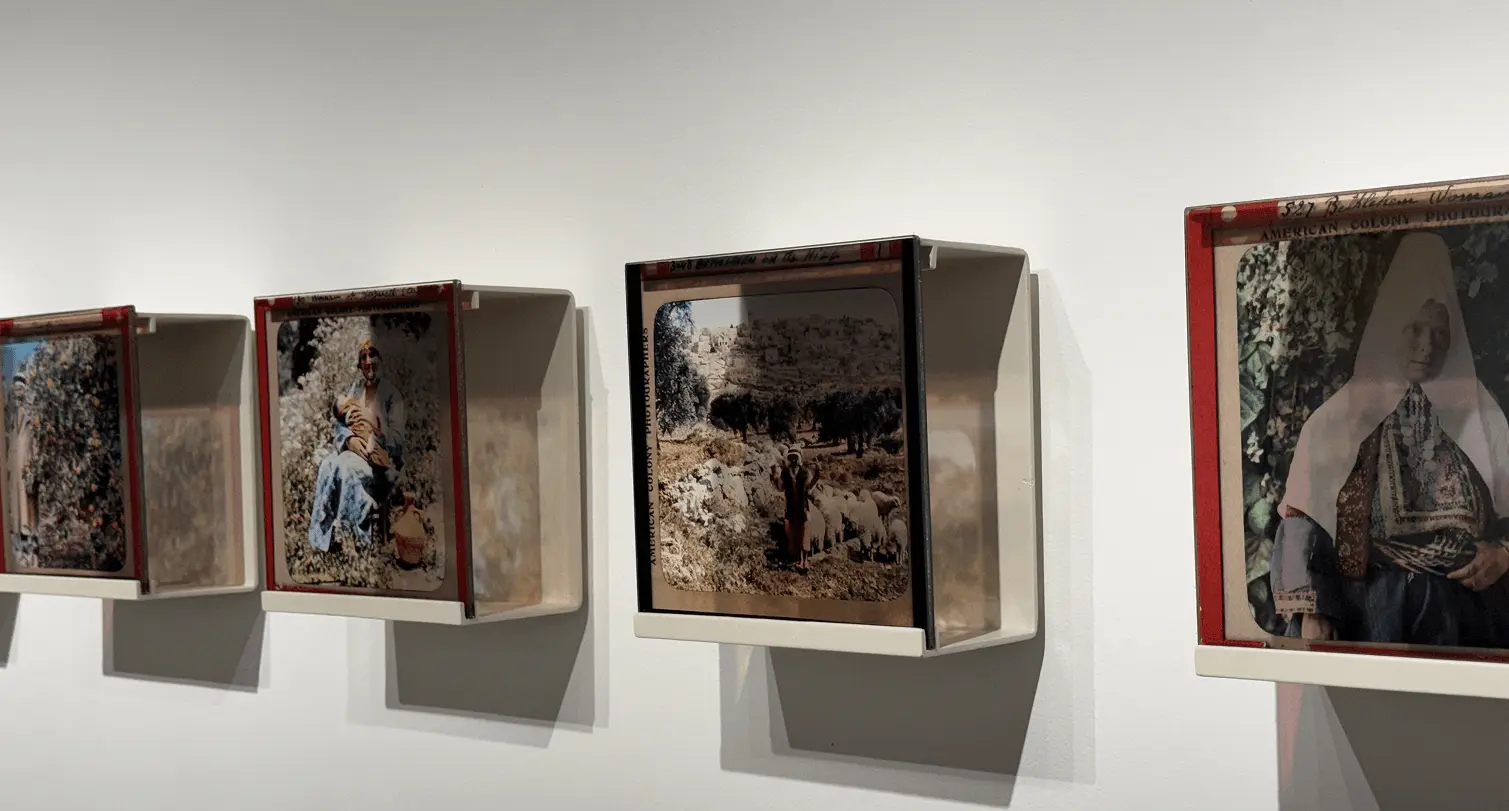
Represented by Ab-Anbar Gallery, Dima Srouji approaches art as both research and reconstruction.
Her work, centred around the archaeological site of Sebastia, uses archival imagery placed within glass and steel structures. The result feels suspended between history and personal narrative — raising questions about ownership, memory, and displacement.
Kevork Mourad
One of the most compelling discoveries this year is Kevork Mourad.
Working across drawing, fabric, and cut-out techniques, Mourad creates layered visual spaces that reflect movement between cultures and identities. His works feel less like static pieces and more like environments — open, fluid, and deeply personal.

Lana Khayat
Lana Khayat presents a new body of work created specifically for this edition.
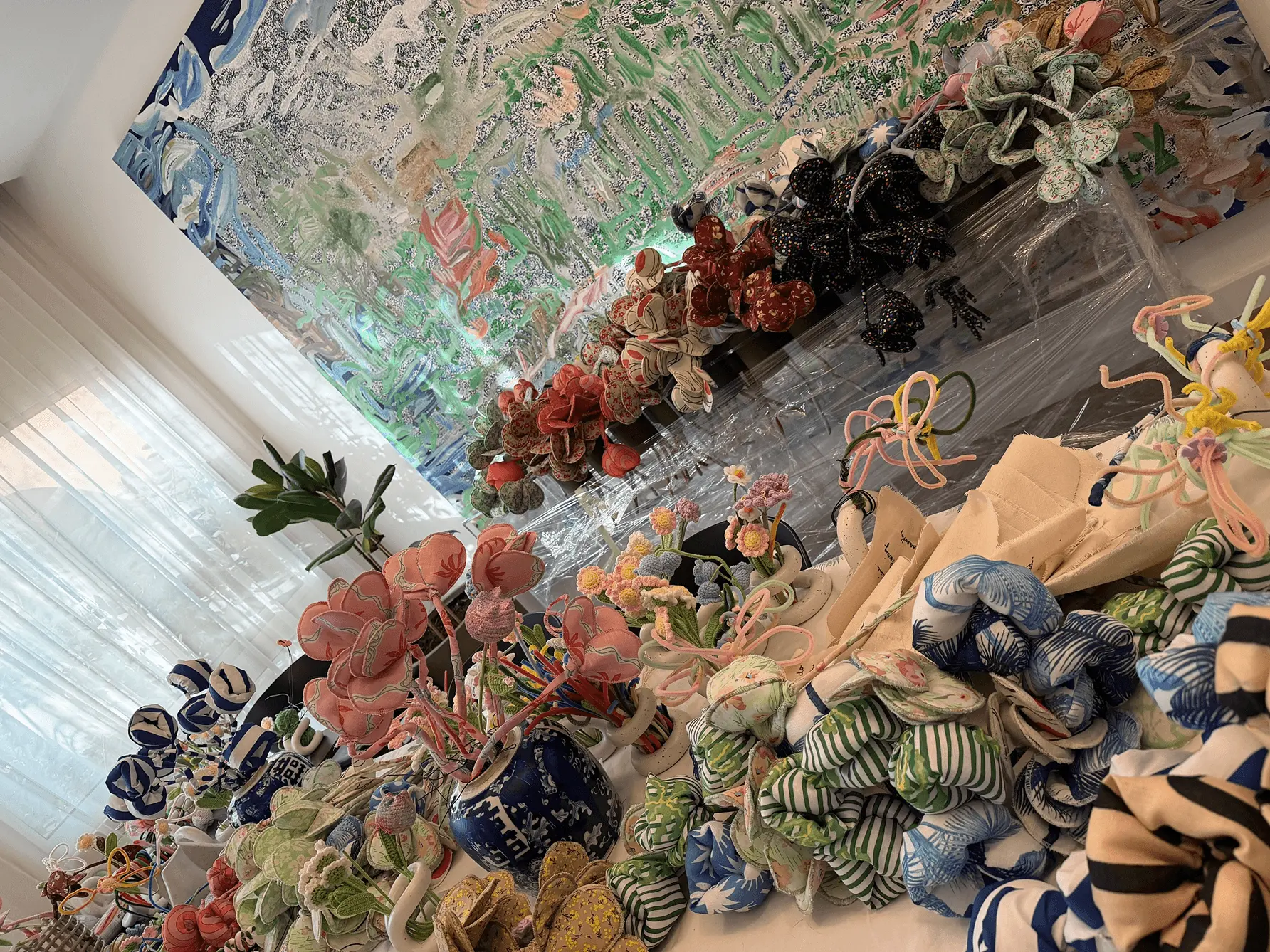
The highlight is My Gift to the City — an installation of 1,000 handmade flowers, each carefully constructed through stitching and textile layering. It feels both personal and symbolic — a gesture directed at Dubai itself.
Beyond the Galleries
Several institutional projects expand the experience beyond traditional booths:
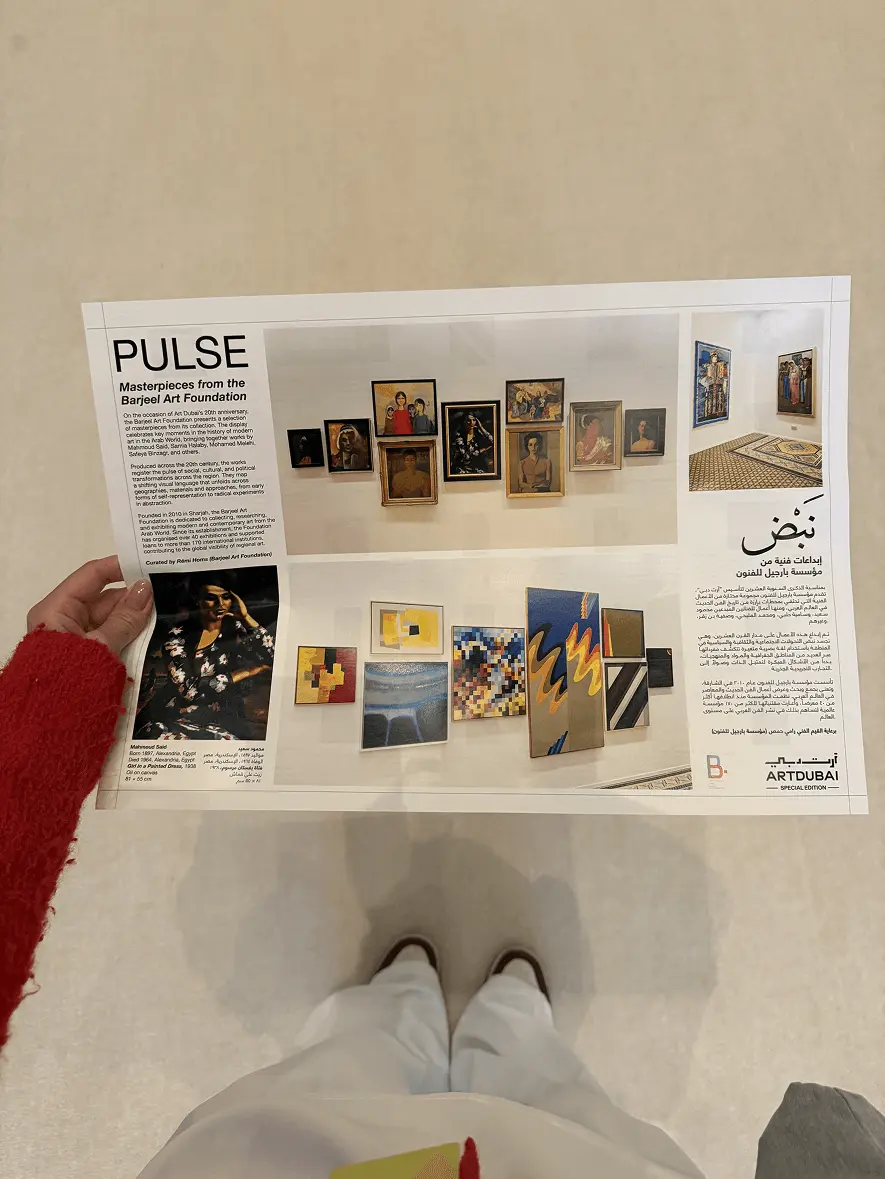
- Barjeel Art Foundation presents Pulse, reflecting key artistic movements across the Arab world
- Made Forward showcases works from the Dubai Collection — including pieces from major private collections
- The Ministry of Culture explores material transformation through contemporary Emirati artists
- The Moving Image Programme, in collaboration with Alserkal Avenue, offers a slower, more reflective viewing experience through film and video art
Final Thoughts
Art Dubai has never been about having all the answers — and this year makes that especially clear.
It is a space where you can feel both inspired and slightly lost at the same time. Where conversations matter just as much as the works themselves. Where you don’t need to be an expert — only curious enough to stop, look a little longer, and ask questions.
And maybe that is exactly the point.
Latest Posts

Princess Deemah bint Mansour bin Saud Al Saud, Weam Al Dakheel and Mashael Al Obaiden come together in Diriyah for a campaign shaped by presence, firsts and fearless ambition.
More than a decade after opening at NYU Abu Dhabi, The Arts Center has grown beyond a performance venue — creating space for artistic discovery, long-term collaboration and a community willing to experience the unfamiliar

Is a media outlet that is part of our agency and provides basic tools for nurturing your business.


