
Nada Debs Opens in Alserkal Avenue: A New Chapter Rooted in Craft and Culture
A dialogue between Japanese minimalism and Arab heritage, the designer’s first Dubai flagship bridges tradition and modern life through a multi-generational lens.
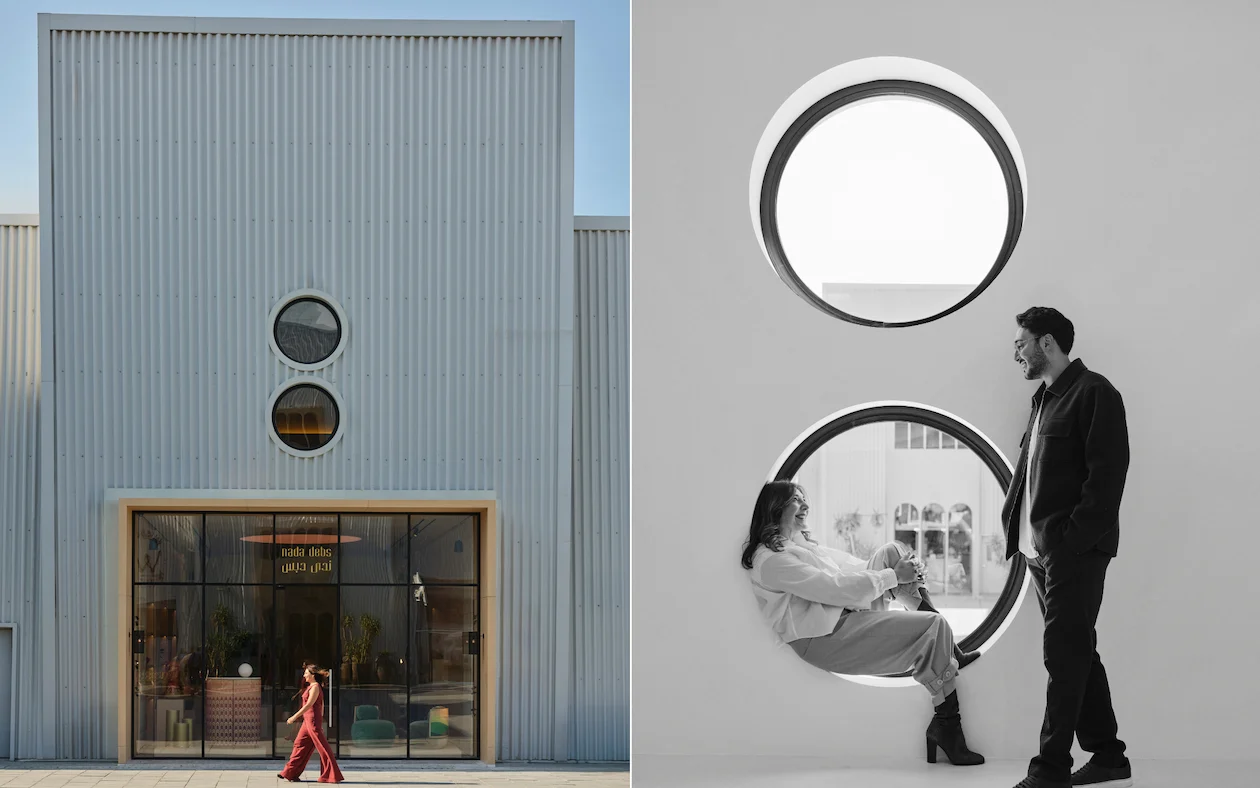
Dubai’s design scene continues to evolve with the opening of Lebanese designer Nada Debs’s first standalone store at Alserkal Avenue — a space that reflects not just her work, but the layered story behind it.
For Debs, building a brand was never the original intention. Her journey unfolded organically, shaped by a multicultural background and a deep appreciation for craftsmanship. Having grown up in Japan and later studying interior architecture at Rhode Island School of Design, she was exposed early on to a refined understanding of material, precision, and form.
It was in Japan that craftsmanship revealed itself to her as something elevated — almost philosophical. Later, in Damascus, she encountered a different kind of beauty: intricate, deeply rooted in Arab heritage, yet often disconnected from contemporary living. This contrast became a turning point. Rather than replicate tradition, Debs began to reinterpret it — simplifying, refining, and translating it into a more modern, livable language.
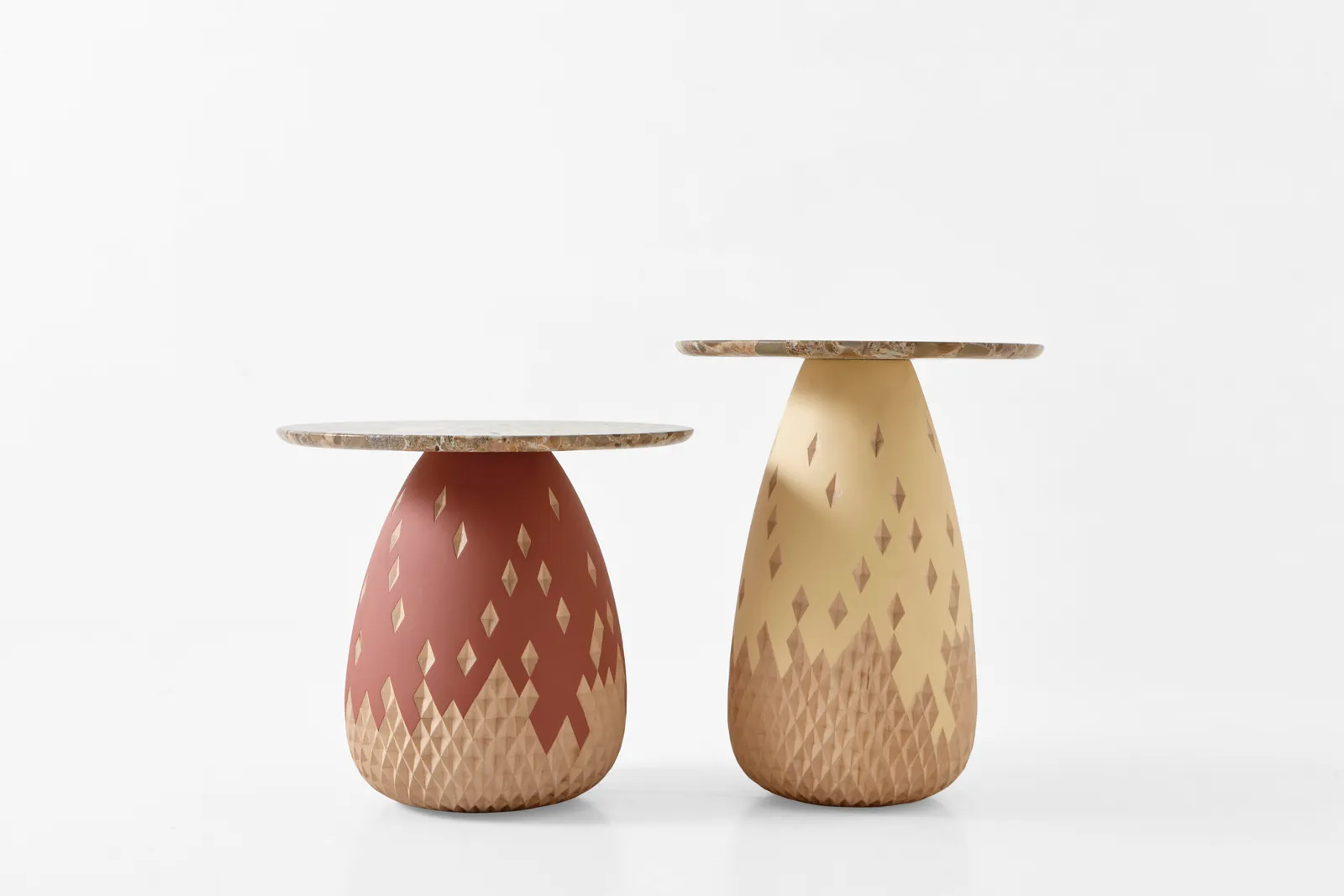
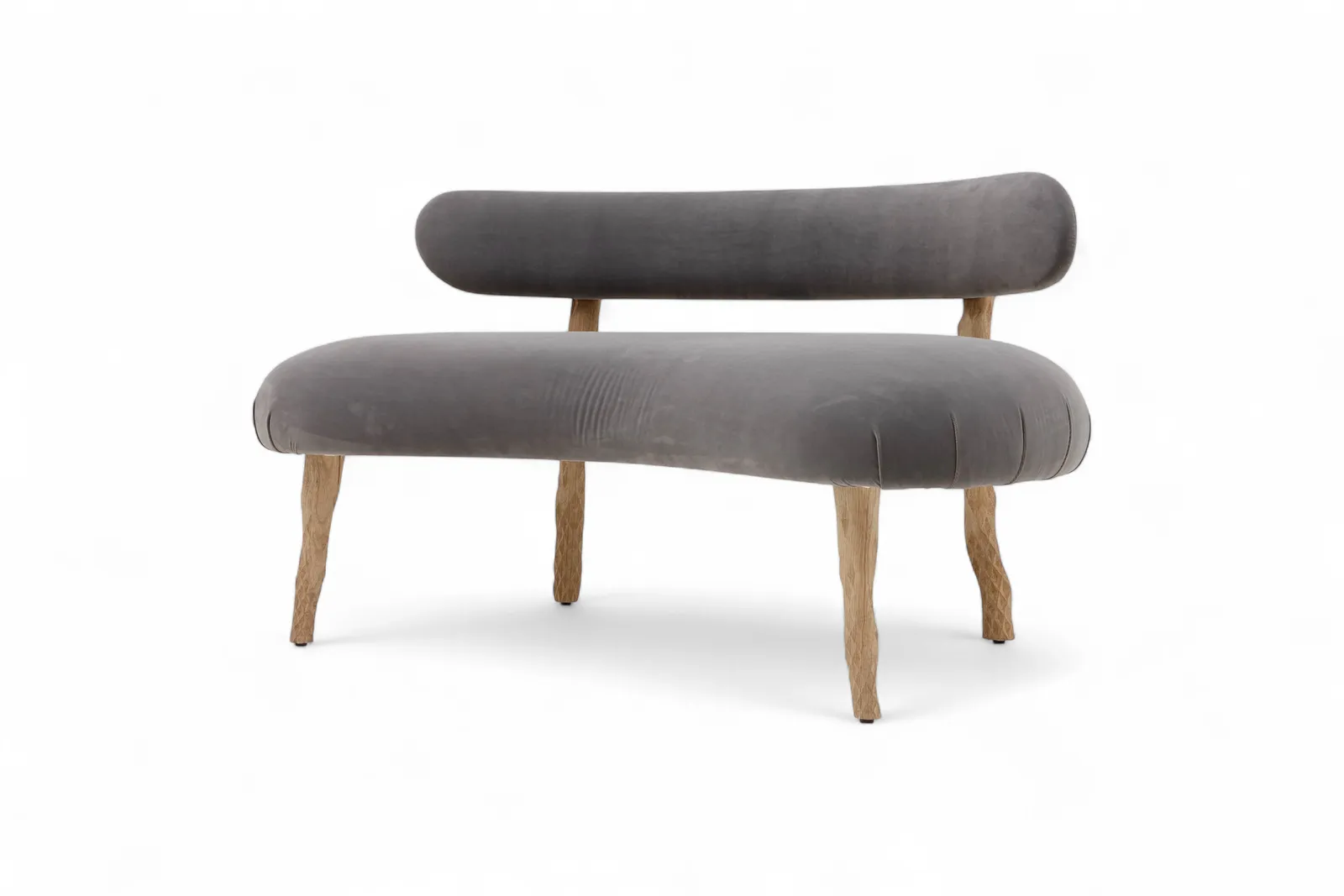
Today, her work moves between sculptural furniture, mother-of-pearl inlay, and statement lighting — each piece carrying a narrative. For Debs, design is never purely aesthetic; meaning is embedded in every form, whether immediately felt or gradually understood.
The decision to open in Dubai came at a time of uncertainty in Beirut, prompting a shift not only geographically but also generationally. The expansion was led in part by her son, Tamer, marking a new phase for the brand. What began as a personal creative journey is now evolving into something larger — a shared vision with global ambitions.
The Dubai store itself reflects this transition. Set within a long, industrial space, the interior was carefully reimagined to feel intimate rather than imposing. Debs introduced a wooden structure within the space — lowering the scale and creating a sense of warmth and enclosure, almost like a protective core. Above it, a more open, raw environment houses a gallery and studio, embracing height and contrast.
_Z%CC%8Ciga%20Mihelc%CC%8Cic%CC%8C.jpg.webp)
This interplay of opposites defines the space as much as it defines the brand. Arab craftsmanship meets Japanese minimalism. Tradition meets modernity. A Beirut heritage is translated into a contemporary Dubai context — all expressed through a dialogue between generations.
At the opening, Debs also introduced the Palma collection, inspired by the presence and symbolism of the palm tree, as well as the tactile richness of hand-carved surfaces. The collection reflects another important layer of her thinking: the culture of gifting, deeply embedded in the region.
More than a retail space, the new store is conceived as a place of connection. Debs envisions it as welcoming rather than exclusive — a space where visitors can engage with design in a personal way.
Because ultimately, her work is not just about objects. It is about identity, memory, and the quiet pride of carrying culture forward in a contemporary form.
Latest Posts

Princess Deemah bint Mansour bin Saud Al Saud, Weam Al Dakheel and Mashael Al Obaiden come together in Diriyah for a campaign shaped by presence, firsts and fearless ambition.
More than a decade after opening at NYU Abu Dhabi, The Arts Center has grown beyond a performance venue — creating space for artistic discovery, long-term collaboration and a community willing to experience the unfamiliar

Is a media outlet that is part of our agency and provides basic tools for nurturing your business.


