
How the 2026 World Cup Could Redefine Arab Fashion
The next chapter of stadium style will be written between Riyadh, Doha, and North America.
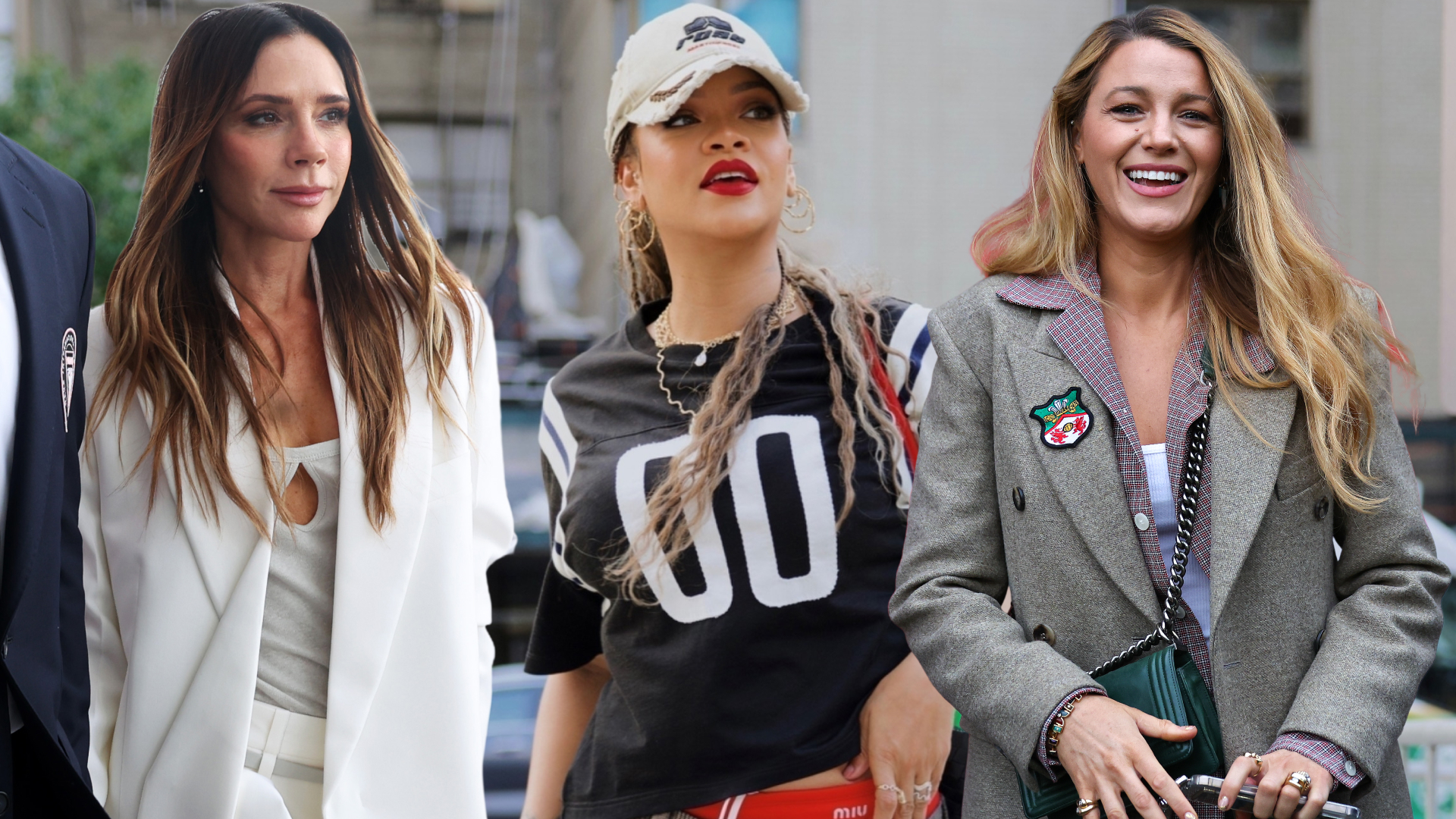
Football has always been about more than what happens on the pitch. Increasingly, the real spectacle unfolds in the stands, where fashion, identity, and culture meet under the same spotlight. As the 2026 FIFA World Cup heads to North America, Arab women are poised to play a defining role in shaping what global stadium style looks like next.
Picture a woman seated quietly in a packed stadium. She wears a flowing ivory abaya, understated jewelry, and sleek sunglasses despite the indoor lighting. There’s no oversized team jersey, no face paint, no attempt to blend into traditional fan culture. Yet somehow, she becomes one of the most photographed people in the arena. Before the final whistle, her image is circulating across fashion accounts and social media feeds. In today’s sports culture, the stands have become a runway.
For decades, women at football matches were often framed through a narrow lens. Media coverage focused on partners of athletes, reducing their presence to supporting characters in someone else's story. Stadium fashion was expected to signal loyalty first and individuality second.
That formula no longer applies.
Over the last several years, sporting events have evolved into some of fashion’s most visible stages. The arrival walk from car to stadium entrance now receives the same attention once reserved for Fashion Week venues. Photographers track athletes, celebrities, creators, and style figures long before kickoff. The audience itself has become part of the event.
The 2022 World Cup in Qatar marked a significant turning point. For the first time, international broadcasts consistently showcased Arab women not as cultural curiosities but as style leaders in their own environment. Across stadiums, fan zones, and hospitality spaces, women from the Gulf, the Levant, and North Africa presented a contemporary vision of regional fashion that felt confident, modern, and entirely self-defined.
Designers from across the Middle East became part of the visual language of the tournament. Structured tailoring, elevated abayas, refined eveningwear, and contemporary accessories appeared naturally within the sporting landscape. The result was not costume or tradition presented for outsiders' approval, but fashion worn on its own terms.
A new stadium wardrobe emerged from this moment.
One version prioritizes movement and practicality without sacrificing sophistication: fluid jumpsuits, tailored separates, comfortable footwear, and versatile bags designed for a full day of matches, travel, and social gatherings.
Another embraces visibility. These are the looks created for the camera's unexpected glance: sculptural silhouettes, statement sleeves, monochromatic palettes, and accessories that stand out under stadium lighting. Even the football jersey itself has been reimagined, layered over slip dresses, styled with luxury pieces, or incorporated into outfits as a fashion statement rather than a uniform.
The aesthetic feels distinctly regional. Soft desert tones, tonal dressing, architectural cuts, and understated luxury dominate. It is a style vocabulary increasingly authored by Arab women and recognized far beyond the region.
The 2026 World Cup presents the next chapter.
With matches taking place across the United States, Canada, and Mexico, Arab fans, creators, entrepreneurs, and fashion insiders will enter spaces where Middle Eastern fashion has historically been less visible. Their presence will introduce new narratives about how Arab women participate in global cultural moments—not as guests, but as contributors shaping the conversation.
Fashion brands are already paying attention. Special collections, event activations, influencer partnerships, and tournament-focused campaigns are beginning to take shape. The industry understands that football audiences are no longer separate from fashion audiences.
There is also a larger horizon in view. As preparations continue for Saudi Arabia’s hosting of the 2034 World Cup, the years between now and then will serve as a testing ground for new ideas around style, representation, and cultural influence.
The woman who sat quietly in Qatar may soon be photographed in New York, Toronto, Dallas, Los Angeles, or Mexico City. Her wardrobe may evolve, but the message remains the same. She is not dressing for attention. She is dressing with intention.
And as cameras continue to capture these moments, Arab fashion will increasingly move from being observed to being referenced, influencing how global stadium culture looks for years to come.
Latest Posts

From a botanical drinks lab to a London dining heavyweight and a sky-high Asian destination, Dubai’s September openings are worth making plans for
Inner Armor Is Here: Meet Sanaa Ouahmane at a Special Book Signing on September 18

Is a media outlet that is part of our agency and provides basic tools for nurturing your business.


