
Arts of Central Asia is a Hidden Gem of the Global Art Market”
Interview with Natalya Andakulova for BESTIN Magazine — exploring Central Asian art, global collectors, and the growing influence of technology in the art world
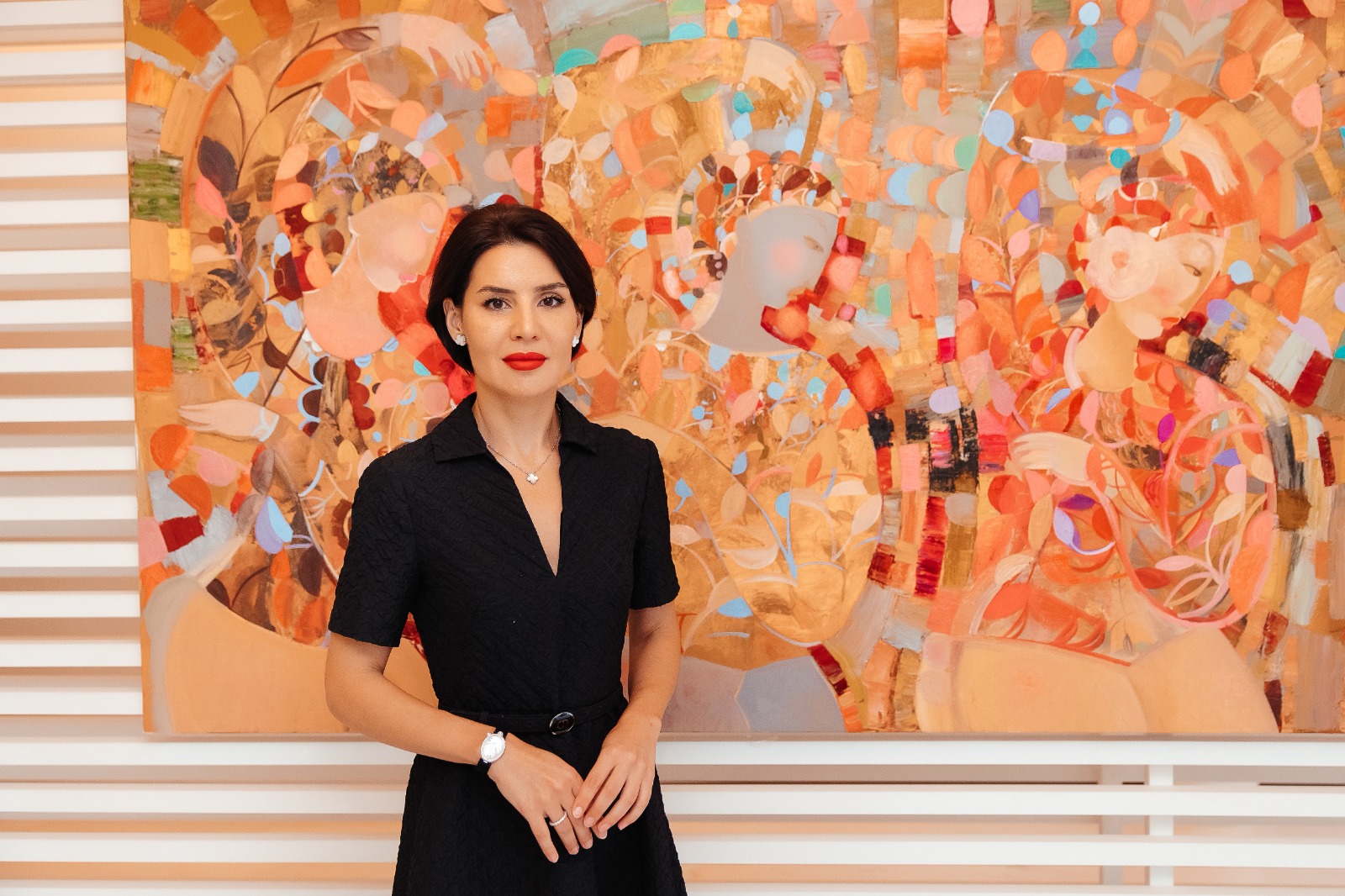
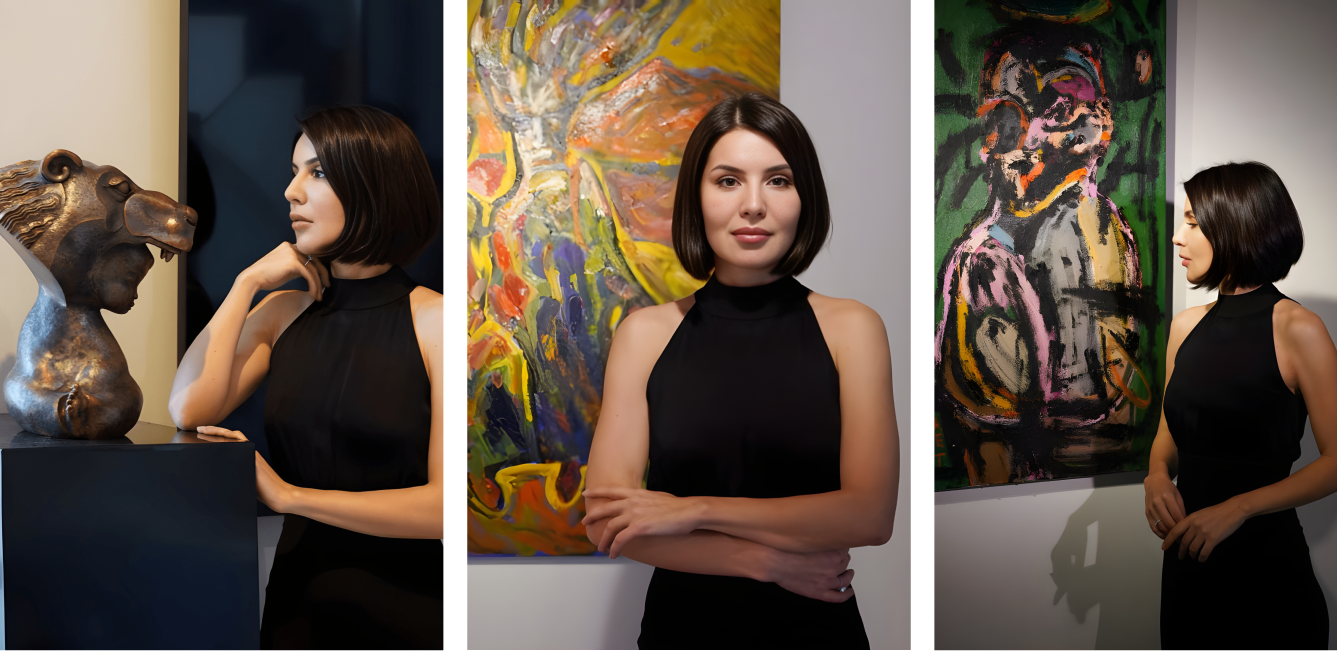
Natalya Andakulova is an art historian, gallery owner, and founder of the Andakulova Gallery in Dubai and Tashkent. She speaks professionally on Central Asian art and is one of the key figures promoting this movement on the international stage. We spoke with her about her career path, the role of technology in art, collectors in the MENA region, and why it is important for young artists not to be afraid of criticism.
“Redefining the Path.”
Interviewer: How did you first realize that you wanted to devote your life to art and culture?
Natalya: I was born in Samarkand, Uzbekistan, a historic city with unique architecture and a rich tradition of applied arts. However, my initial education was in physics and mathematics, and I later earned a master’s degree in computer science.
During my master’s studies, it dawned on me that this path didn’t suit me at all. I began taking classes in painting, then in art history, and gradually realized that I wanted to change my career direction completely.
I later graduated from the Repin Academy as an art historian, studied Art Business & Luxury Goods at Christie’s, and am currently completing a second master’s degree in art history. This decision was intentional, perfectly aligning with my instincts and interests.
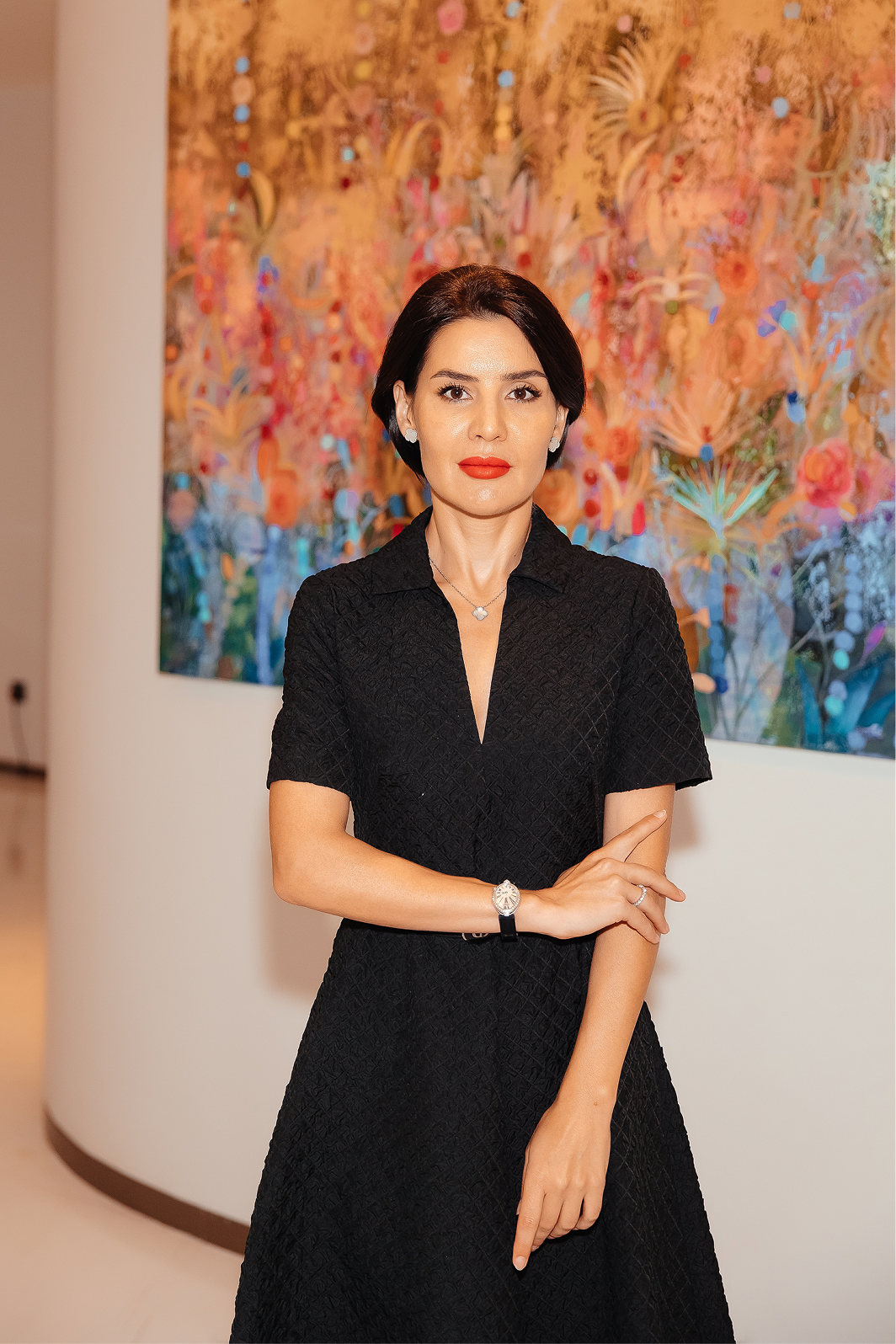
Gallery Establishment That Felt Like an Irresistible Calling
Interviewer: What inspired you to create Andakulova Gallery?
Natalya: The artistic traditions of Central Asia shaped my creative direction. At the time, the region was scarcely represented in the global arena.
Andakulova Gallery was the first to systematically represent artists from Uzbekistan, Kazakhstan, Kyrgyzstan, and Tajikistan on the international art scene. Today, it operates in Dubai and Tashkent (the Tashkent space opened on November 20).
The Central Asian Art’s Importance Across International Contexts
Interviewer: What is its value to an international audience?
Natalya: Central Asia is a vast region with a shared history of Turkestan, a crossroads of civilizations — home to the Greco-Bactrian, Persian, Indian, and Soviet traditions. It’s a symbiosis of the East and the West, with a strong academic foundation (many artists studied at the Saint Petersburg Repin Academy of Arts and the Moscow Surikov State Academic Institute of Fine Arts ) and a unique flair. It isn’t by chance that global connoisseurs refer to the region as a “hidden gem” of the art world.
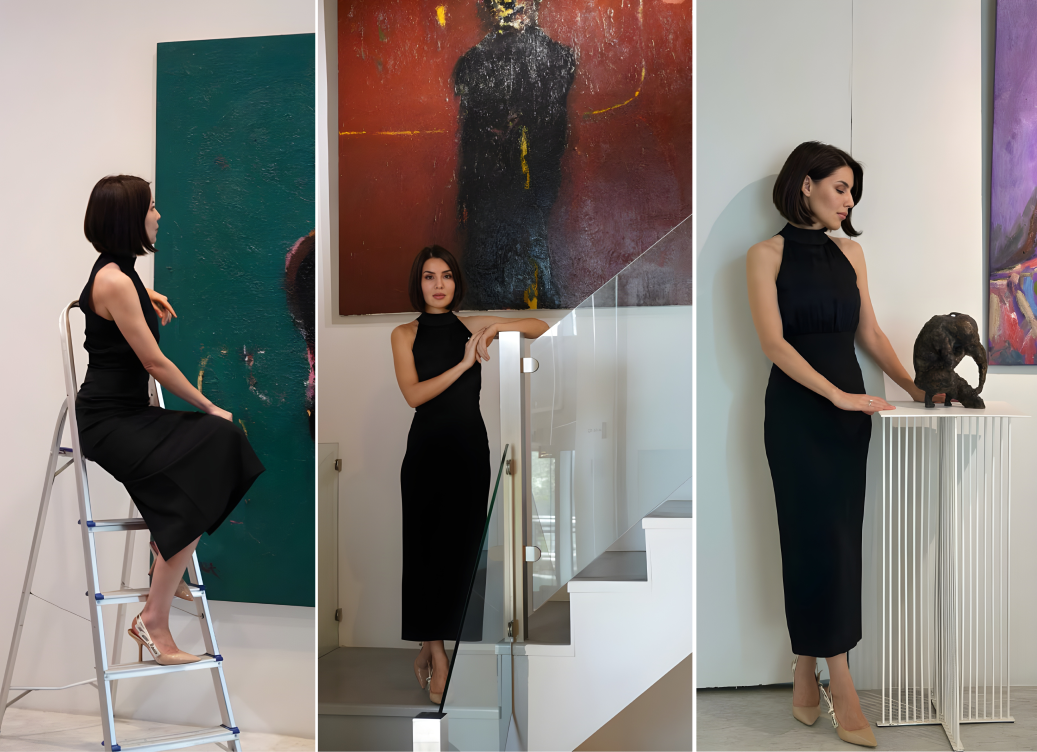
A Blueprint for Professional Growth
Interviewer: What are the gallery’s objectives?
Natalya: Our immediate goal has already been achieved with the opening of our new space in Tashkent. We are now focusing on developing our two art venues in Dubai and Tashkent.
Interviewer: What projects are in the pipeline?
Natalya: In Tashkent, we will open an exhibition entitled “In Honor of Women”, dedicated to International Women’s Day. In Dubai, we are going to hold an exhibition by Andrey Krikis ahead of the Art Dubai Fair 2026.
Methodology Behind the Artist Selection Process
Interviewer: What criteria do you use for artist vetting and acquisition?
Natalya: For over 13 years, our gallery has been working in the Central Asian art world. The main criteria for collaboration with artists include their originating from the region or having a thematic connection to it, corresponding education and professional background, artistic language’s uniqueness, and market demand.
At the same time, every artist’s style is distinctive. Conceptual art is more developed in Kazakhstan, whilst traditional concepts prevail in Uzbekistan and are characterized by intricate detail and vivid colors.
Modern Technology, NFTs, and Artificial Intelligence
Interviewer: What are your thoughts on the popularity of digital platforms in the art industry?
Natalya: We’ve been actively utilizing NFTs since the Covid outbreak. This way, our gallery has sold works by Almagul Menlibayeva on OpenSea and taken part in Art Dubai events.
Artificial intelligence in art is no longer the future — it’s our reality. I incorporate AI-driven techniques into my teaching methodology and believe that contemporary artists need to understand how neural networks and algorithms work.
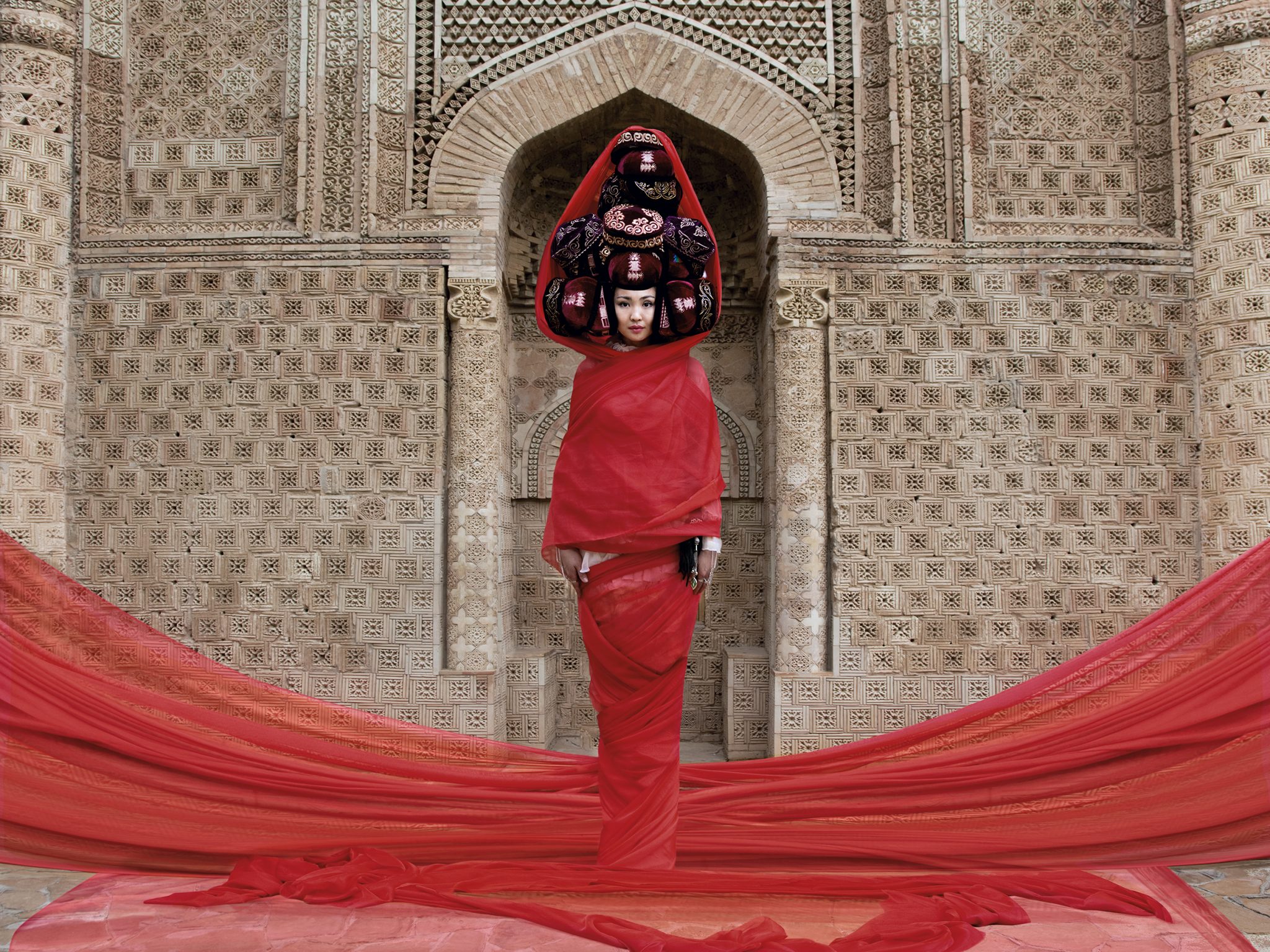
*Almagul Menlibayeva is a multimedia artist based in Kazakhstan and Germany. Her work comprises photography, multi-channel video, and mixed-media installations that engage with social and ecological issues in Central Asia.
Dubai as an Art Platform
Interviewer: Are there any challenges to working in the MENA region?
Natalya: Not at all. On the contrary, it offers several professional advantages in this field. In the UAE, culture-oriented projects are protected and encouraged by the government’s development strategy. Support for galleries, open calls, and Golden Visa programs for talented individuals — all of this creates a favorable and nurturing environment for artists. Furthermore, Christie’s and Sotheby’s, world-renowned fine art auction houses, play a major role in the sustainable growth of the local art market. Museums, such as the Louvre Abu Dhabi and the Guggenheim Abu Dhabi, and other institutions are also gaining momentum.
What to Know About Collectors in the Region
Interviewer: Who are patrons of the arts here?
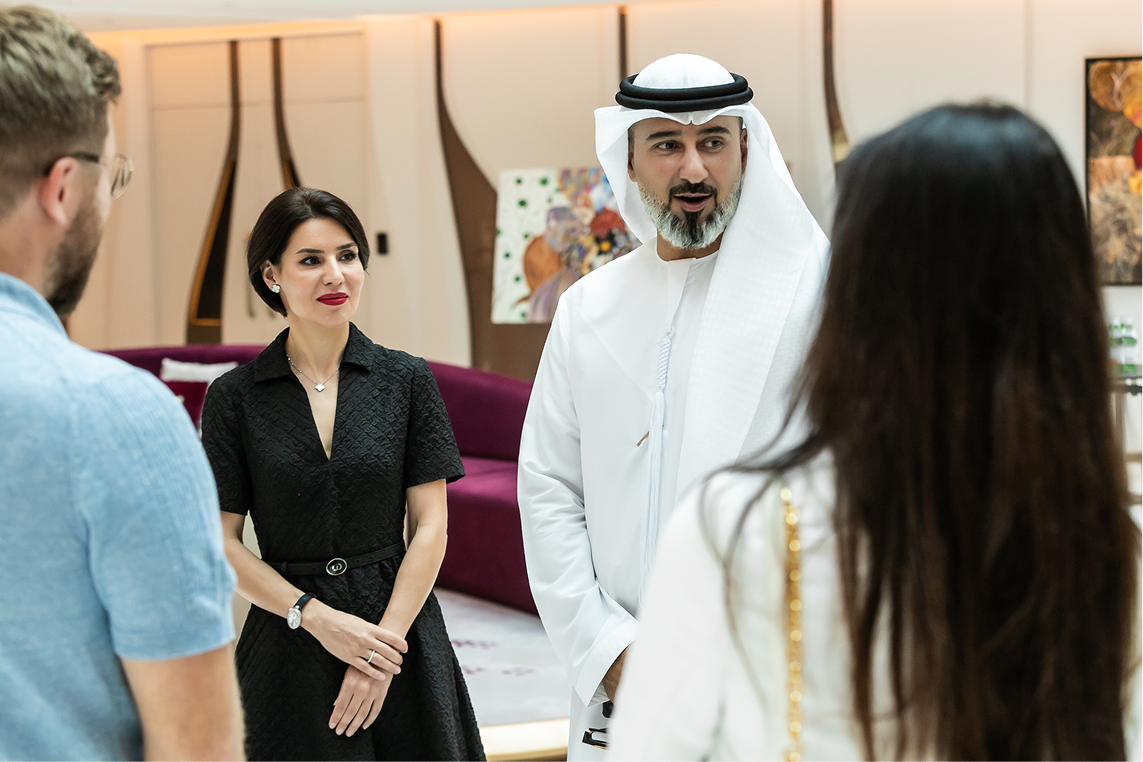
Natalya: In the Mena region, the majority of art collectors are expats. Simply put, it is an international community with diverse tastes and traditions. One interesting trend is that their demographics are rejuvenating. Today, connoisseurs in their 30s are actively buying art pieces. There has also been a noticeable rise in interest in the local market development among Russian-speaking collectors.
Art as an Accessible Investment
Interviewer: What is the most expensive piece you’ve sold so far?
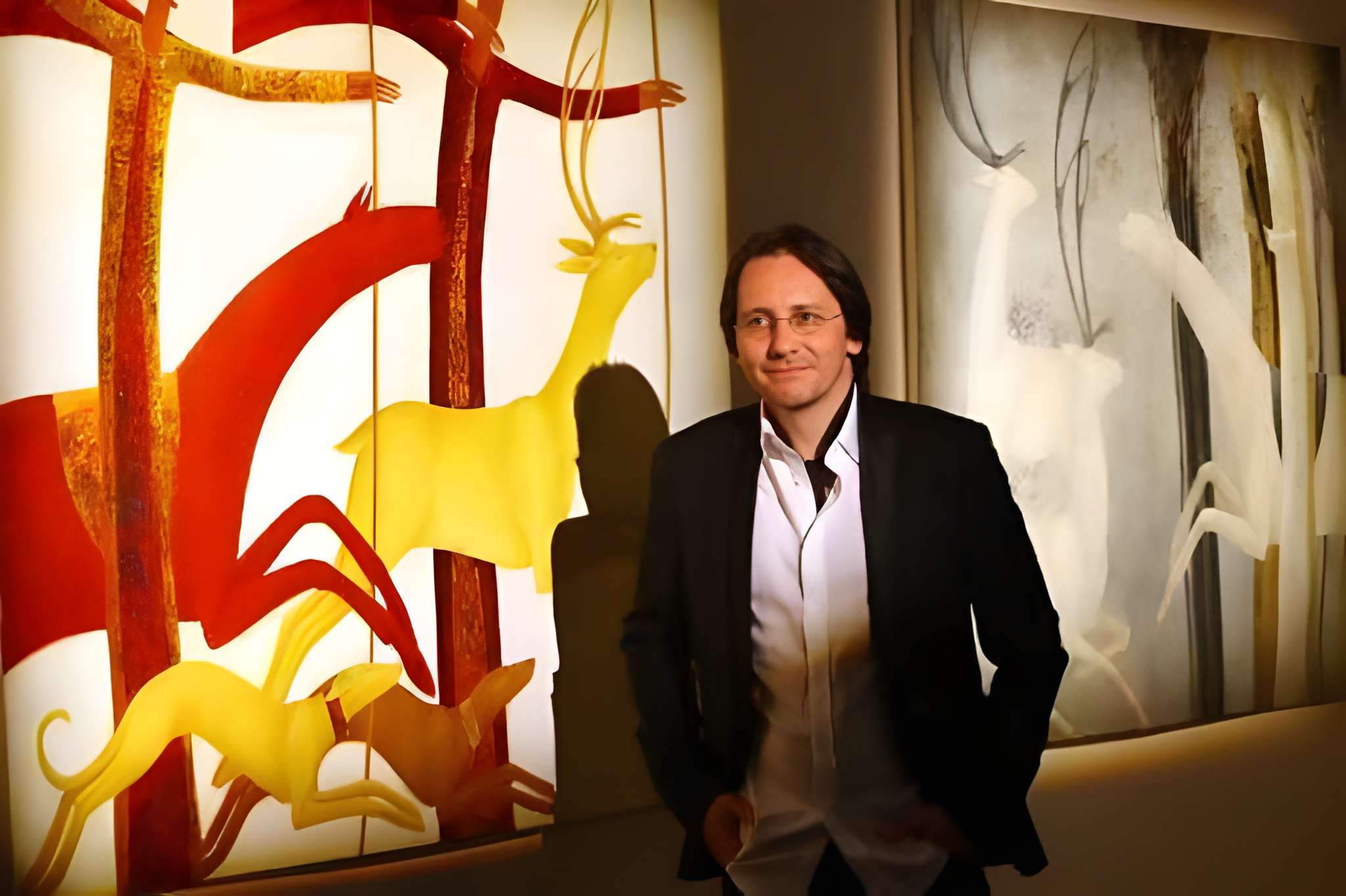
Natalya: At the moment, it’s one by Timur D'Vatz, for $25,000. Nonetheless, we position ourselves as a gallery of accessible art. The average purchase is around $5,000. Our philosophy lies not in overpricing available works but in giving collectors the opportunity to benefit from the expected value increase of the piece over the next 5-10 years. Graphic art prints’ prices, for example, start at $100.
The Future of the Art Market
Interviewer: What can we expect from the art market in the long run?
Natalya: In 5-10 years’ time, this market will surely become even more digital, leading to a significant spike in the volume of online sales. However, it doesn’t mean that traditional art will fade into obscurity. Just as Paleolithic and Neolithic artefacts have not vanished from museums, the same destiny is reserved for classic painting pieces.
I also believe that AI assistants, art-advisor bots, and new investment algorithms will emerge. At the same time, the human touch on the canvas won’t lose its value and potency.
The New Goal Among Career Ambitions
Interviewer: What is your dream?
Natalya: I would love to create a retrospective book on Almagul Menlibayeva’s story in collaboration with Rizzoli. While she may seem like a mid-career artist at first, her works have been acquired by several museums already, including the Guggenheim Abu Dhabi. This professional attention to her career is well-deserved, in my opinion.
Concept vs. Emotion in Art
Interviewer: What’s more important in the modern art industry — concept or emotion?
Natalya: Both, actually, bear a crucial influence. There are “open” works, which are easy for viewers to interpret, while so-called “closed” pieces introduce you to a strong concept that isn’t intuitively understood by many. No matter what, an artist must convey certain meanings through their creations. If the viewer fails to grasp the idea, this art loses some of its power.
Experience Exchange
Interviewer: What would your advice be to amateur artists?
Natalya: Love what you do. Don’t be afraid of being criticized — the truth about your vision and ideas emerges from professional debate. Before getting started with any exhibition, consult with your curator first. It will also help you work on the presentation and display of your pieces, streamlining your progress.
How to Manage Your Artistic Activities
Interviewer: Is there any secret to learning how to cope with burnout risks?
Natalya: My recipe is simple — sport, balance, and switching off work. I follow the principle of Japanese management philosophy: you should always strive for a balance between your health, family, and work. If it is off, things will go wrong. And, of course, being in the right mental place and supported by your close ones is also important.
Guidelines for Art Connoisseurs and Collectors
Interviewer: What would you like to say to young art collectors?
Natalya: Buy the works of living artists, and do so thoughtfully and strategically. Build your collection gradually — one good piece a year for starters. Don’t be afraid to visit local galleries and ask questions. There is a story behind every piece that awaits its listeners. Art will broaden your horizons, refine your taste, and hone your cognitive rigor, opening doors to the worlds of networking and global culture.
And a Personal Question, Naturally
Interviewer: Have you ever tried your hand at art?
Natalya: Yes, I studied painting and restoration. This background helps me understand the process of art creation and preservation from within. But I don’t exhibit my own works in the gallery — you can’t be both a judge and a participant at the same time.
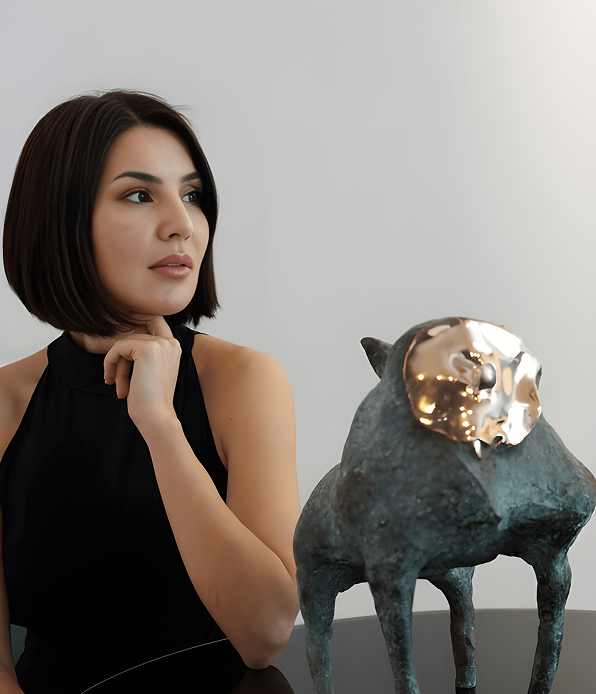
Natalya Andakulova is a gallery owner for whom Central Asian art is not merely a regional movement, but a fully-fledged voice on the world stage. Perhaps, it is precisely now that this voice is becoming particularly attention-grabbing.
Latest Posts

Princess Deemah bint Mansour bin Saud Al Saud, Weam Al Dakheel and Mashael Al Obaiden come together in Diriyah for a campaign shaped by presence, firsts and fearless ambition.
More than a decade after opening at NYU Abu Dhabi, The Arts Center has grown beyond a performance venue — creating space for artistic discovery, long-term collaboration and a community willing to experience the unfamiliar

Is a media outlet that is part of our agency and provides basic tools for nurturing your business.


