
Why The Odyssey Worked — Even for a Nolan Sceptic
Christopher Nolan’s latest epic proves that ambition, controversy and a strong point of view can still turn a blockbuster into a cultural event.
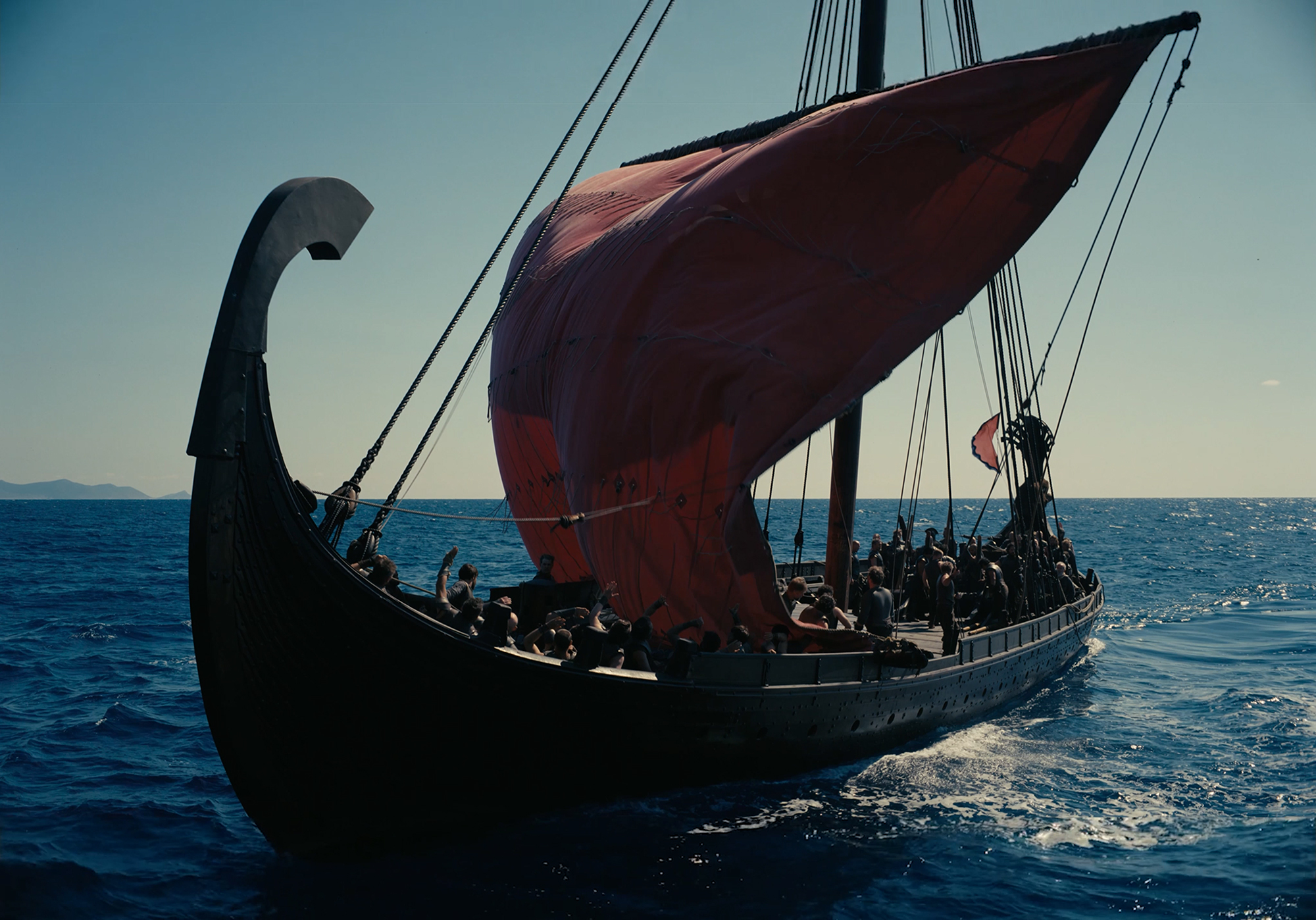
I have never been particularly devoted to Christopher Nolan.
His films are technically impressive, beautifully acted and impossible to mistake for anyone else’s work. But his characters often feel designed to carry ideas rather than behave like messy, unpredictable people.
That is why enjoying The Odyssey came as a surprise.
The film didn’t suddenly solve everything I find frustrating about Nolan. Instead, it made those qualities work in his favour.
Nolan still knows how to create an event
Few directors can make a three-hour adaptation of an ancient Greek poem feel like compulsory viewing.
Nolan can.
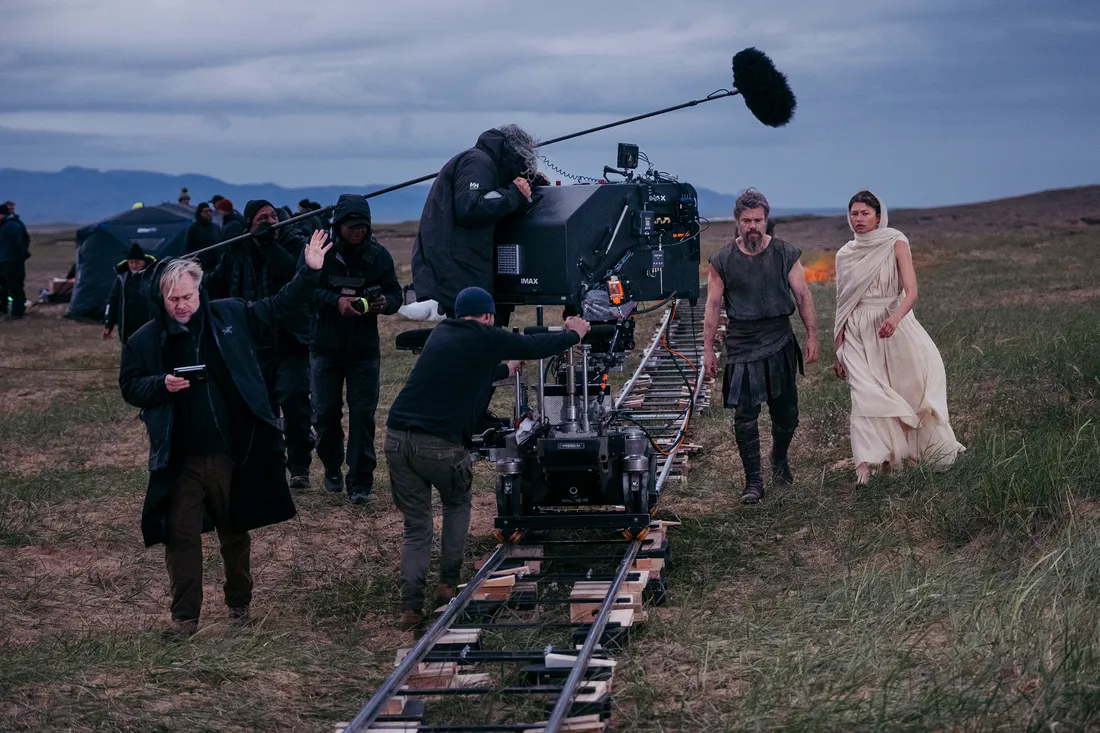
The Odyssey was shot entirely with IMAX cameras, while its 70mm version was released in only a small number of cinemas worldwide. Audiences actively sought out those screenings, turning the format itself into part of the attraction.
The scale continued at the box office. With a reported production budget of around $250 million and a huge global marketing campaign, the film went on to pass $1.2 billion worldwide.
That success matters because Nolan is still able to make expensive mainstream films that feel unmistakably personal.
In an era of increasingly interchangeable blockbusters, his films still have an author.
The arguments are part of the success
The film also became impossible to discuss without disagreement.
Some audiences criticised its treatment of women. Others complained about changes to Homer’s story, its casting choices or its modern interpretation of Odysseus.
Classicists debated what Nolan had simplified, removed or reimagined. Some saw the film as emotionally shallow; others found it one of his most morally complex works.
That tension is valuable.
A memorable film does not always need everyone to agree with it. Sometimes its real achievement is making audiences argue about what they have just watched.
The Odyssey became more than another major release because people wanted to interpret it, defend it and criticise it.
Indifference would have been a much greater failure.
Victory is where the real story begins
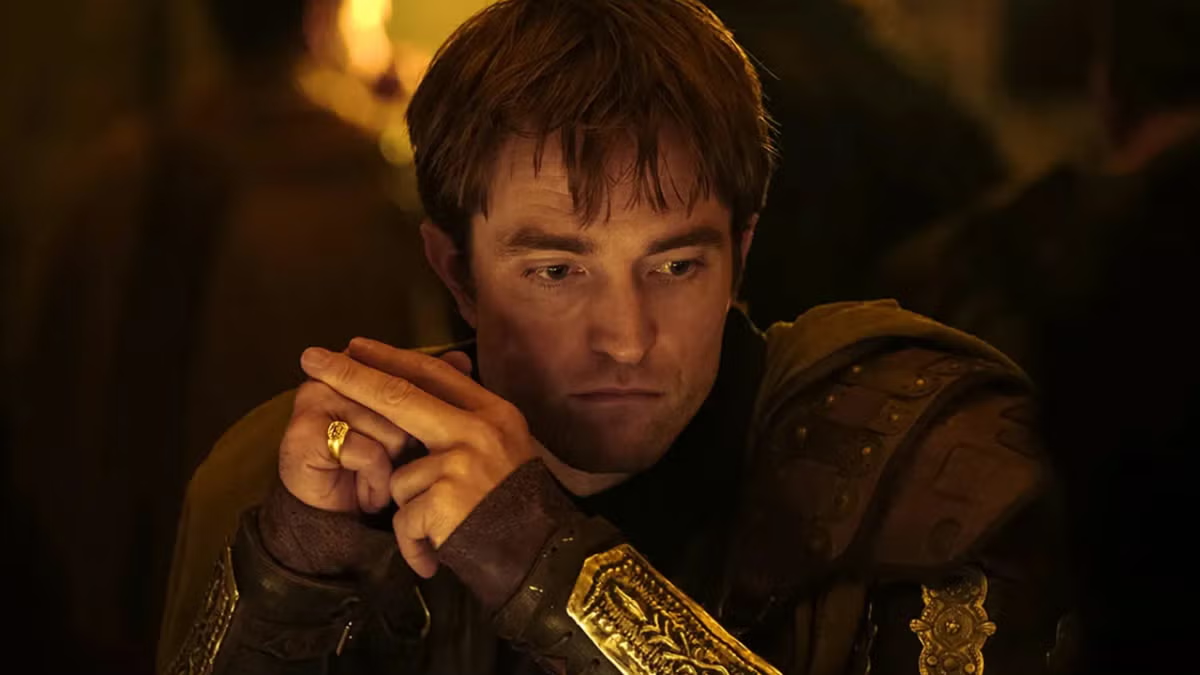
The film’s strongest idea is also one of its simplest: winning can carry its own punishment.
Odysseus ends the Trojan War through intelligence rather than brute force. The Trojan Horse is an extraordinary strategic success.
It is also followed by destruction.
Troy burns, civilians die and an entire civilisation collapses.
Nolan turns that contradiction into the emotional centre of the film. Odysseus must live with the fact that his greatest achievement may also be the source of his guilt.
That inevitably recalls Oppenheimer.
Both stories centre on brilliant men who solve enormous problems and only afterwards fully confront the consequences of their success.
The question is no longer simply, “Can this be done?”
It becomes, “What happens after it works?”
The women understand more than they control
Criticism of Nolan’s female characters is hardly new, and The Odyssey does not completely escape it.
Several women from Homer’s poem are simplified or removed, and Penelope loses some of the cleverness that makes her such a strong counterpart to Odysseus in the original text.
Still, the film gives its women an interesting position.
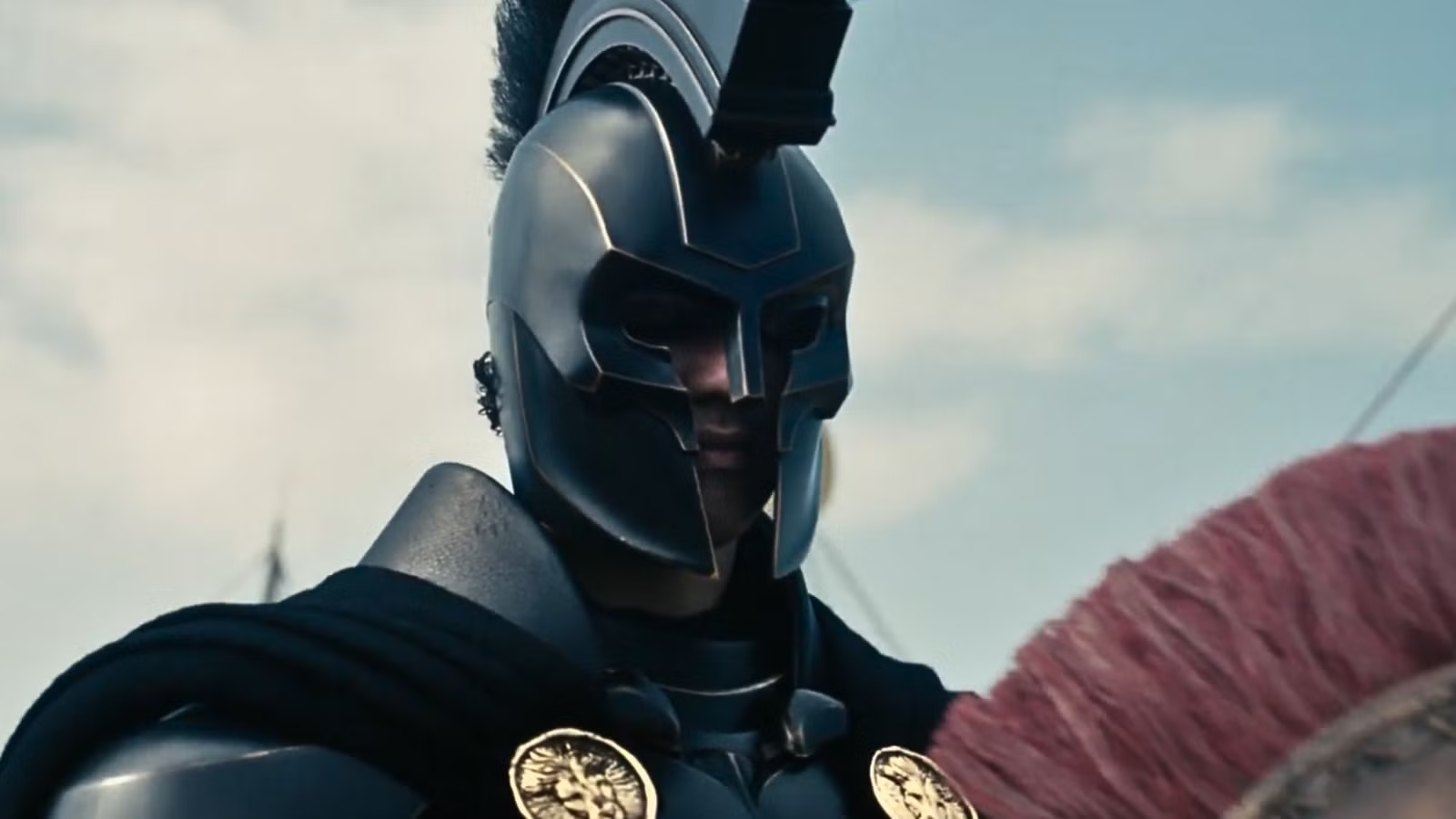
Circe, Helen, Penelope, Athena and Calypso often seem to understand the consequences of male ambition before the men themselves do.
They may not control the journey, but they frequently see it more clearly.
And perhaps that is the larger point. Nolan tends to write almost everyone symbolically. His men represent guilt, ambition, obsession and sacrifice just as much as his women represent wisdom, temptation or stability.
His characters are rarely casual human beings.
They are ideas with excellent actors.
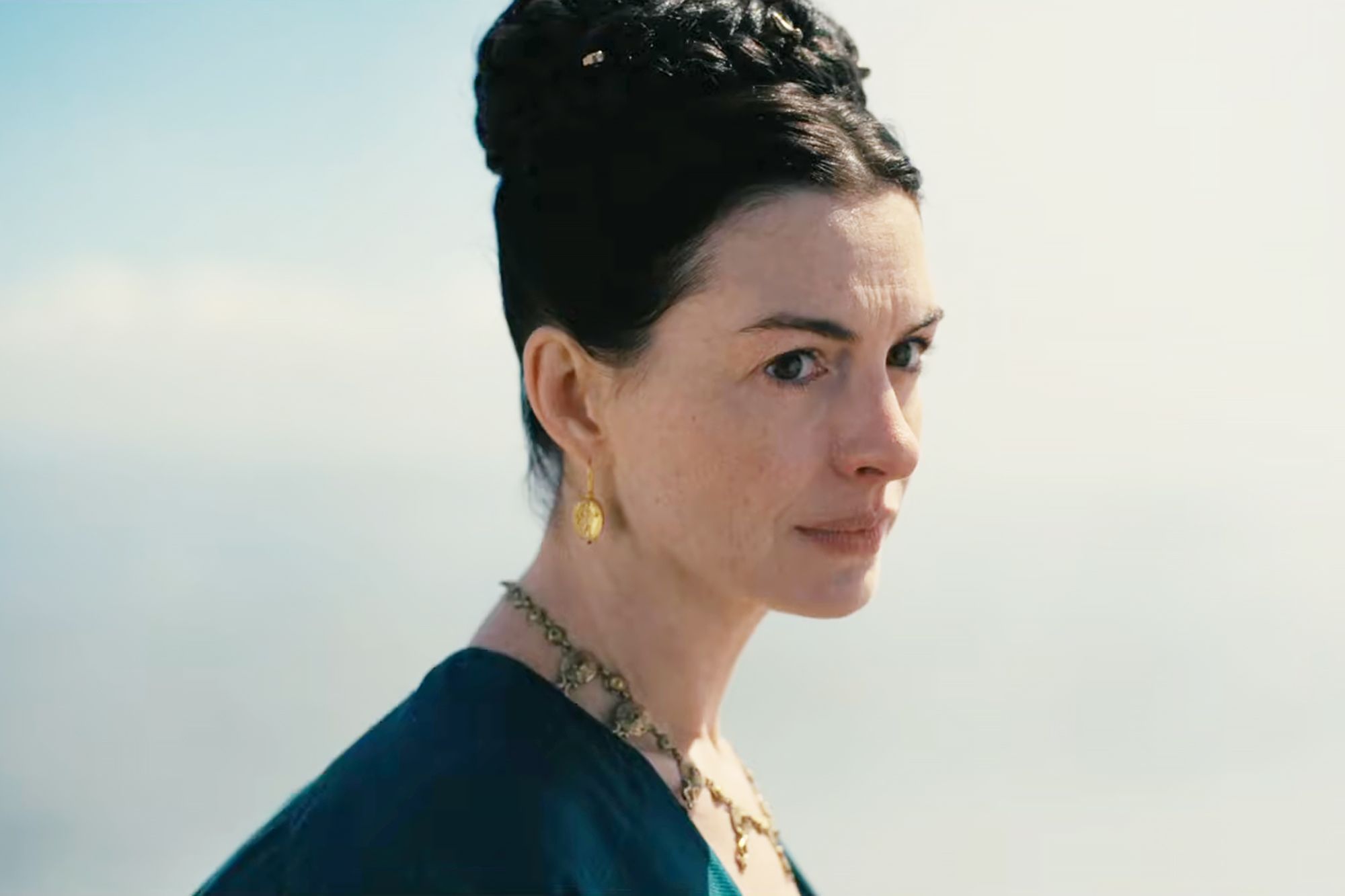
The biggest win happened outside cinemas
One of the most interesting effects of the film has been a renewed interest in Homer.
Sales of The Odyssey increased after the film was announced and continued rising around its release, with Emily Wilson’s translation among the editions benefiting most.
Libraries also reported increased demand.
That may be the best argument for ambitious literary adaptations.
A blockbuster does not have to replace the original work. It can send people back to it.
Some viewers will read Homer. Others will discover modern retellings such as Circe or The Penelopiad. Others may simply leave the cinema curious about a story written thousands of years ago.
That is already more cultural impact than most franchise sequels manage.
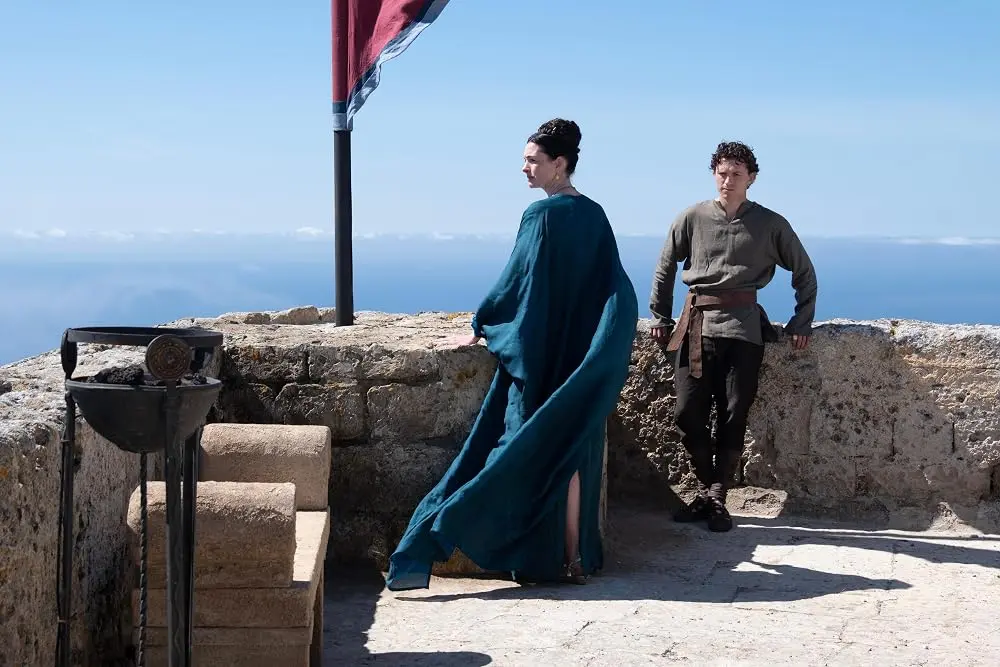
Ambition still matters
Perhaps the biggest lesson of The Odyssey is not really about mythology.
It is about commitment.
Nolan took a 2,500-year-old story, gave it the scale of a modern blockbuster and trusted audiences to follow him.
That confidence could easily have looked ridiculous.
Instead, people showed up.
I still would not call Nolan a flawless filmmaker, and I still find many of his characters more intellectually interesting than emotionally convincing.
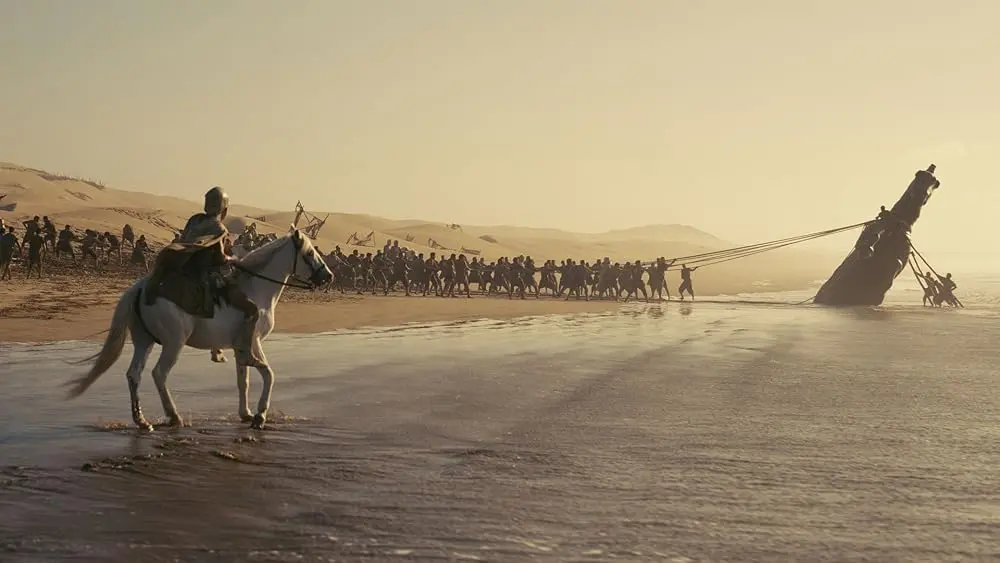
But The Odyssey proves that perfection is not what makes an artist exciting.
A strong vision, enormous ambition and the willingness to risk failure can matter more.
Nolan made a film about one of mythology’s greatest tricksters and pulled off a fairly impressive trick of his own: he made ancient Greek literature feel like a global pop-culture event.
Latest Posts

An evening of theatrical glamour, captivating performances and fine dining awaits as The Theater Dubai introduces VENUS, its latest immersive entertainment experience
Opera Gallery Dubai presents Al Nayed, a landmark retrospective exploring the artistic legacy of Abdulqader Al Rais and his role in shaping the UAE’s cultural identity.

Is a media outlet that is part of our agency and provides basic tools for nurturing your business.


