
The Art of Being Few
How the cult of exclusivity turned collecting into a high-stakes obsession, blending aesthetic pleasure with the thrill of the hunt
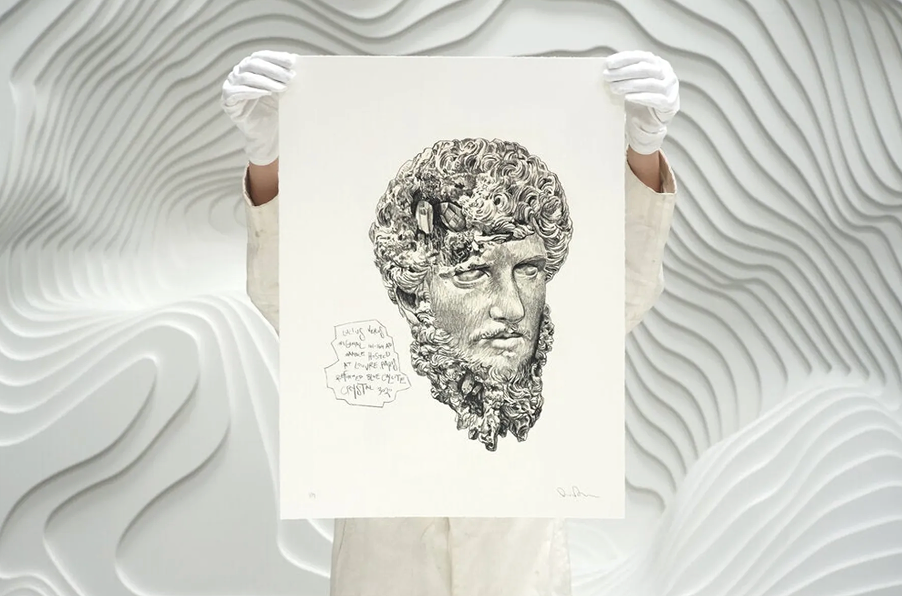
In recent years, the world has developed a genuine passion for limited editions. Rare watches vanish from store shelves within minutes, collectible sneakers sell out instantly, and designer capsules are snapped up even at the pre-order stage. Scarcity has become a marker of status, and the cult of exclusivity is now an integral part of contemporary culture. This trend has seamlessly crossed over into the art world: where collectors once focused on acquiring original paintings, today comparable value is placed on limited series of sculptures, prints, and art toys — offering a sense of exclusivity and connection to the unique universe of the artist.
The Power of Scarcity
The trend of limited editions reflects a broader cultural phenomenon: in an era of digital abundance, limitation has become the new standard of value. When surrounded by thousands of identical objects, scarcity instantly creates a sense of significance and prestige. Research in behavioral economics confirms it: the rarer the resource, the higher its perceived value.
It is on this basis that limited editions found their place in art. Restricted series allow for a combination of aesthetic pleasure with a sense of rarity and exclusivity. Limited editions provide the feeling of belonging to the circle of those “who know,” and this resonates strongly on an emotional level.
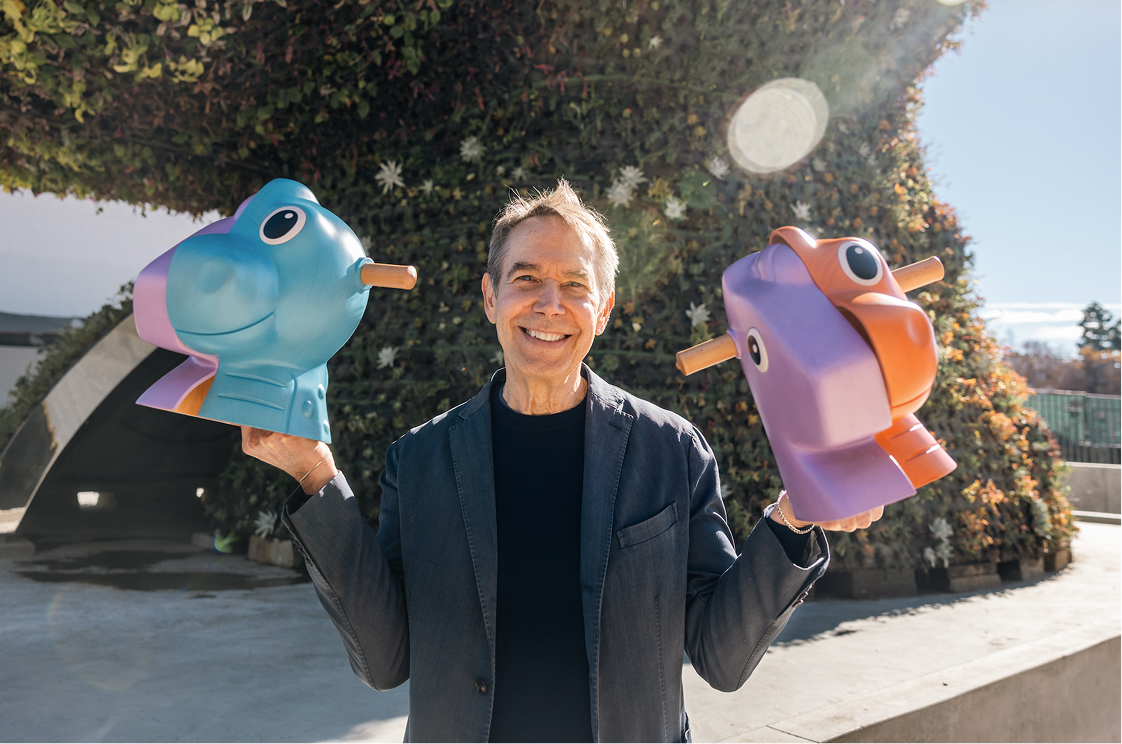
The Allure of Few
Limited editions in art are meticulously planned series in which each piece is signed and numbered, with the total run strictly capped. These works are often accompanied by a certificate of authenticity and made from high-quality materials. Sometimes an additional layer of exclusivity is added — AP, or artist’s proof. Historically, AP copies were intended for the artist’s close circle: owning an AP means being part of an elite group that understands the artist’s language and deeply appreciates the work.
The idea of limited runs originated in the modernist era of the last century. It was then that artists began producing graphic series and prints, allowing a wide range of collectors to engage with their work without diminishing the value of the original. Early series by Salvador Dalí, Pablo Picasso, and Andy Warhol — who became a pioneer in the contemporary understanding of the format — laid the groundwork for limitation to evolve from a technical practice into a full-fledged marker of status and artistic significance.
On the secondary market, limited editions continue to show lively dynamics. For example, David Hockney’s The Blue Guitar series sold at London auctions for sums well above initial estimates. Complete sets, signed and numbered, fetched prices ranging from approximately £32,000 to over £52,000 at Phillips and Sotheby’s, while individual artist’s proofs from the same set sold for around £15,000 — prices few collectors expected even years after release.
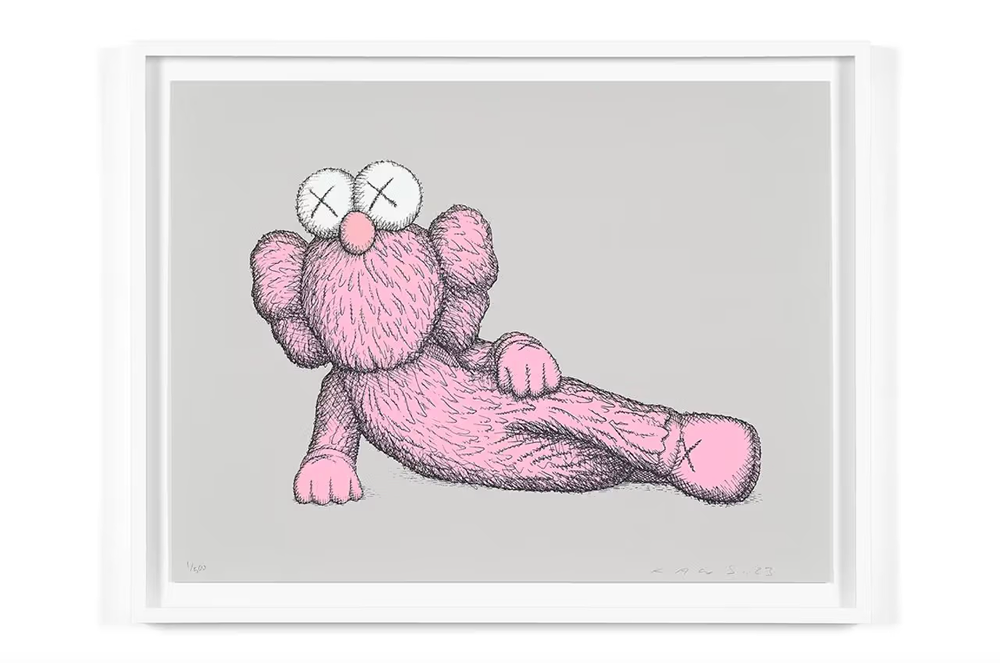
Why It Works
Beyond the psychological effect of scarcity, economic logic plays a crucial role in the art market. Galleries see limited editions as a way to broaden their audience: newcomers can start collecting affordable, yet valuable works that may appreciate on the secondary market, while established collectors can expand their holdings with exclusive pieces without devaluing existing originals.
Each release is also a carefully orchestrated marketing exercise. The edition is limited and will never be repeated, and buyers become part of a select, exclusive circle. Artists orchestrate a true “warm-up”: weeks or even months in advance, they set exact launch dates and times, tease with announcements and previews, and the works sell out within minutes. And the experience doesn’t end there — the anticipation of receiving the coveted box, often beautifully packaged with meticulous attention to detail, turns ownership into a full ritual of pleasure.
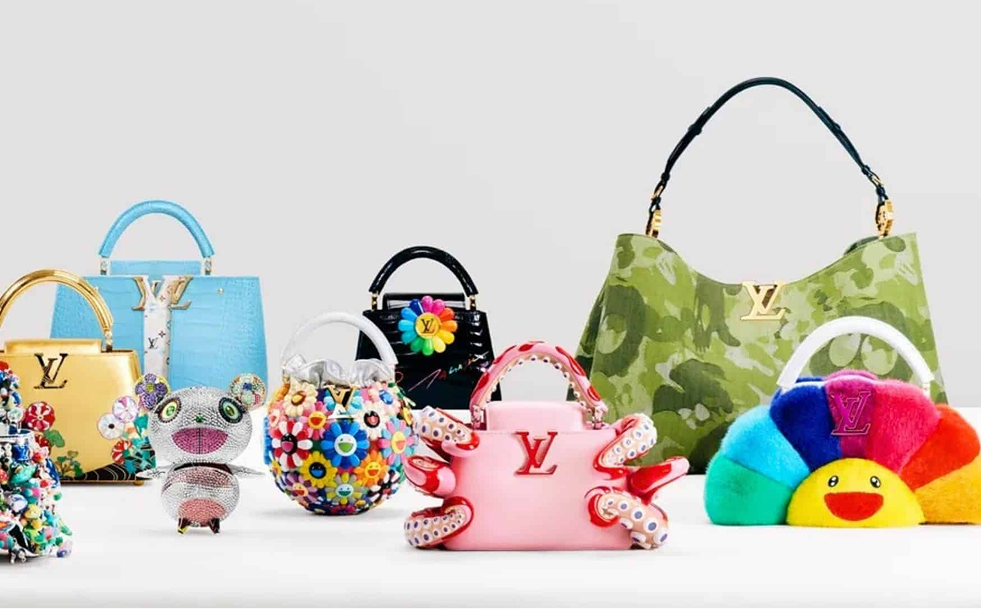
Brand collaborations amplify the effect of rarity and desirability. Artworks produced as part of branded series or designer capsules gain additional marketing momentum, attracting attention not only from art connoisseurs but also from fans of the brand. The “must-have” effect turns these pieces into objects of pursuit: if it’s available, it must be had.
Fad or an Asset?
Limited editions may appear as a fleeting fashion spike, but in reality, it is a trend with enduring roots. Scarcity heightens the desire to be unique and stand out, and economic logic works for the long term: artists expand their audience without devaluing originals, and collectors acquire rare objects with potential for secondary market growth.
The format may evolve, but the underlying idea — value through limitation — remains timeless: the sense of rarity and exclusivity makes every acquisition meaningful, emotionally charged, and truly desirable.
Limited editions in art are neither a nod to fashion nor a way to sell originals at lower prices. They represent a unique cultural and market phenomenon, reflecting our relationship to rarity, exclusivity, and status. Born at the intersection of psychology, the evolution of the art market, and new forms of artist–audience interaction, they offer a new way to own art: accessible yet exceptional, emotionally valuable, and genuinely coveted.
Latest Posts

From a botanical drinks lab to a London dining heavyweight and a sky-high Asian destination, Dubai’s September openings are worth making plans for
Inner Armor Is Here: Meet Sanaa Ouahmane at a Special Book Signing on September 18

Is a media outlet that is part of our agency and provides basic tools for nurturing your business.


