
Saudi Fashion Now: 10 Designers Redefining the Kingdom’s Creative Identity
From architectural couture and sculptural jewellery to modern tailoring and collectible accessories, a new generation of Saudi designers is translating the Kingdom’s heritage into a fashion language of its own
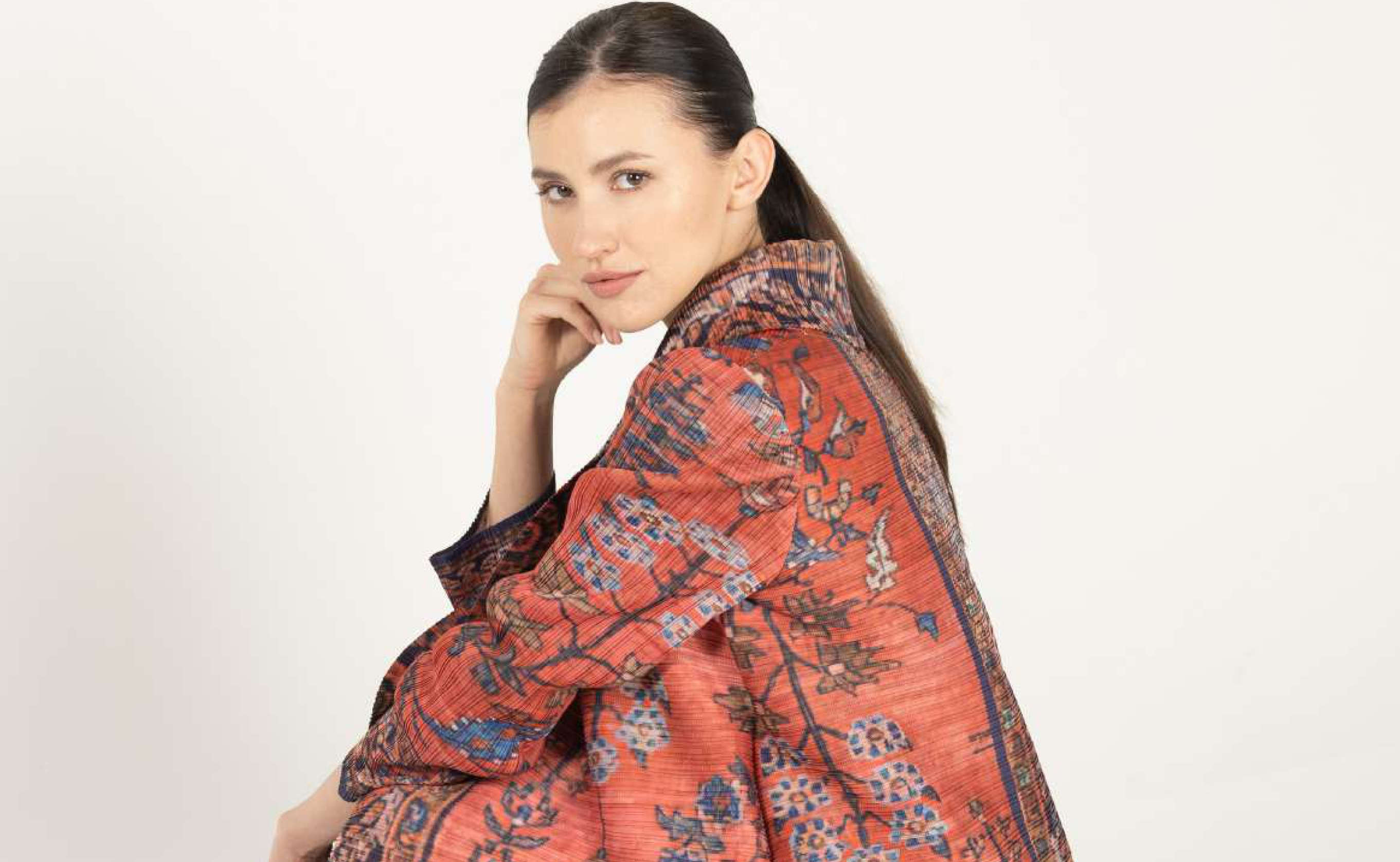
Saudi National Day, celebrated every year on 23 September, marks the unification of the Kingdom of Saudi Arabia under King Abdulaziz bin Abdulrahman Al Saud in 1932. Yet today, the occasion is also an opportunity to look at Saudi identity as something continuously evolving — shaped not only by history and tradition, but by the people interpreting them for a new era.
Fashion has become an especially powerful part of that story.
Rather than simply reproducing familiar symbols of Saudi culture, designers across the Kingdom are finding new ways to work with them. Traditional craftsmanship appears alongside experimental construction; regional references meet international techniques; and ideas of Saudi femininity are being explored through everything from sharply cut tailoring to elaborate couture and conceptual jewellery.
Some of these designers are building their businesses from Riyadh and Jeddah, while others produce between Saudi Arabia, Italy, Barcelona and other international fashion centres. What connects them is not a single aesthetic, but a growing confidence in presenting Saudi design on its own terms.
For Saudi National Day, these are ten names helping shape that conversation.
Tima Abid
Few categories communicate the transformative side of fashion quite like couture, and Tima Abid has established herself as one of Saudi Arabia’s notable names within it.
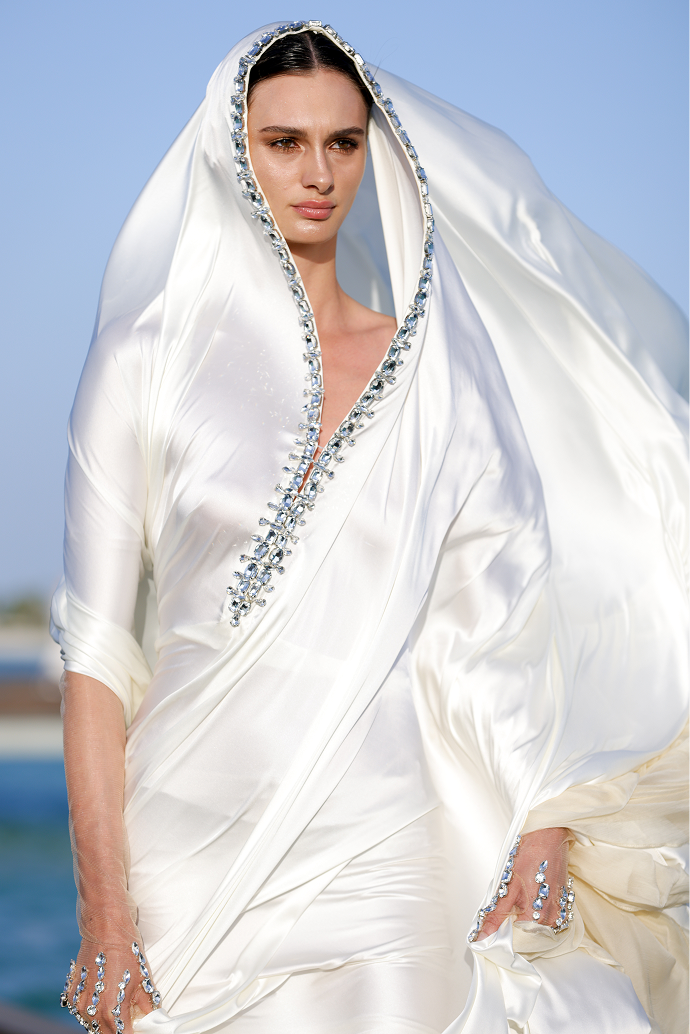
Working from her atelier in Jeddah, Abid creates elaborate eveningwear characterised by detailed embroidery, beadwork, sequins and luxurious fabrics. The result is dramatic without losing refinement, with femininity remaining central to her design language.
Saudi culture and heritage continue to inform her work, but rather than treating them as fixed references, Abid translates them into a contemporary couture vocabulary. Her debut at Paris Haute Couture Week also brought that perspective onto an international stage, marking an important chapter in the designer’s career.
Arwa Al Banawi
Arwa Al Banawi has long explored what happens when contemporary tailoring meets the visual language of Saudi Arabia.
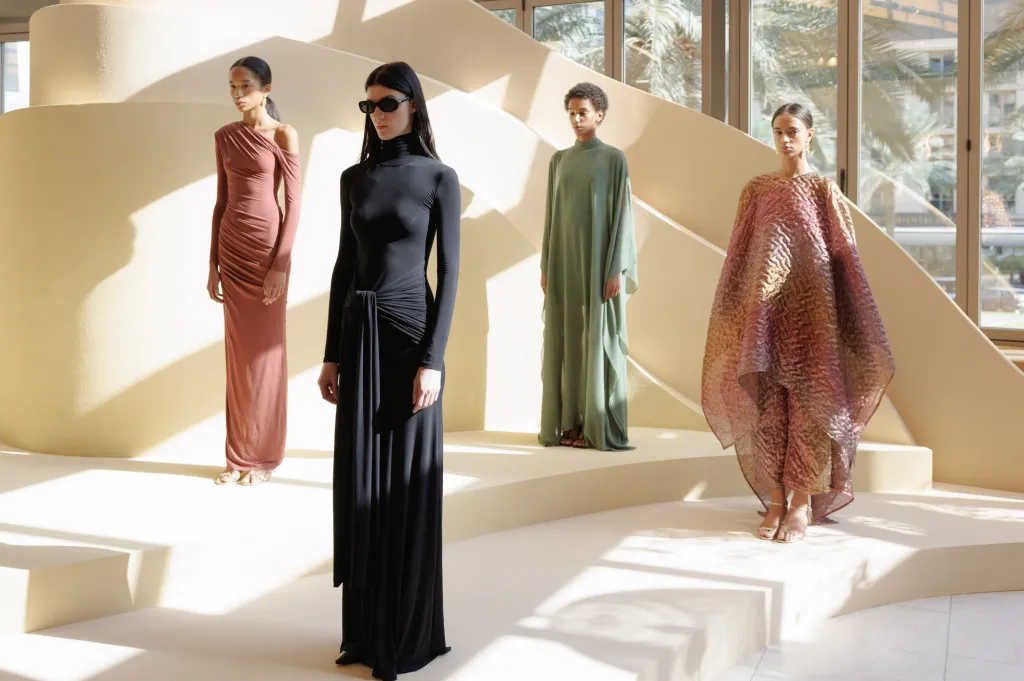
Born in Jeddah and educated in Switzerland, the designer has developed a recognisable approach built around layering, elongated proportions and clean, structured silhouettes. Regional influences are present, but interpreted rather than replicated.
Her more recent return to eveningwear introduces another side of that identity. Inspired by the atmosphere of Riyadh around sunset, the pieces are imagined for the hours when afternoon turns into evening — polished enough for an occasion, yet fluid enough to move naturally into the night.
It is a wardrobe where modern luxury and Saudi references exist comfortably alongside one another.
APOA
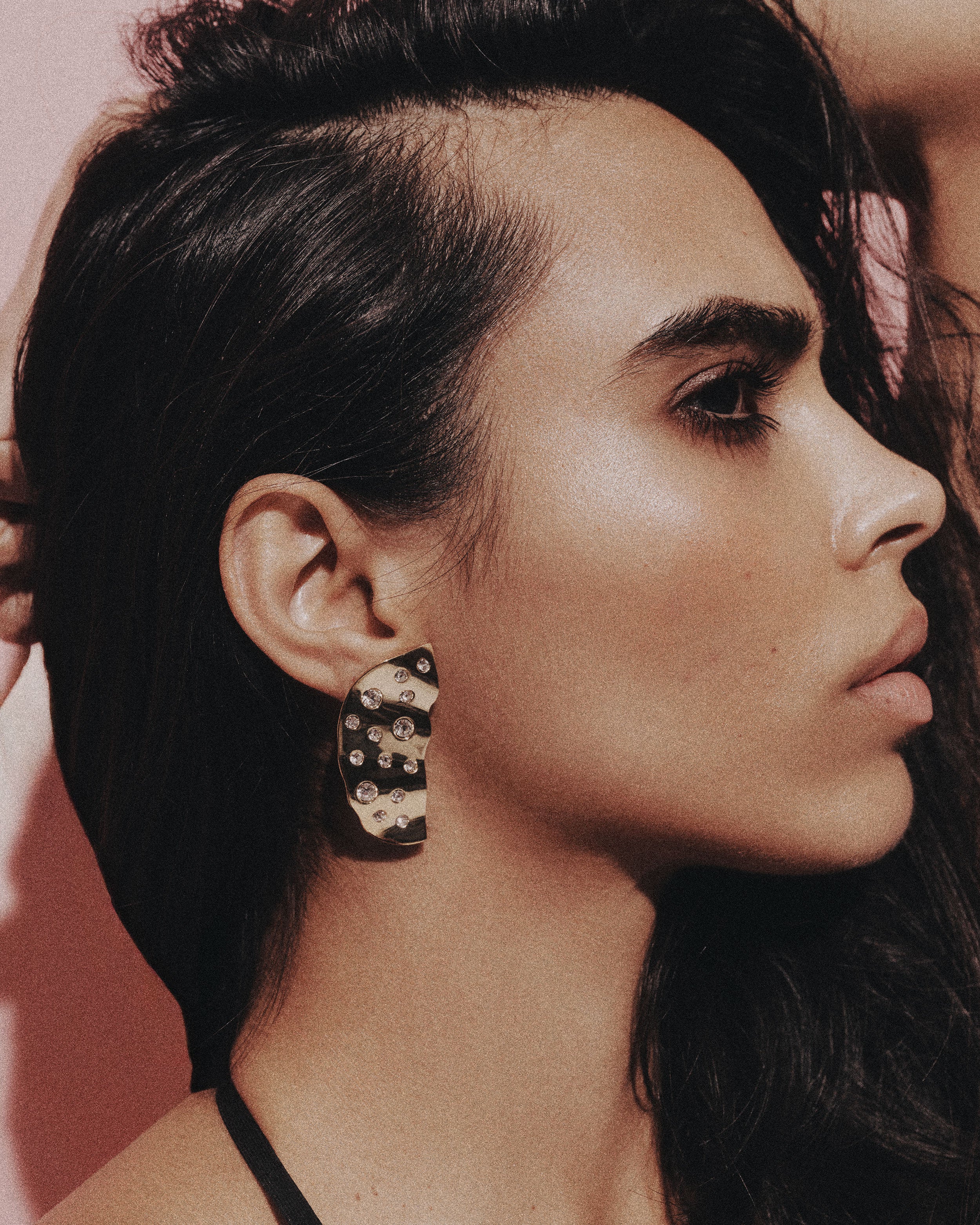
At APOA, jewellery becomes something closer to wearable sculpture.
The name stands for A Piece of Art, an appropriate description for a label founded in Riyadh in 2023 by Princess Noura Abdulaziz Al Saud, Princess Sara Naif Al Saud and Princess Mashael Khalid Al Saud.
Architecture, nature, travel, culture and design all feed into APOA’s creative universe. Instead of treating jewellery simply as a finishing touch, the brand creates statement pieces intended to become part of the entire look — objects that invite attention and conversation.
The collections are designed between Riyadh and Barcelona before being handcrafted in Italy, combining a distinctly Saudi creative perspective with international production and craftsmanship.
Yousef Akbar
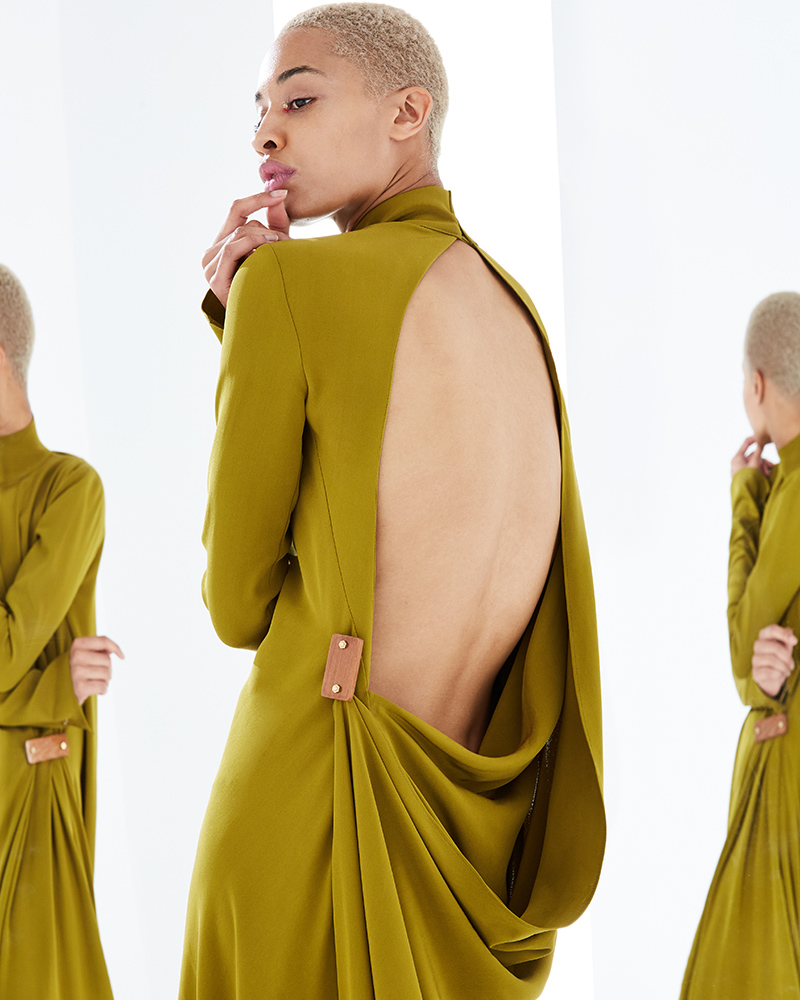
Yousef Akbar’s approach begins with a fundamental fashion question: what can fabric do around the human body?
Born and raised in Jeddah, Akbar studied fashion in Sydney before establishing his namesake label in 2017. His eveningwear has since become associated with fluid draping, sculptural forms and unconventional cutting techniques.
Rather than relying on embellishment alone to create impact, Akbar often allows construction and movement to become the drama.
In 2020, he received the Fashion Trust Arabia Eveningwear Prize, while his work has subsequently appeared on international red carpets on women including Nicole Kidman, Alicia Keys and Rita Ora.
Alongside the visual identity of the label is an emphasis on sustainability, with longevity, versatility and thoughtful production forming part of its approach.
Dania Shinkar
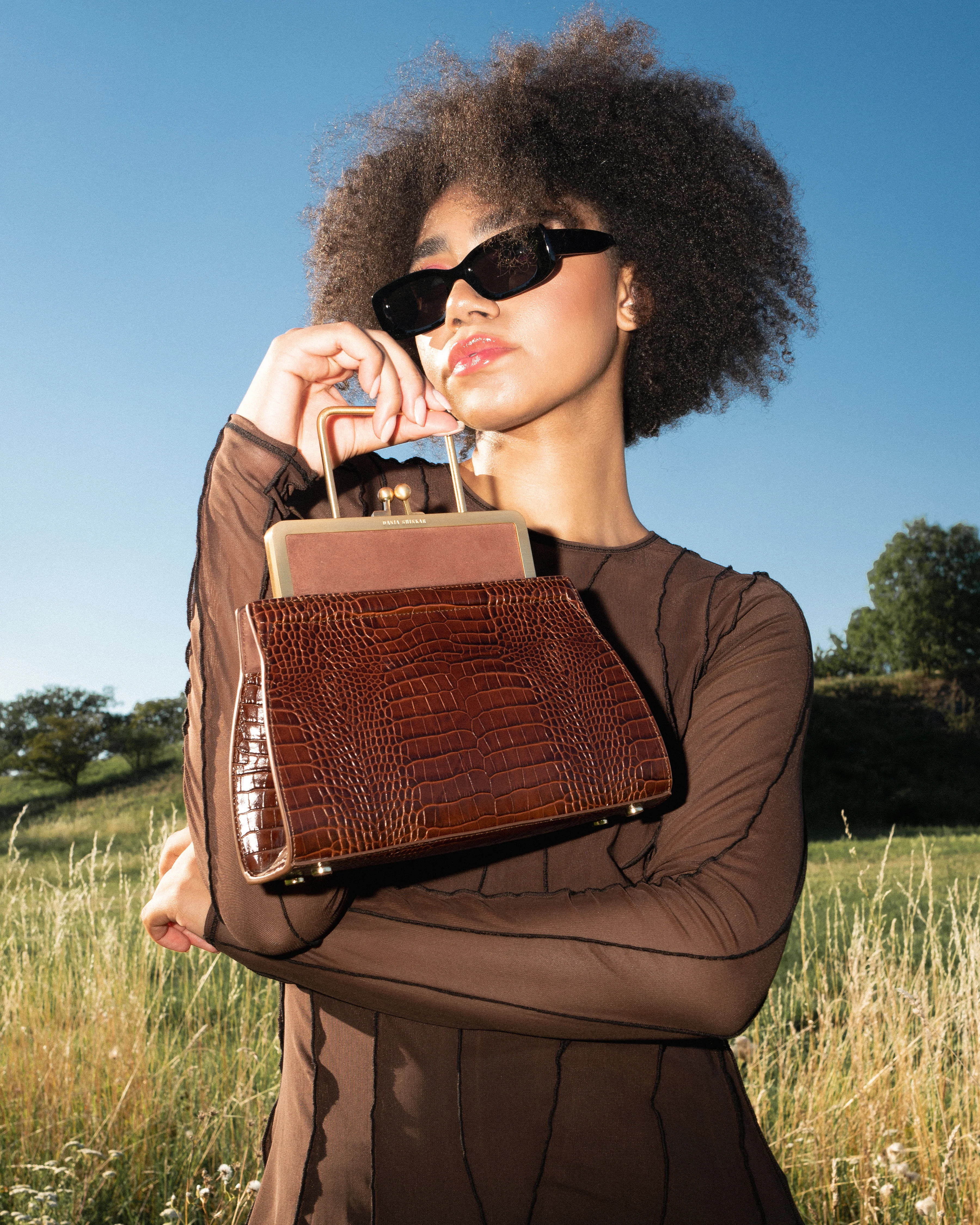
The idea of the handbag as a collectible object sits at the centre of Dania Shinkar’s Saudi-Irish label.
Shinkar’s background in textile print design gives her accessories a particularly tactile character. Art, architecture and vintage references inform the shapes and details, while limited production helps distinguish the pieces from mass-market luxury accessories.
The bags are produced in Italy by specialist artisans using ethically sourced leather, bespoke hardware and carefully considered finishing.
There is familiarity in the function — these are objects designed to be carried — but Shinkar uses material, proportion and unexpected details to make that familiar format feel new.
Rebirth
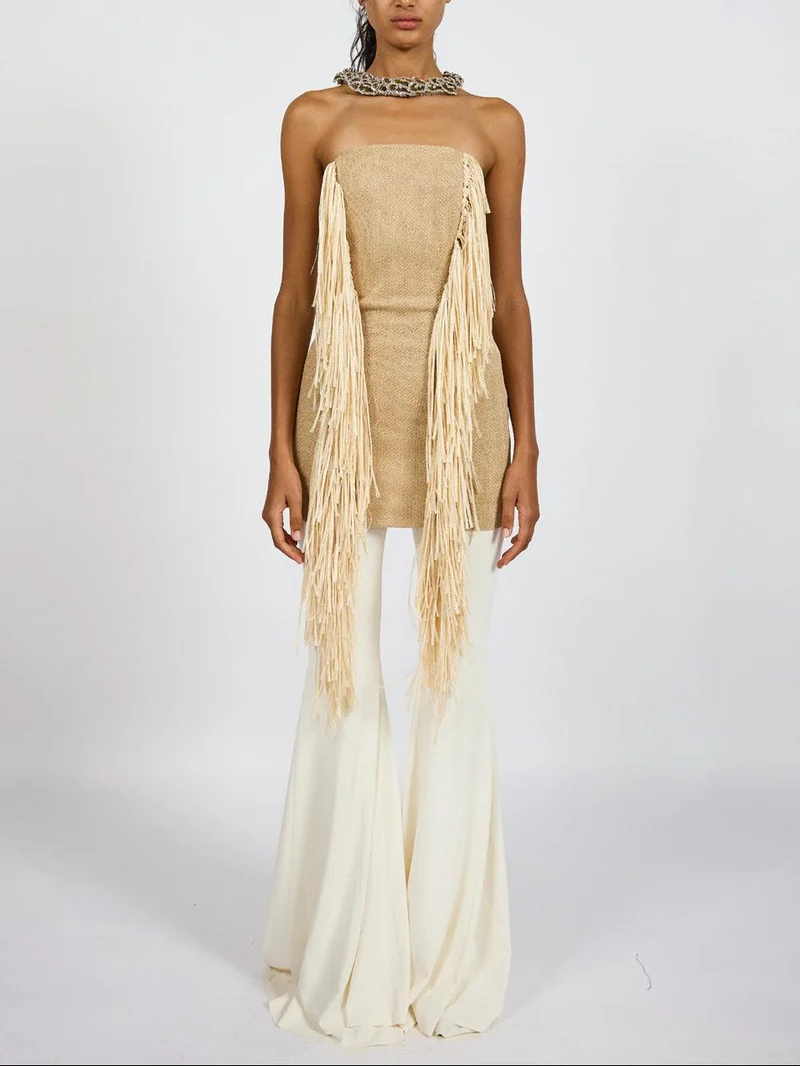
For Tala Abukhaled, looking forward does not require leaving traditional techniques behind.
She founded Rebirth in 2021 around the idea of bringing artistic and cultural practices into contemporary fashion. Techniques including weaving, knotting, braiding and hand-finishing — some passed through generations — appear within modern, often architectural silhouettes.
Produced across Saudi Arabia and Italy, the label embraces a slow-fashion philosophy in which the making of a garment is as significant as its final appearance.
Nature, emotion and craftsmanship all inform Abukhaled’s work, allowing traditional processes to exist in a context that feels firmly contemporary.
Her work with Rebirth was also featured in Vogue Arabia’s June 2026 issue.
Kaf by Kaf
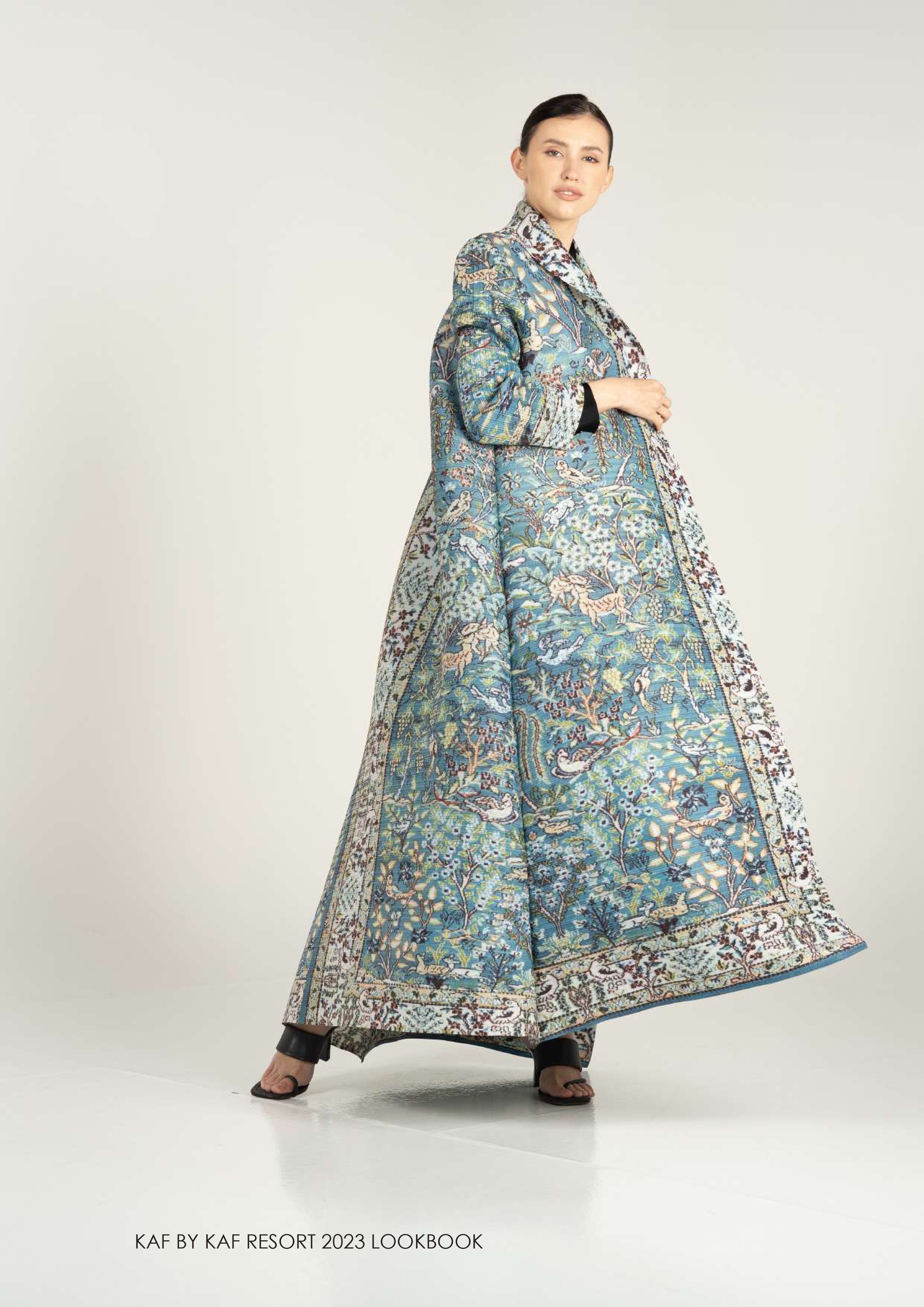
Before Kawthar Alhoraish approached clothes as a designer, she understood form through architecture.
That background remains visible in Kaf by Kaf, the Saudi label she established in 2019. Garments are considered three-dimensionally, with proportion, structure, draping and material playing central roles in each collection.
Yet the result is not architecture translated literally into clothing. Traditional elements and craftsmanship also enter Alhoraish’s visual world, creating a dialogue between experimentation and cultural memory.
Rather than designing around rapidly changing trends, Kaf by Kaf places greater emphasis on individuality, quality and concept — an approach that has helped establish its position within Saudi Arabia’s contemporary fashion landscape.
Yataghan
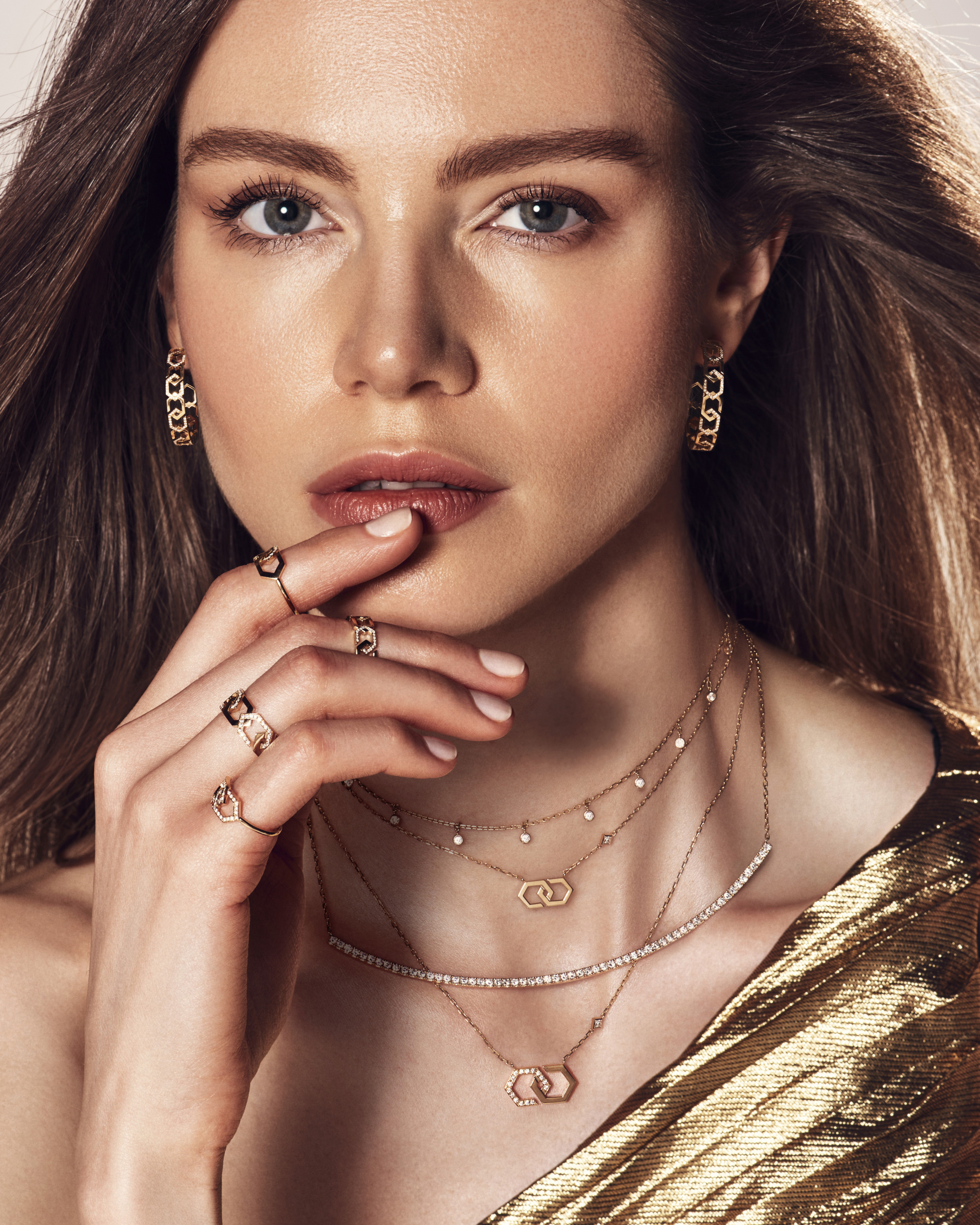
Long before the recent acceleration of Saudi Arabia’s fashion scene, Yataghan was developing a jewellery identity rooted in the Kingdom.
Founded by Sarah Abudawood in 2008, the fine jewellery house takes its name and inspiration from the yataghan sword, particularly its distinctive curved form and the ideas of strength and elegance associated with it.
That duality runs throughout the brand: softness against strength, heritage against minimalism, symbolism against contemporary design.
Handcrafted by artisans, Yataghan’s jewellery draws on Saudi heritage and architecture while avoiding an overly literal interpretation of either. The brand was also among the early names to embrace online fine-jewellery retail in Saudi Arabia.
Mona Alshebil
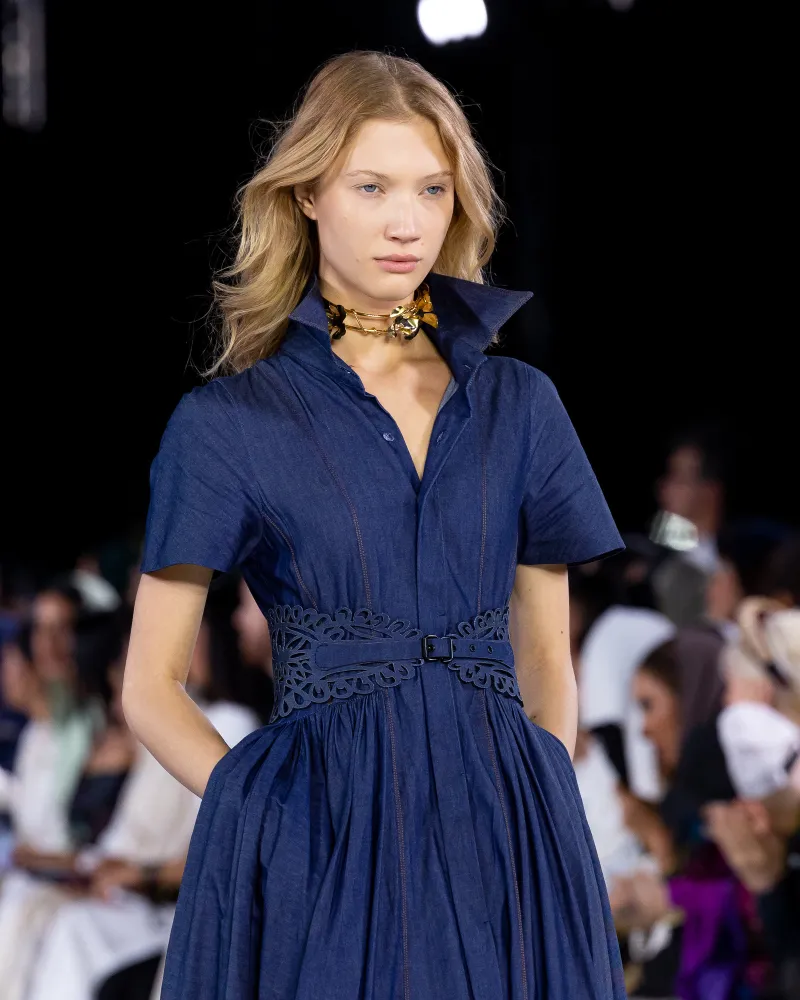
Mona Alshebil’s clothes demonstrate that minimalism does not have to mean emotional distance.
After returning to Saudi Arabia, Alshebil found herself wanting clothes that better reflected her own personality and aesthetic. That desire eventually became the foundation for her namesake label, conceptualised and created in the Kingdom in 2020.
Her approach centres on understated femininity, considered silhouettes, craftsmanship and quality rather than excessive decoration. Ethical and sustainable practices also form part of the brand’s philosophy.
Now part of the 100 Saudi Brands programme, Mona Alshebil offers an interpretation of timeless dressing that feels distinctly contemporary without depending on short-lived trends.
Dazluq
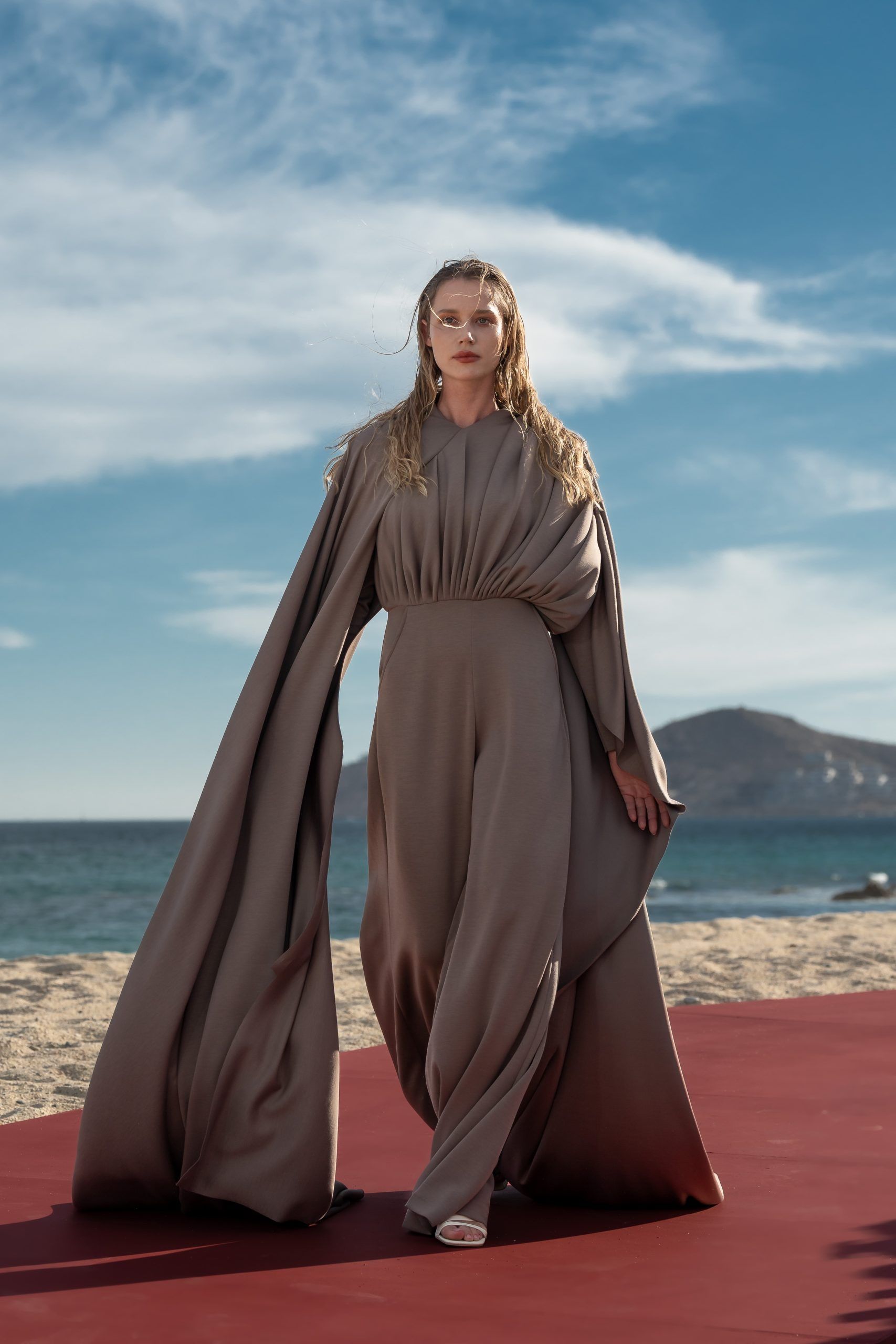
Salma Zahran’s Dazluq exists in the space between apparent opposites.
Femininity can coexist with authority. Romance does not have to mean fragility. Structure does not have to remove softness.
With a background in art and design from Miami International University, Zahran builds collections around those contrasts. Romantic elements are balanced with modern construction, allowing the clothes to shift between different moods rather than prescribing a single version of femininity.
That versatility is central to the Dazluq woman: she does not need to choose between strength and softness because the clothes are designed to make room for both.
A Saudi Fashion Language of Its Own
What makes Saudi fashion particularly interesting at this moment is that there is no single formula defining what it should look like.
For one designer, Saudi identity may emerge through centuries-old craft. For another, it can be found in the architecture of Riyadh or Jeddah, the light at sunset, the construction of a traditional garment, a piece of jewellery, or simply a particular understanding of how women want to dress today.
And perhaps that plurality is precisely the point.
Saudi National Day celebrates a Kingdom brought together in 1932. Nearly a century later, its designers are demonstrating how many creative identities can exist within that shared story — carrying elements of the past with them while creating something unmistakably contemporary.
Saudi fashion is no longer simply introducing itself to the world. It is increasingly defining the terms of the introduction.
Latest Posts

From banks and property companies to tech brands, some of Dubai’s most familiar Metro station names are actually multimillion-dirham advertising deals. Here’s how the system works
Forget the usual fall neutrals. Autumn 2026 is arriving in the UAE with richer, bolder and far more expressive colour

Is a media outlet that is part of our agency and provides basic tools for nurturing your business.


