
From Royal Vision to Startup Execution: Seyed Mohammed Siam Hosseini on the UAE’s Innovation Model
An inside look at how the UAE turns long-term vision into startup execution — through trust, community design, and relationship-driven innovation
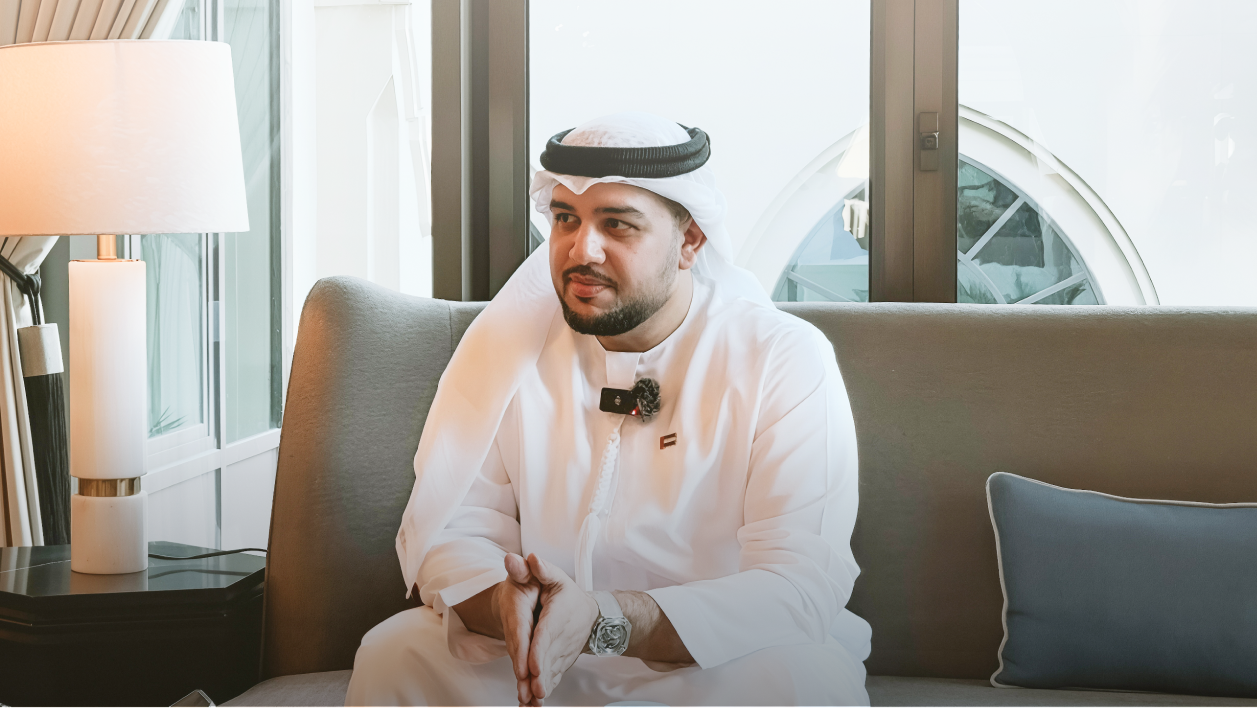
What truly powers a thriving innovation ecosystem? In the United Arab Emirates, the answer goes beyond capital and policy. It lies in trust, community design, and long-term relationship building.
In this interview, Seyed Mohammed Siam Hosseini — advisor, ecosystem architect, and co-founder of Dubai Tech Tuesdays — shares how the UAE translates strategic vision into startup execution, why relationships matter more than speed, and what the next decade of technology will look like.
The UAE is widely recognized as a global hub for innovation and entrepreneurship. In your view, what makes the country’s startup ecosystem so uniquely successful? Is it government policy, cultural mindset, or the strength of its community?
Seyed Mohammed Siam Hosseini: That’s an amazing question. The UAE was built from the foundation up—especially in infrastructure and education. We focused on education from an early age: from around 3 to 6, then 6 to 12, and so on. At each phase, we aim to maximize learning.
We bring in the best professors, scientists, and experts from around the world, so our children can learn from the best. There used to be a saying in the past: “Middle Easterners have a lot of money, but they’re not bringing anything new to the world.” That has changed. It’s different now, especially in the UAE where it’s not about money but about how we attract global talent and ensure they get the maximum benefit from being here. I can go into much more detail, but we should continue.
As a key regional leader, how do you help translate the government’s strategic vision into real-world innovation through startups and emerging technologies? Can you share an example where your insights helped make that connection possible?
Seyed Mohammed Siam Hosseini: In 2024 alone, we invested around $6 billion into startups. That’s a big number.
As an advisor deeply embedded in the ecosystem, my role is to ensure people are secure and receive optimal support. This spans technology, advisory services, government relations, and ease of access.
Our process functions as a funnel. We channel entrepreneurs who are building companies here, as well as large incoming corporations, into appropriate sectors. We then facilitate their introduction, even to the point of arranging meetings with royal families where they can pitch their ideas—potentially securing substantial investment.
There are different investment paths, including government investment arms and personal investment paths. But as I always emphasize: if you have something real and want to build relationships with the right people in the UAE, it starts with a genuine, compelling idea and a robust product infrastructure. You need something you can discuss with absolute confidence, something that makes you think, "I have to bring this to the world."
Once that foundation is solid, we intake them into the funnel and position them within the right sectors. That is the core of our model.
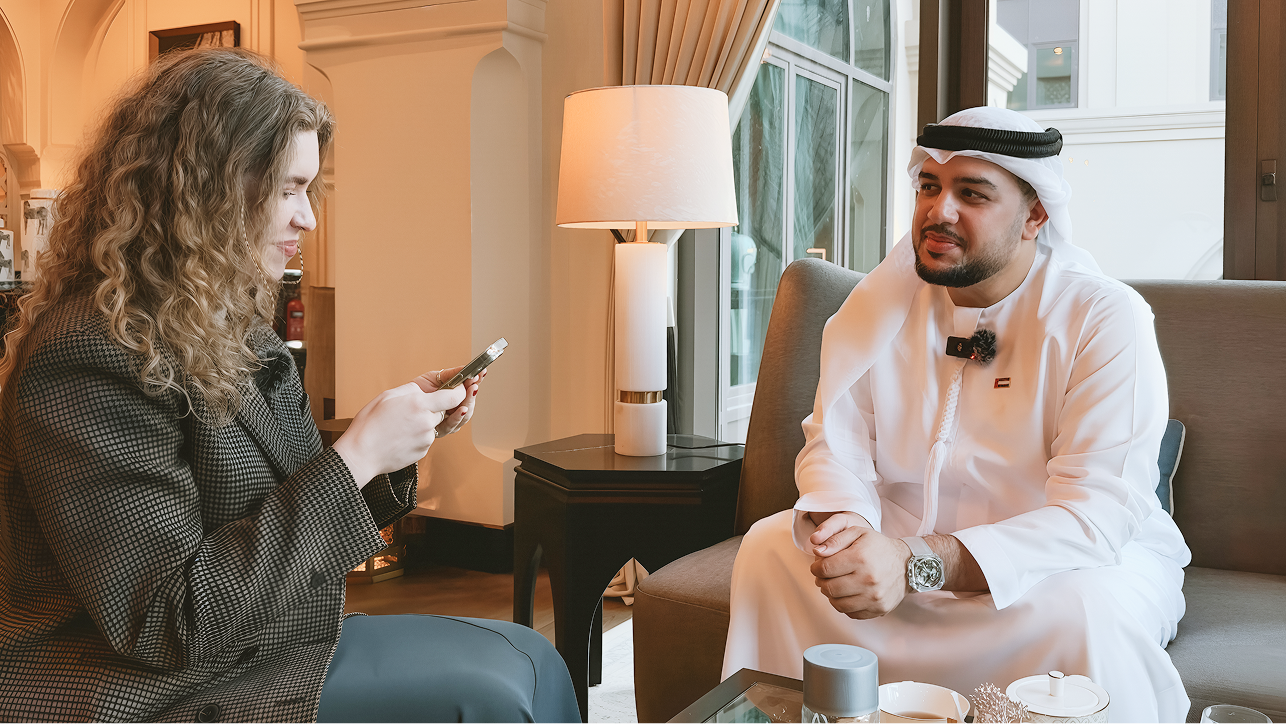
The UAE has been proactive in adopting forward-thinking tech, especially AI. If we could use one experimental policy in the next 12 months, what would it be? And how can founders and regulators co-create frameworks without slowing innovation?
Seyed Mohammed Siam Hosseini: Great question. I have a friend who worked extensively within the DMCC—he actually helped draft their laws. For example, he wrote regulations that allow legal professionals trained here to practice in the UK after obtaining a local license, without needing to retrain. This demonstrates how the country operates at an international level.
Even driving licenses—if you drive here, you can drive in around 95% of other countries. It's a simple but telling example.
On a larger scale, it is technology like AI and deep tech;technologies as LLMs. We're aggregating global knowledge here, allowing people to learn and then export that expertise elsewhere.
As for regulation, one key focus is VARA—the Virtual Assets Regulatory Authority. VARA is a new government entity. In the coming years, and even in the next few months, VARA can reshape the regulatory landscape. It's still in its early stages, so rules are being added constantly. Once fully established, it will be a very robust authority.
Western tech still has many challenges it hasn’t addressed. Have you helped take on any of them?
Seyed Mohammed Siam Hosseini: Of course. We have established dedicated hubs for startups, along with a network of investment and innovation entities—including funding initiatives in Abu Dhabi, and investment and innovation structures in Dubai, among others.The goal is to ensure startups coming to the UAE gain maximum possible benefits.
Furthermore, over the last decade, the UAE has developed and launched numerous technologies that are now utilized globally by major corporations. While I can't disclose specific details, it's clear the UAE has been profoundly involved in technological development.
You’re an ecosystem builder. How do you balance these demanding roles without burning out? Any principles or habits that keep you grounded and effective?
Seyed Mohammed Siam Hosseini: Founding and running Dubai Tech Tuesdays has taught me a lot. The event now runs successfully in both Abu Dhabi and Dubai, with around 36 companies involved across sectors like technology, construction, education, and more.
Tech Tuesdays is about community—bringing people together. Every week, I meet between 200 and 500 people, and I learn a tremendous amount from them.
What truly keeps me going is seeing that I’m helping people reach their goals. When I can make a difference for them and see that realization in their eyes—that feeling is incredibly powerful. Ultimately, helping people is my greatest motivation.
You’ve built and grown teams across multiple ventures. How would you describe your leadership philosophy, especially when leading people around a bold vision in early uncertain stages?
Seyed Mohammed Siam Hosseini: Many people approach me and say: “Hi Mr. Siam, how are you? This is my business; this is what I’m doing.” And I’m like: “Okay, do I know you? Do we know each other?”
You can’t approach people and immediately talk business. That’s the wrong way. You close the door before it even opens.
The best way is to build relationships carefully and step-by-step, progressing from one step to the next in a way that ensures you never go back.
This is especially true in the UAE, where relationships are paramount. It’s a small, interconnected country. People quickly recognize who is trustworthy and who is not. In such a connected community, even small missteps can spread and hinder your progress.
So, don’t move too fast. Rushing often leads to closed doors.
What inspired you to create Dubai Tech Tuesdays and strengthen cooperation among tech professionals? Any success story that stands out?
Seyed Mohammed Siam Hosseini: Dubai Tech Tuesdays began with a simple spark of an idea. My partner, Gordon H. Einstein, and I were sitting together and said, “Let’s do something.” That spark is what led us to create a weekly event for the community.
We asked each other if we were doing this for the money, and we both answered no. That answer was crucial because if you're doing community work to take something from it, you're not focused on giving value. So, we started, and we gave a lot, a principle we've upheld to this day.
We’re also selective. From a database of hundreds of thousands, attendees are personally approved. This ensures a different quality. The vibe is organic—there’s no pressure, no rigid rules. Just be a good person, don't cause trouble, and respect others.
Two stories stand out most vividly for me. On a personal level, two attendees met at a Dubai Tech Tuesdays event and later got married — it truly felt like a blessing to witness such a connection begin in our community. On a professional level, two other participants met at one of our events and went on to close a $21 million deal to build a manufacturing facility. We were not directly involved in either outcome — we simply created the space where these meaningful connections could happen.
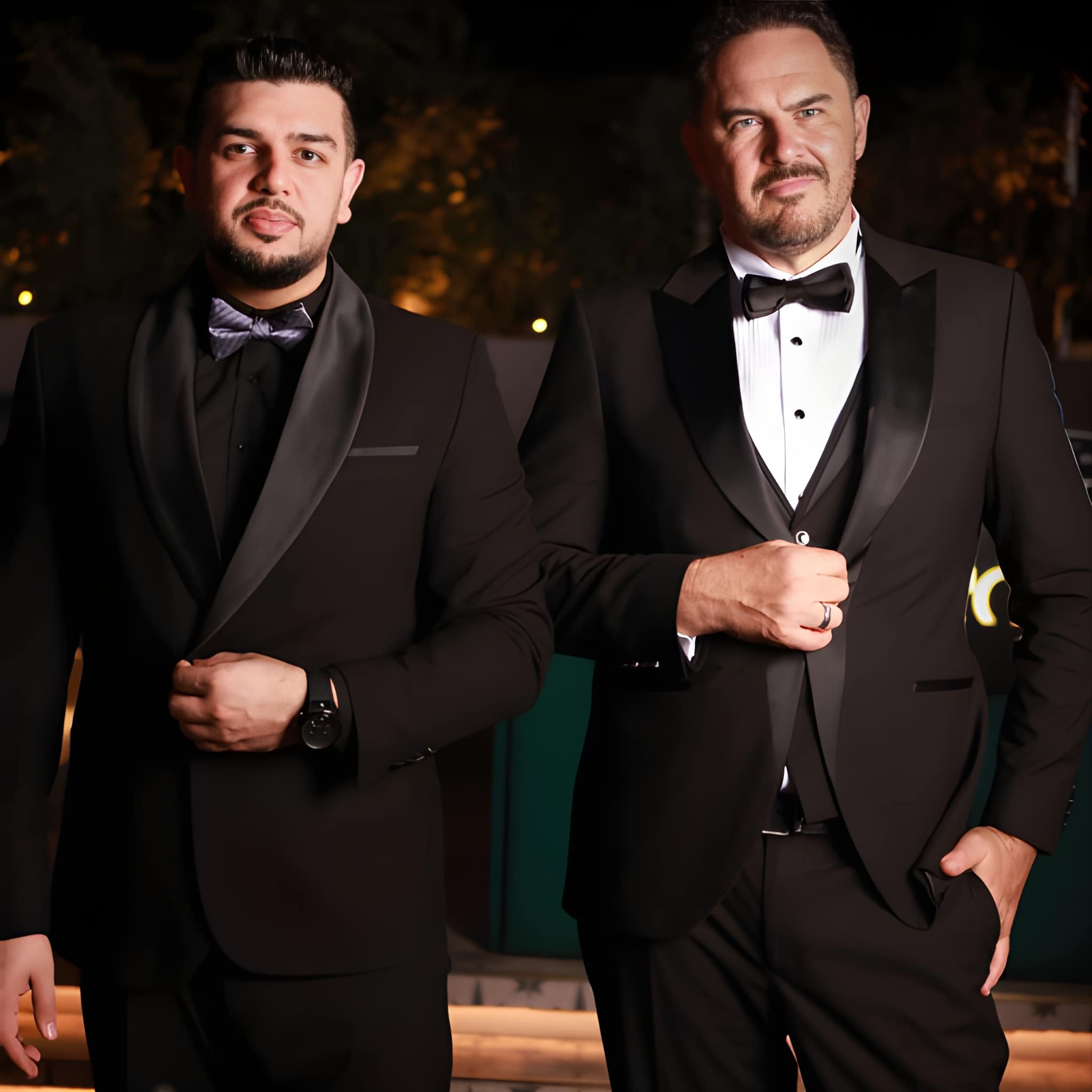
Real-world assets are shaping modern finance. Which categories—real estate, trade finance, carbon credits —are most promising for tokenization in the GCC over the next two years? What key challenges must be resolved for institutional adoption to scale?
Seyed Mohammed Siam Hosseini: Tokenization hasn’t yet reached mass adoption, but that shift is underway. Real estate tokenization will be one of the key sectors—especially in this region, and worldwide.
The second major sector is fintech. In the short term, I don't believe other categories will reach the same scale as these two.
We are focusing our efforts accordingly, developing a robust fintech application for launch soon and actively working in real estate tokenization. We know where to direct our energy.
The primary challenge lies with the people and companies behind the projects. Governments and regulators must enforce rigorous due diligence—stress-testing companies, verifying all claims—to prevent significant public fallout years down the line. The process needs to be efficient, but safety cannot be compromised.
What does “impact” mean to you?
Seyed Mohammed Siam Hosseini: For me, it means making the maximum possible impact within the UAE, so that globally, the country is recognized as a leader across multiple sectors.
We already achieved a great deal in technology—PR, investment, development. Now, we want to expand into other sectors, such as sustainability: building green cities in the desert without ruining the natural identity—deserts and greenery together.
In the next 10 to 12 years, we will witness remarkable advancements: sophisticated robotics, flying taxis, and a significantly greener environment with far more trees. I know it’s going to happen.
Beyond business, what fuels your creativity and perspective as a leader? Books, experiences, or routines?
Seyed Mohammed Siam Hosseini: Books are the best. I recommend reading all the books by Jim Rohn—he’s like the godfather of personal development. His books fit every type of person.
My own philosophy is simple: never stop. Whatever you’re pursuing, be relentless. Consistency is everything.
You’ll inevitably hit a dark moment— a point of exhaustion, disappointment, or doubt. That moment is the difference between successful people and people who never get results. You must keep going. If after 20 years you’re still working on an idea—that means it's great. Just keep going.
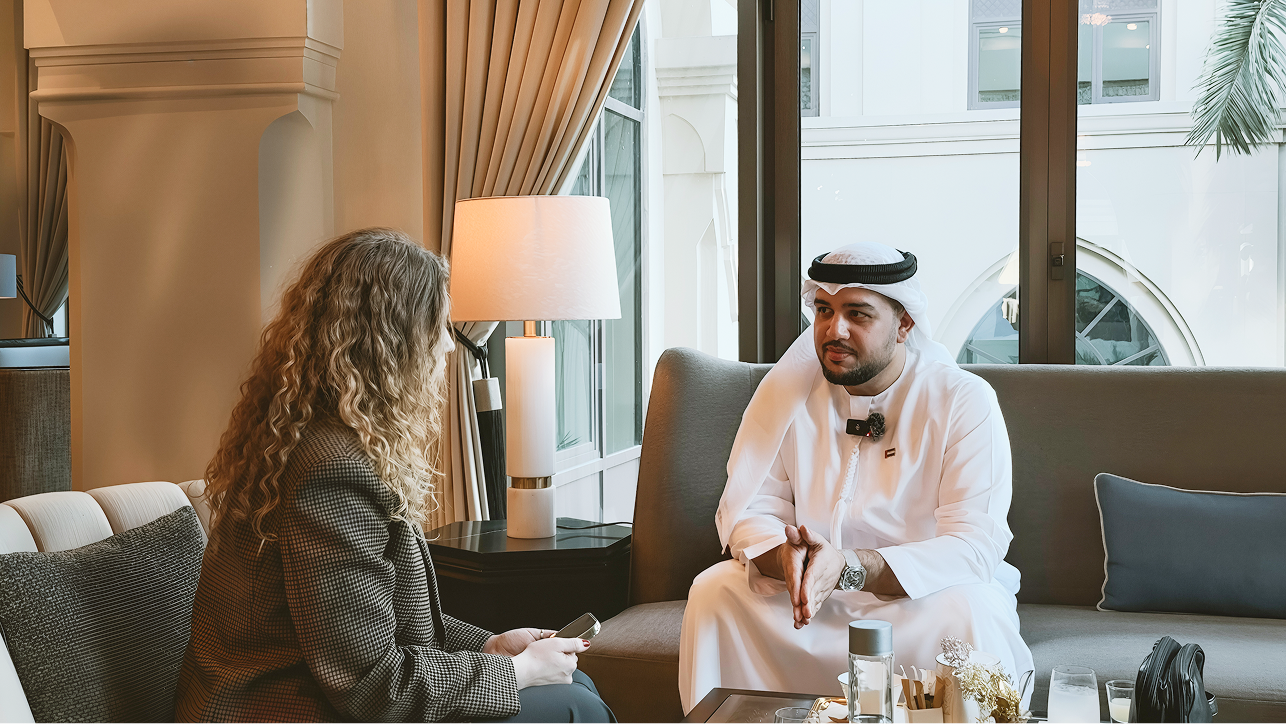
[Off-script / Additional Web3 question]
Web3. How is the UAE implementing Web3 into its ecosystem?
Seyed Mohammed Siam Hosseini: A couple of years ago, the UAE implemented a comprehensive, nationwide blockchain infrastructure. Many government processes are blockchain-based, with ongoing nationwide integration efforts across public infrastructure.
Every movement, every file is saved on blockchain. It is designed to be immutable and accessible only to authorized government entities, which is one of its greatest strengths.This is a key point to highlight—many people are unaware of the depth to which blockchain is integrated across the UAE's governmental systems.
Latest Posts

The Wait Is Almost Over: Sanaa Ouahmane’s Inner Armor Launches September 18
Apple’s new flagship arrives in UAE stores on September 18. Here’s what buyers need to know about the price, camera, battery, new A20 Pro chip and whether the upgrade is actually worth it.

Is a media outlet that is part of our agency and provides basic tools for nurturing your business.


