
Beyond Arabesque: The Middle Eastern Design Names Shaping a New Regional Aesthetic
From Beirut’s craft-led studios to a new generation of designers in Dubai and Riyadh, Middle Eastern furniture is becoming harder — and far more interesting — to define
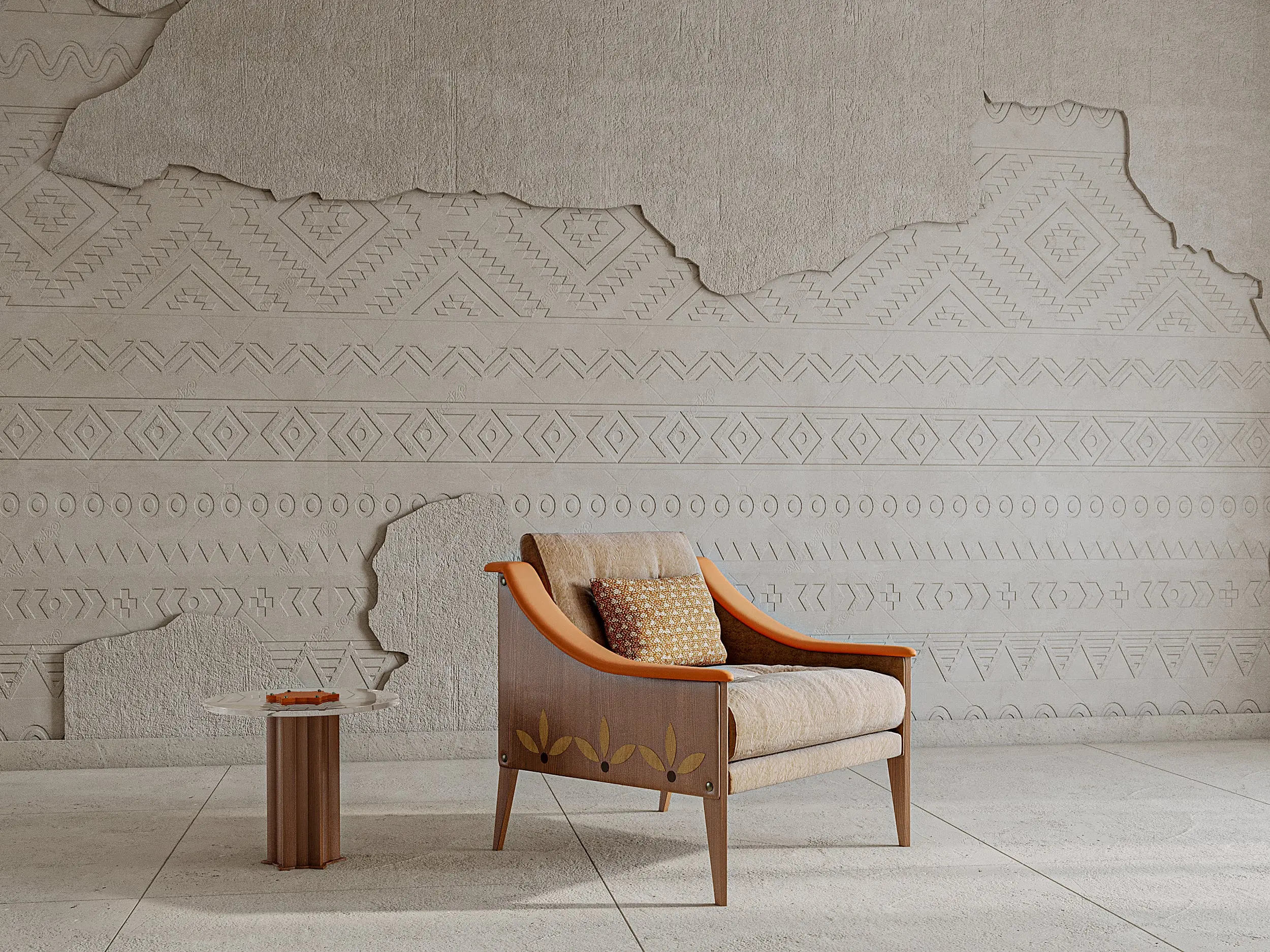
For years, the international design conversation followed a familiar map. Italy meant sculptural furniture and polished craftsmanship. Scandinavia stood for restraint and functionality. France brought antiques, decorative history and collectible interiors.
The Middle East was rarely granted the same kind of broad contemporary design identity.
That is changing.
Across Dubai, Beirut, Amman and Riyadh, designers are creating furniture and objects that feel distinctly connected to the region without relying on a single visual language. Some work directly with Arabic calligraphy or Najdi heritage. Others draw on childhood memories, traditional craftsmanship, textiles or local production without making those references immediately visible.
The result is not a new “Middle Eastern style”. In fact, the opposite may be true.
What makes the region’s current design scene exciting is precisely the absence of a formula.
Here are seven names helping to expand what contemporary Middle Eastern design can mean.
KHALID SHAFAR — UAE
Emirati identity expressed through form rather than decoration
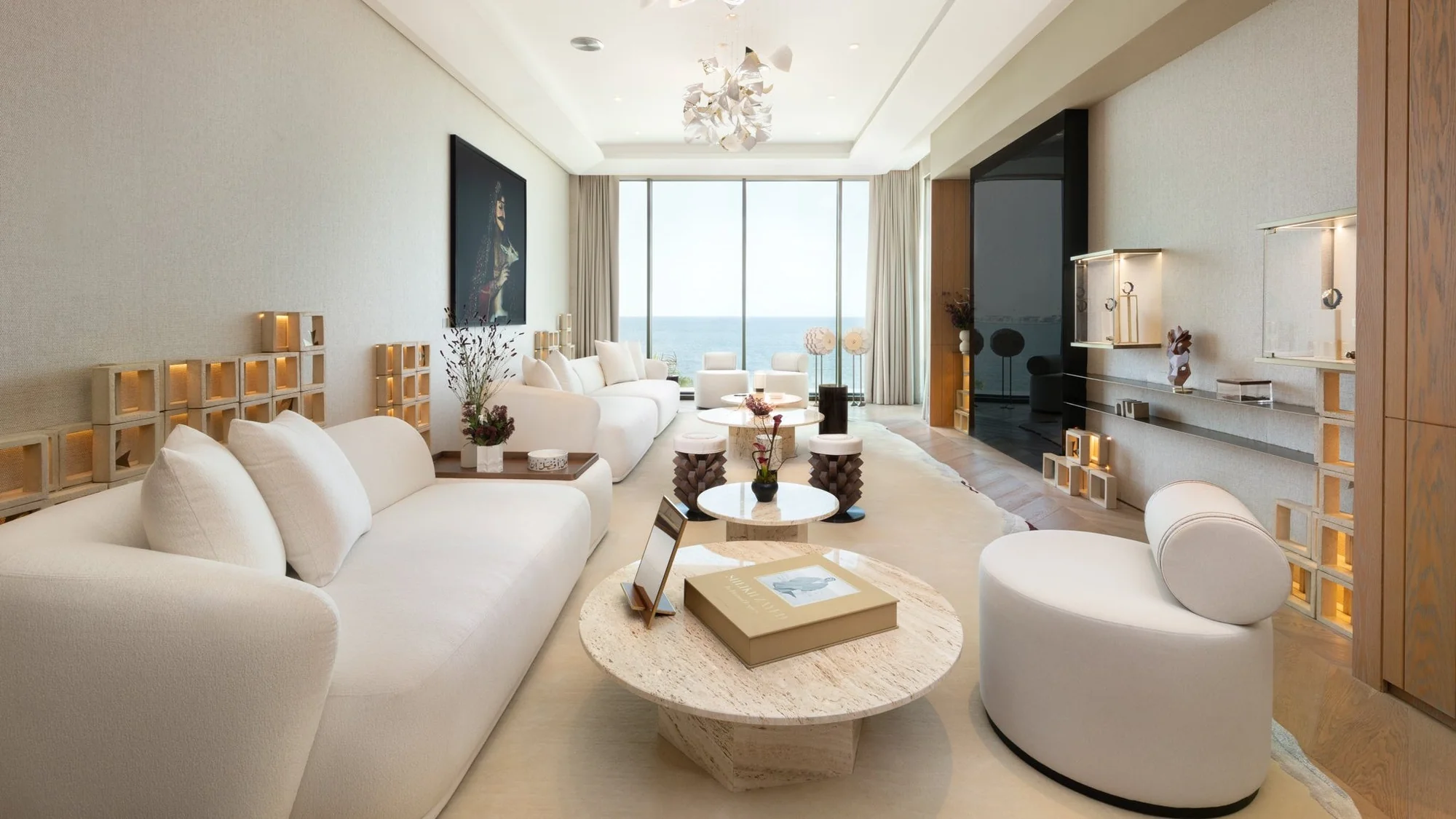
Khalid AlShafar established his Dubai-based studio in 2010 after studying design at Central Saint Martins in London and fine woodworking in New Zealand.
His work offers a useful entry point into contemporary Emirati design because it rarely relies on obvious heritage motifs.
Instead, references to the UAE appear through ideas: its social rituals, architecture, landscape and rapid transformation.
Clean architectural lines meet softer materials and organic shapes, allowing cultural identity to sit beneath the surface rather than becoming decorative shorthand.
It is an approach that feels increasingly relevant to designers across the region. A piece does not need a recognisable Arab pattern to have a specific cultural point of view.
KHALID SHAFAR now develops and produces furniture and homeware in the UAE, contributing to a wider shift towards locally designed and manufactured contemporary pieces.
Nada Debs — Lebanon
Where Middle Eastern craftsmanship meets global influences
Nada Debs has spent much of her career questioning the idea that craft belongs to the past.
Born in Lebanon, raised in Japan and educated at the Rhode Island School of Design, Debs has developed a design language shaped by multiple cultures.
Traditional techniques such as marquetry, carving and mother-of-pearl inlay appear throughout her furniture and objects, but they are frequently paired with contemporary geometry and unexpected materials.
Her work is particularly compelling when different cultural references intersect. Collections such as Now & Zen, for instance, bring Japanese restraint into conversation with Middle Eastern artisanal techniques.
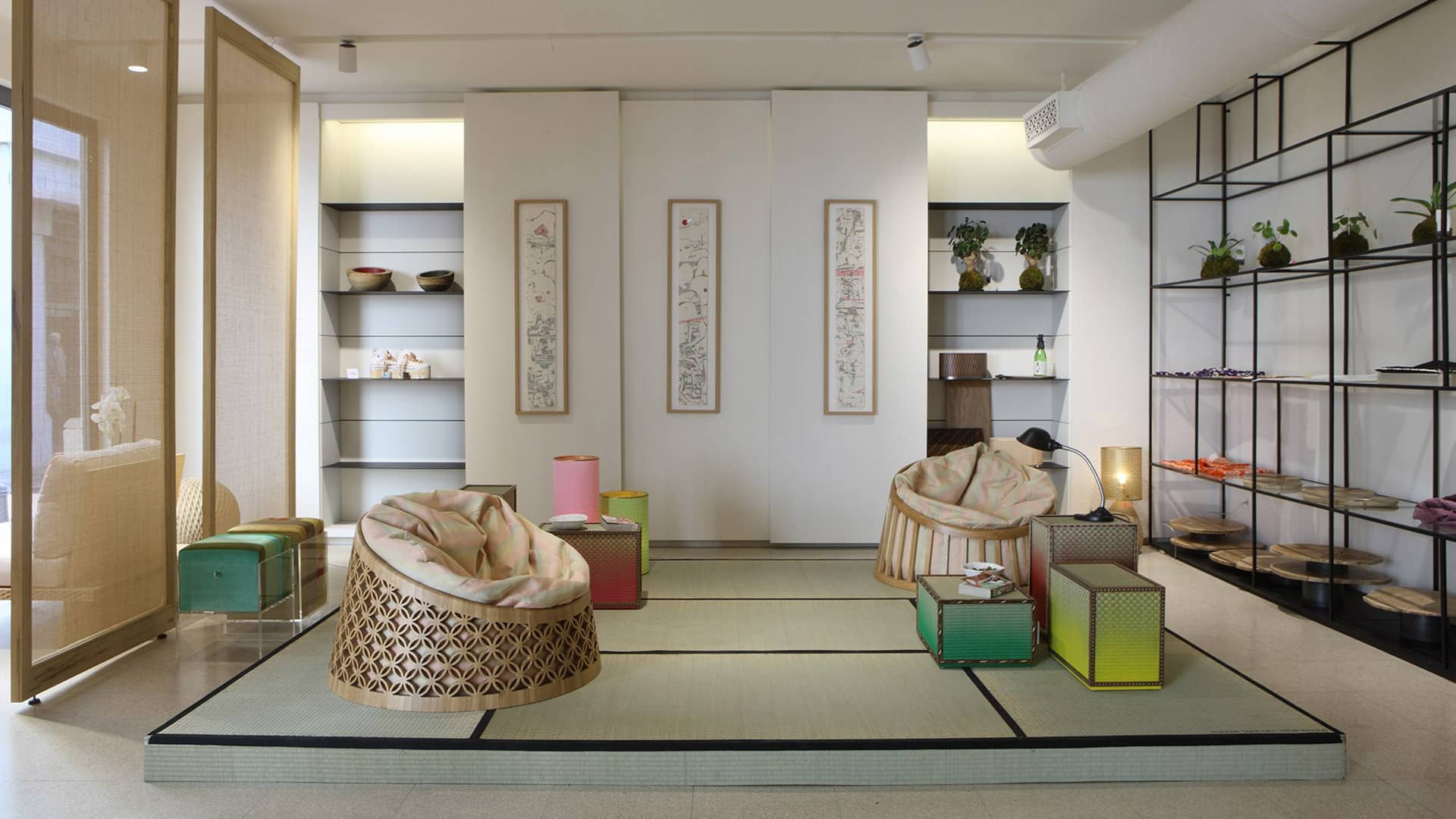
Rather than preserving craftsmanship by recreating historical objects, Debs places it in new contexts.
That distinction has helped make her one of the most internationally recognisable designers working from the Arab world today.
Bokja — Lebanon
Maximalism, storytelling and furniture with a second life
If Nada Debs demonstrates the quiet side of contemporary craft, Bokja sits confidently at the opposite end of the spectrum.
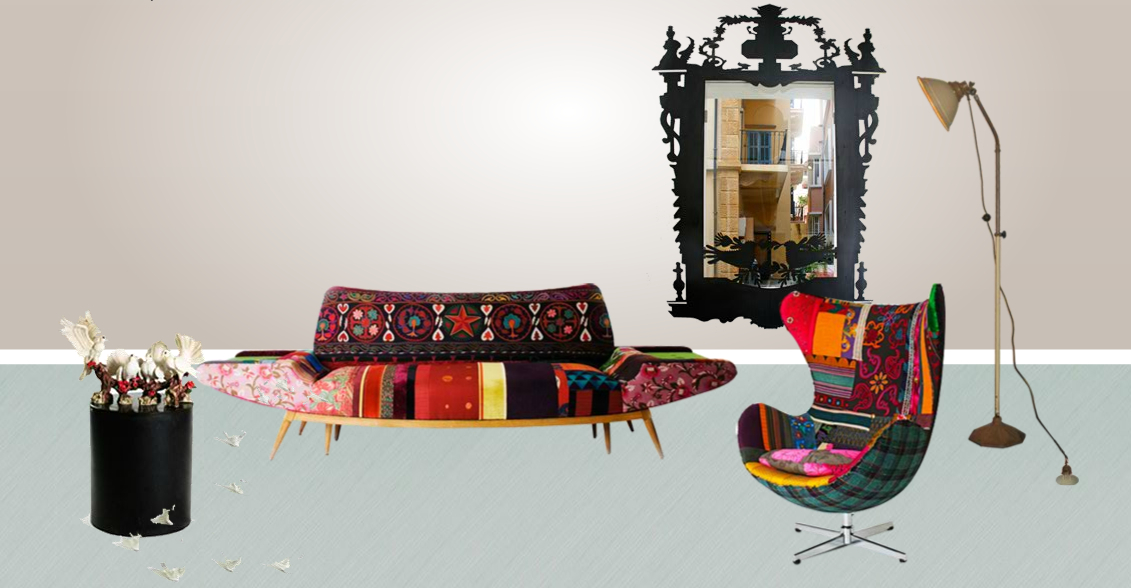
Founded in Beirut in 2000 by Huda Baroudi and Maria Hibri, the studio originally became known for covering vintage furniture with an eclectic mix of textiles collected across the region.
Over time, that approach evolved into a broader universe encompassing furniture, art, objects, installations and fashion.
Bokja pieces often feel assembled rather than conventionally designed. Embroidery, mismatched fabrics, reused materials and fragments of different cultural histories coexist on the same object.
The result is deliberately layered, colourful and emotionally charged.
Sustainability has also been part of the studio’s philosophy since its early years. Reworking existing furniture naturally introduced ideas of reuse, while later projects have expanded into reclaimed materials and zero-waste practices.
Bokja demonstrates that preserving craft does not necessarily mean treating it delicately. Sometimes keeping a tradition alive means allowing it to become something entirely new.
Mezlaj — Saudi Arabia
A contemporary interpretation of Najdi design
Saudi Arabia’s design ecosystem has developed rapidly in recent years, and Mezlaj represents a particularly interesting new direction.
Created by Saudi designer Noura Suleiman, co-founder of Riyadh interior studio NWII.III, the brand debuted at Downtown Design Riyadh in 2025.
Najdi heritage provides its starting point.
Rather than reproducing historical furniture literally, Mezlaj extracts elements of traditional forms, spatial culture and visual references and translates them into contemporary objects.
The resulting pieces feel grounded in Saudi identity while still belonging comfortably within modern interiors.
This is an important distinction as Saudi designers increasingly enter the international collectible-design conversation.
Heritage here is not treated as a fixed aesthetic to preserve intact. It becomes a source material that can be edited, simplified and reinterpreted.
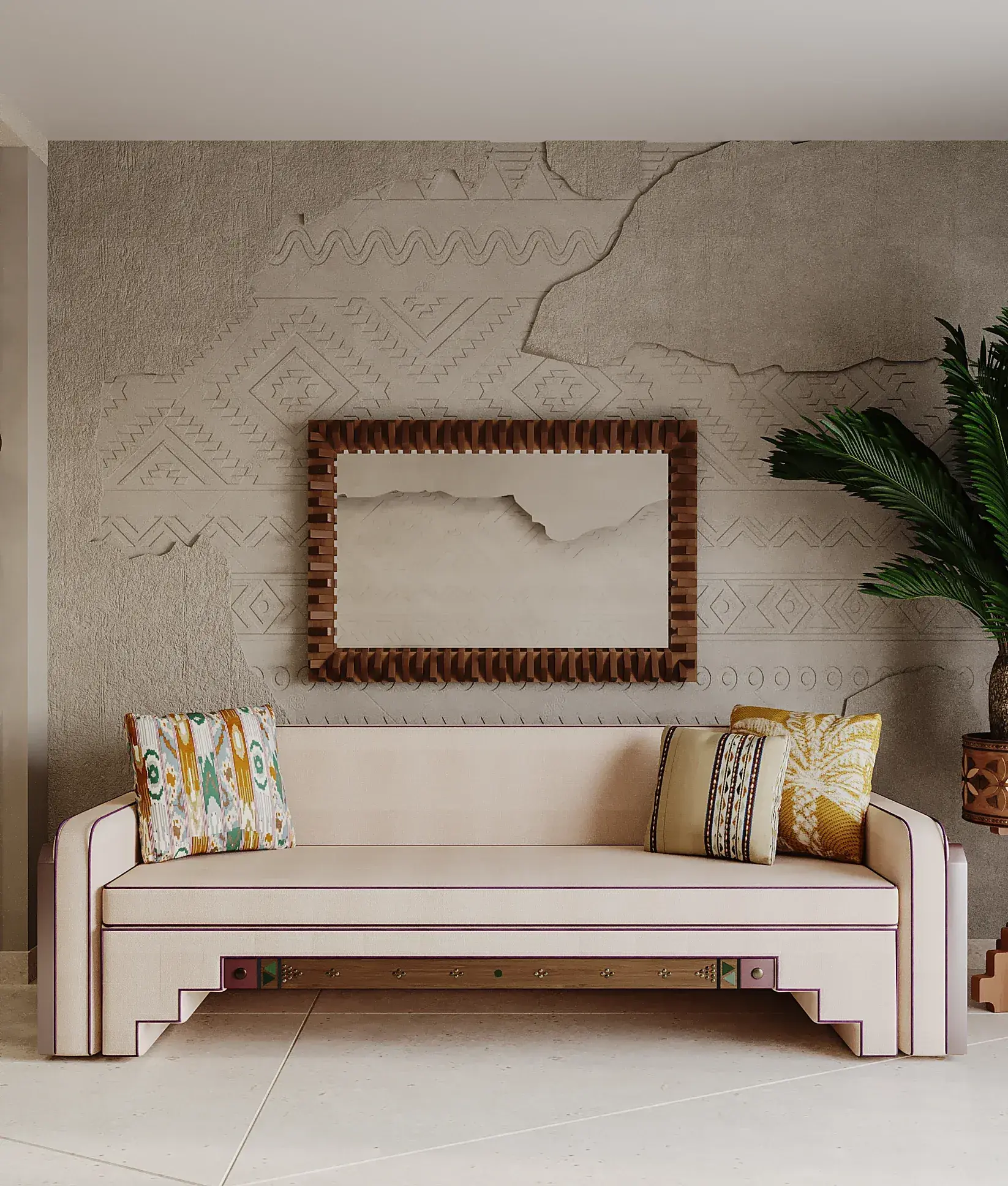
Kashida
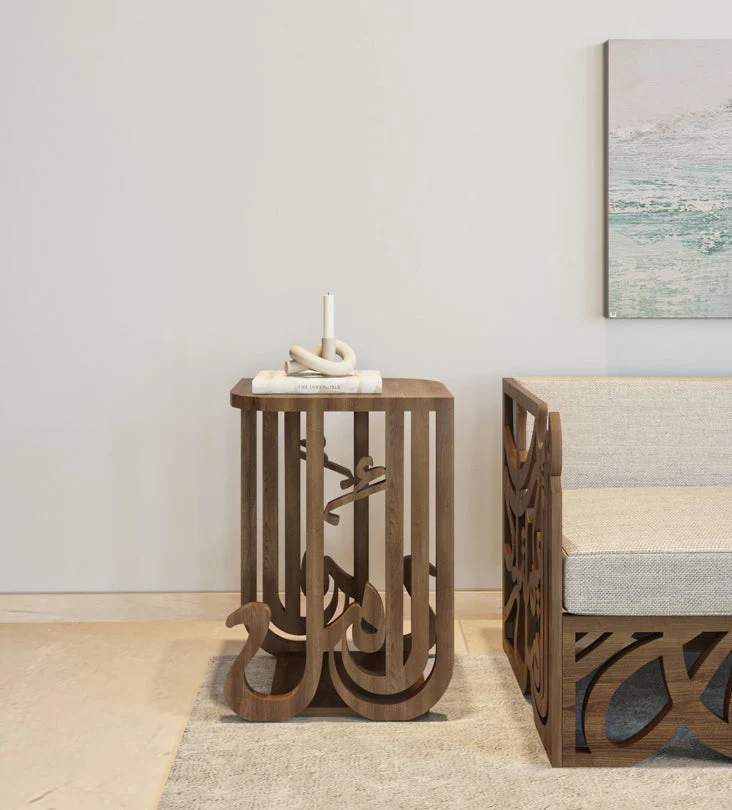
Arabic calligraphy becomes part of the architecture
Few visual references are as closely associated with the region as Arabic calligraphy.
That familiarity also creates a challenge: how can designers work with lettering without reducing it to decoration?
Kashida has developed one of the clearest answers.
Founded in 2011 by Elie Abou Jamra and Mirna Hamady, the brand creates furniture and home accessories in which Arabic letterforms often determine the physical construction of the piece itself.
Words are not simply engraved onto the surface of a table or cabinet. Their curves and proportions can shape the table, chair, mirror or shelving unit.
That structural approach allows calligraphy to function as design rather than ornament.
The brand’s catalogue now includes dining tables, majlis seating, armchairs, mirrors, bookcases, consoles and other home pieces produced in the Middle East.
Kashida is also evidence of how regional design is moving beyond galleries and limited-edition objects. Culturally recognisable contemporary furniture can also become commercially viable luxury design.
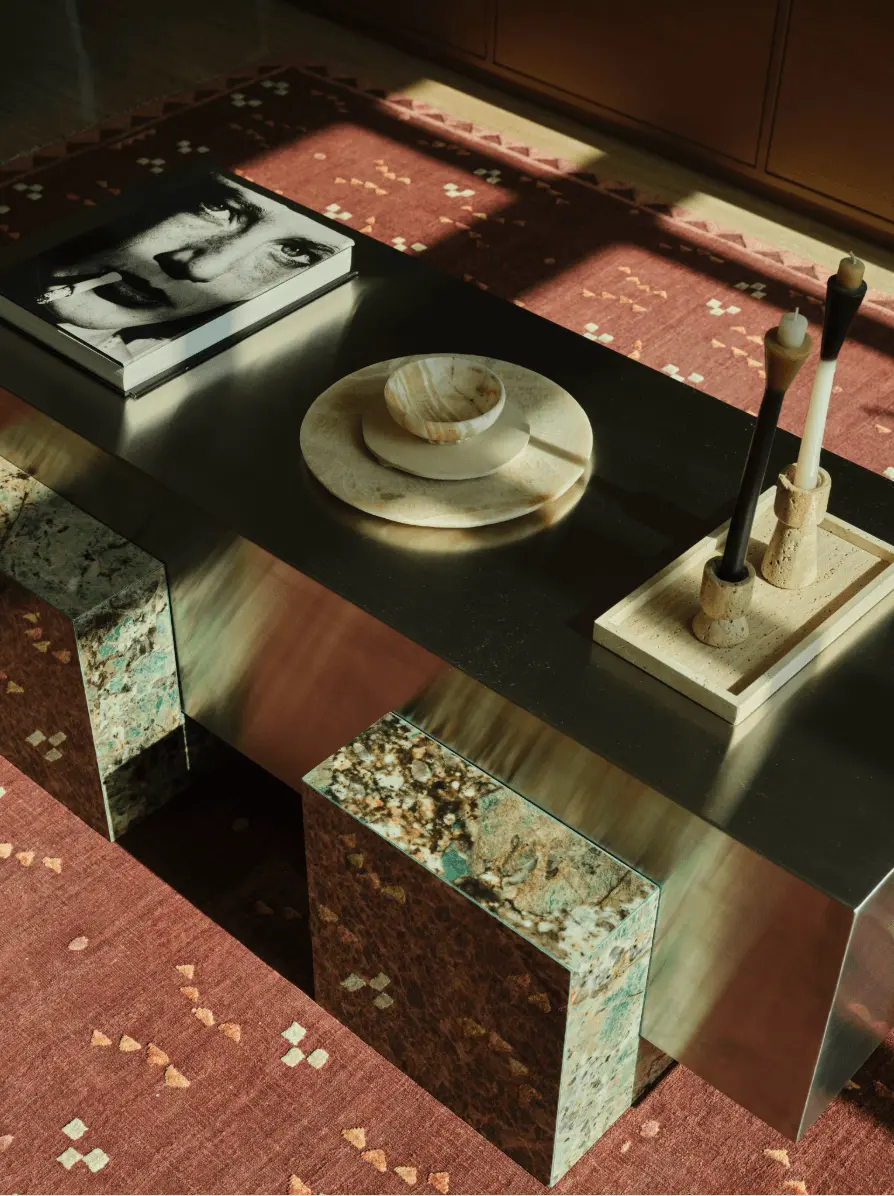
Contemporary Spaces — UAE
A younger Dubai brand that does not need to perform heritage
Not every regional designer feels the need to make cultural references visible.
Contemporary Spaces offers another perspective on what an Emirati-founded furniture brand can look like today.
Based in Dubai, the brand develops its own contemporary furniture while also curating vintage pieces.
Its visual language focuses on proportion, sculptural silhouettes and material experimentation.
The range includes sofas, tables, armchairs, desks, daybeds and smaller furniture pieces — often with little immediate indication that the company is based in the Gulf.
That, in itself, is significant.
Regional identity does not necessarily have to become the subject of every object produced in the region.
Sometimes where something is conceived, manufactured, presented and consumed is already part of its cultural context.
There is no longer one way for Middle Eastern design to look
Put these studios next to one another and the contrasts are more noticeable than the similarities.
Bokja embraces pattern, embroidery and abundance. Kawn is quieter and driven by memory. Nada Debs places traditional craftsmanship within an international design vocabulary. Kashida makes Arabic lettering unmistakable, while KHALID SHAFAR can reference Emirati culture without making it immediately visible.
Mezlaj looks specifically towards Najdi heritage.
Contemporary Spaces can move away from heritage references almost completely.
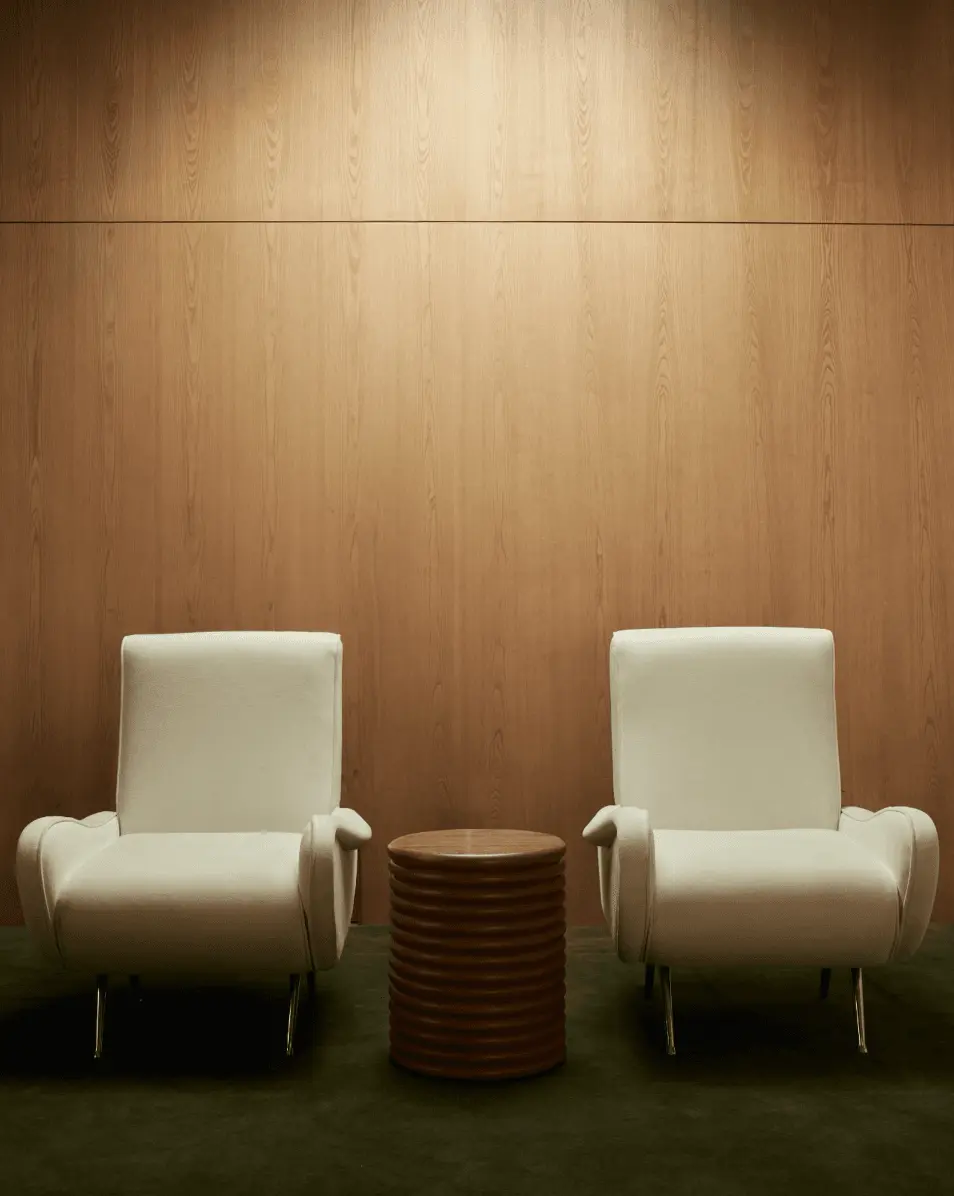
It would therefore be difficult — and increasingly unnecessary — to define contemporary Middle Eastern design through a checklist of colours, materials or motifs.
The more meaningful connection lies in how designers are approaching identity.
Rather than asking what regional furniture is supposed to look like, many are asking what parts of their culture, environment or personal histories they actually want to carry forward.
From ornament to process
For decades, the international shorthand for “Middle Eastern interiors” often revolved around highly recognisable imagery: arches, arabesques, geometric patterns, brass, rich fabrics and ornate detailing.
Those references have not disappeared.
But designers increasingly have the freedom to decide whether heritage should be visible at all.
Culture might appear through an inherited craft technique.
It might be embedded in a material or manufacturing process.
It could come from the proportions of a childhood home, the geometry of Arabic writing or the memory of a piece of furniture seen decades earlier.
The visual result can therefore be minimal, maximal, sculptural, colourful or almost entirely abstract.
That freedom may be one of the most important changes taking place in the region.
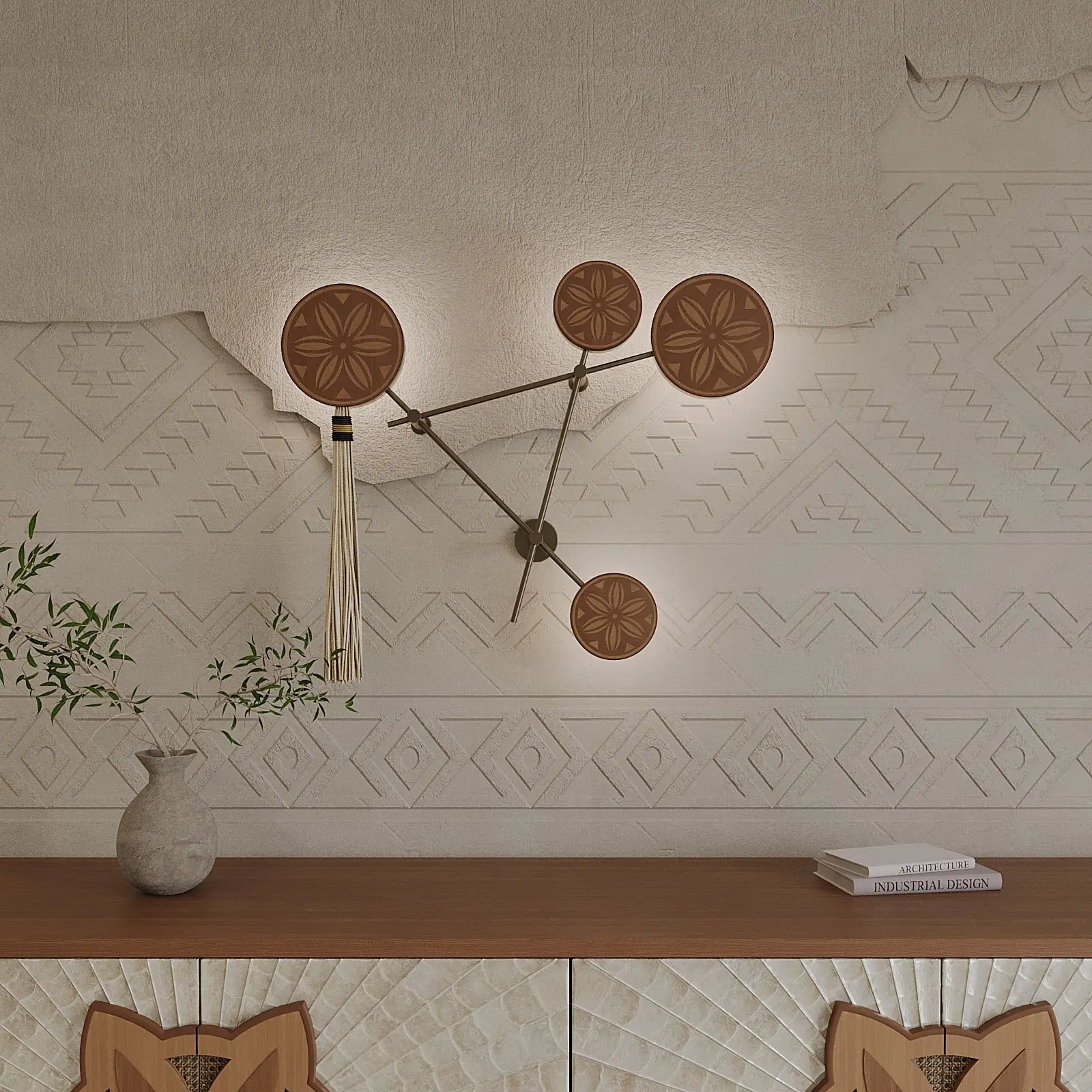
The Gulf is building a stronger design ecosystem
The shift is not happening only at studio level.
The infrastructure surrounding regional designers is expanding as well.
Saudi Arabia’s Designed in Saudi programme was created to encourage locally developed industrial design and strengthen the market for Saudi-made products.
In 2025, Downtown Design expanded to Riyadh for the first time, giving Saudi and international brands another major regional platform.
Meanwhile, Ithra’s long-running design programme has continued to evolve, with Ithra Design Week 2026 bringing together exhibitions, workshops, conversations and collaborations.
Dubai has already established itself as an important regional design hub through galleries, studios, fairs and events, while Beirut remains deeply influential through its long tradition of craftsmanship and independent creative practice.
Together, these developments mean designers have more opportunities not only to make objects, but also to exhibit, sell and discuss them within the region.
What this means for Middle Eastern interiors
A stronger furniture scene also gives architects and interior designers more interesting choices.
Designing a home, restaurant or hotel in Dubai or Riyadh no longer means choosing between imported European contemporary furniture and local pieces that intentionally look traditional.
There is now a substantial space between those two options.
A KHALID SHAFAR piece can introduce an Emirati perspective without dominating a room with heritage symbolism.
Kashida can make Arabic typography the focal point of an interior.
A Mezlaj object can bring a contemporary Saudi reference into the space.
Kawn can add something quieter and more personal, while Nada Debs and Bokja offer two radically different approaches to Lebanese craft.
These brands allow regional context to become part of an interior without turning the entire project into a themed interpretation of the Middle East.
The future of regional design is plurality
Perhaps the most useful way to understand Middle Eastern design today is to stop searching for a single definition.
Its strength increasingly comes from contradiction.
Craft can sit beside new manufacturing.
Minimalism can coexist with dense embroidery.
Arabic calligraphy can become highly visible furniture, while another designer from the same region may avoid recognisable cultural imagery altogether.
Heritage can be celebrated, questioned, abstracted or almost hidden.
And as more studios, exhibitions and institutions emerge across the Gulf and the wider Middle East, that diversity is likely to become even more pronounced.
The most compelling regional designers are not attempting to create one definitive Middle Eastern aesthetic.
They are creating enough different ones that the idea of needing a single aesthetic no longer makes sense.
Latest Posts

Apple’s new flagship arrives in UAE stores on September 18. Here’s what buyers need to know about the price, camera, battery, new A20 Pro chip and whether the upgrade is actually worth it.
From Dubai Opera and contemporary exhibitions in Sharjah to Abu Dhabi Festival and the arrival of Frieze, these are the UAE cultural dates to know this autumn

Is a media outlet that is part of our agency and provides basic tools for nurturing your business.


