
Art in Focus: Spring 2026’s Essential Events
From Venice to Dubai, Hong Kong to Maastricht – a curated guide to the season’s must-see exhibitions, fairs, and biennials shaping the global art scene
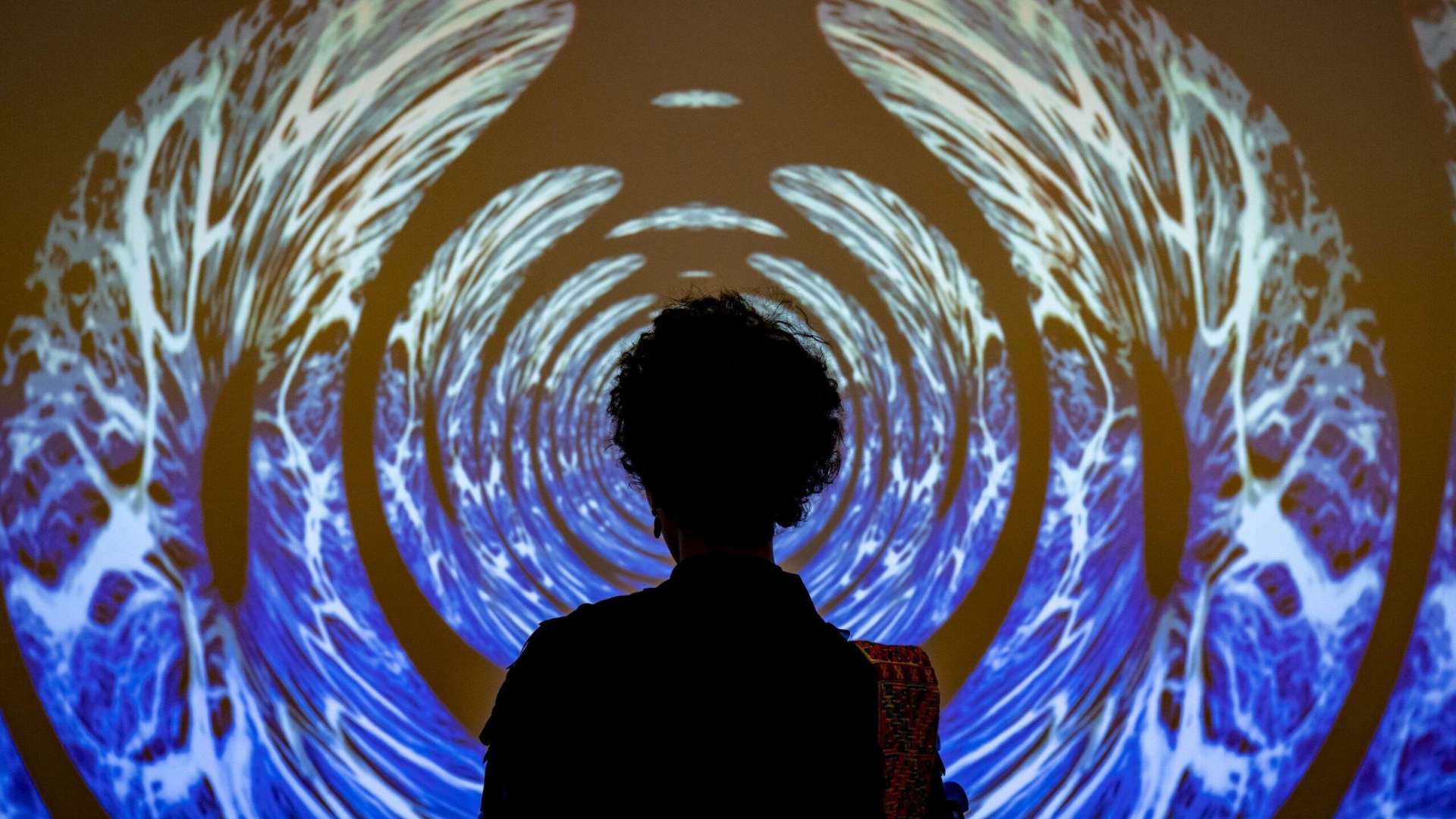
Spring traditionally heralds the opening of a new season on the international art calendar — a time when galleries, museums, collectors and artists converge at key exhibitions, fairs and biennials around the world. Despite the turbulence of recent years and the complex atmosphere felt across many regions, including the Middle East, art continues to serve as a kind of anchor. It is a space that not only reflects the world around us, but also allows it to be reconsidered — offering room for a deeper, more attentive way of looking.
In this guide we highlight some of the most significant art events of the spring season — the exhibitions, fairs and biennials that neither dedicated collectors, art professionals nor curious enthusiasts will want to miss. The upcoming months are particularly compelling, unfolding under the sign of major international biennials and art fairs that help shape the agenda of contemporary art.
One of the central events of the year will undoubtedly be the 61st Venice Biennale (9 May – 22 November 2026, Venice). The world’s oldest and arguably most influential exhibition of contemporary art, the Biennale has long functioned as a barometer of the global art landscape. More than a vast exhibition, it operates as a powerful institutional mechanism capable of transforming artistic careers: participation in Venice often becomes a defining moment, opening the door to international recognition, museum exhibitions and the attention of major collectors.

The 61st International Art Exhibition is curated by the Cameroonian-Swiss curator Koyo Kouoh, one of the most influential voices in the contemporary art world and the former director of Zeitz Museum of Contemporary Art Africa in Cape Town. Titled In Minor Keys, the exhibition will explore the emotional and cultural registers of the contemporary world, proposing a more reflective and meditative approach to artistic practice.
Tragically, Kouoh passed away in 2025 during the preparation of the project. Nevertheless, the Biennale will be realised according to her vision, becoming in many ways a tribute to her ideas and intellectual legacy. By the time of her passing, the curator had already developed the theoretical framework of the exhibition, defined its structure and selected the participating artists.
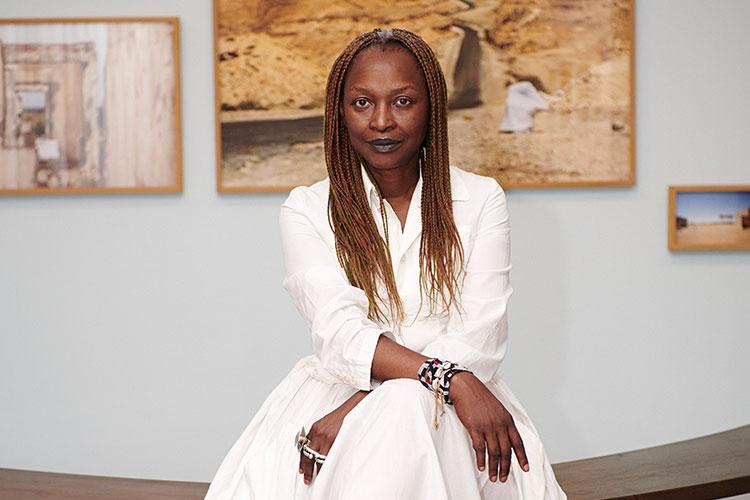
Kouoh herself described the tone of the project with striking clarity: “The world is tired. Even art is tiring. It is time for radical joy.” Her words underline the importance of humanity, community and the restorative power of beauty.
The main exhibition will feature more than 100 artists and collectives, many of whom represent countries of the so-called Global South — an emphasis that makes this edition particularly significant in terms of expanding the geographical narrative of contemporary art.
As always, an essential component of the Biennale remains the network of national pavilions representing artistic scenes from around the world. For the Gulf region, the participation of the United Arab Emirates National Pavilion is especially important. Traditionally located within the historic Arsenale, the pavilion for 2026 will be curated by Bana Kattan, curator and head of exhibitions at the forthcoming Guggenheim Abu Dhabi, which is expected to open later this year in the capital of the Emirates. The pavilion will present an independent curatorial project, continuing the country’s mission of presenting artistic practices and cultural narratives from the UAE on a global stage.
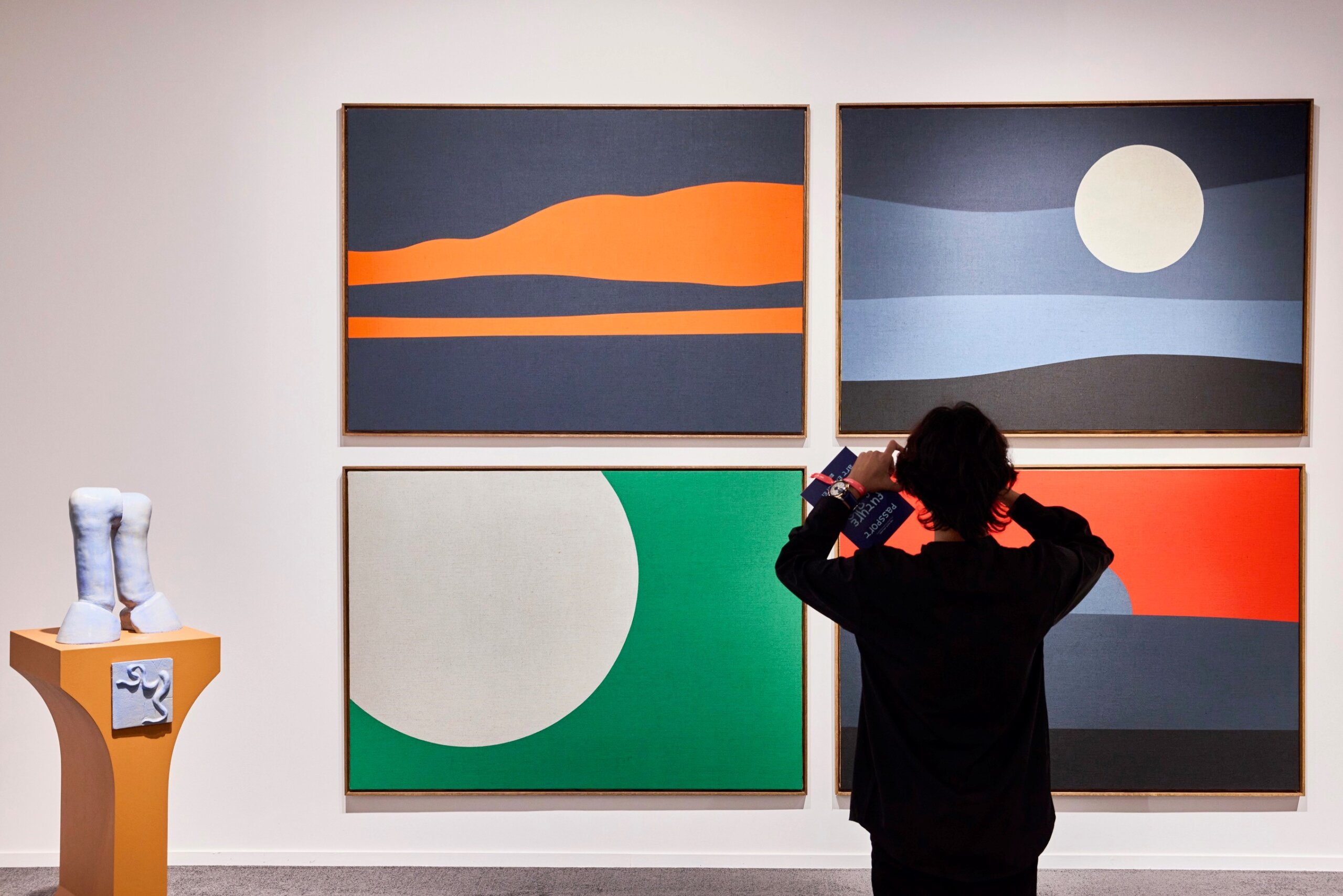
Another major event — particularly for audiences in our region — is the annual art fair Art Dubai, which will take place from 17 to 19 April 2026 at Madinat Jumeirah in Dubai. For many, Art Dubai is far more than a fair: it is a meeting point where artists, gallerists and collectors from across the globe gather to discover new voices, exchange ideas and observe the directions contemporary art is taking.
The 20th anniversary edition of the fair unfolds under the leadership of its new director Dunja Gottweis, who places particular emphasis on global dialogue and on balancing established masters with emerging talent. Under her direction, the fair continues to evolve, becoming even more dynamic and open to new formats and perspectives.
The programme will bring together more than one hundred galleries from over 35 countries, including new participants from Africa and Latin America. Its central theme — Future, Past, Present — sets the tone for a dialogue between heritage, the present moment and what lies ahead. Sections such as Zamaniyyat, Bawwaba and Art Dubai Digital continue to explore curatorial experimentation, immersive projects and the rapidly expanding field of digital art.
For those who follow the international art circuit and are ready to travel for the most significant fairs, Art Basel Hong Kong (27–29 March 2026) remains an essential stop. The fair has become one of the defining cultural events of the city — a place where East and West intersect, where emerging voices meet established masters, and where leading collectors and gallerists gather to gauge the pulse of the global art market.
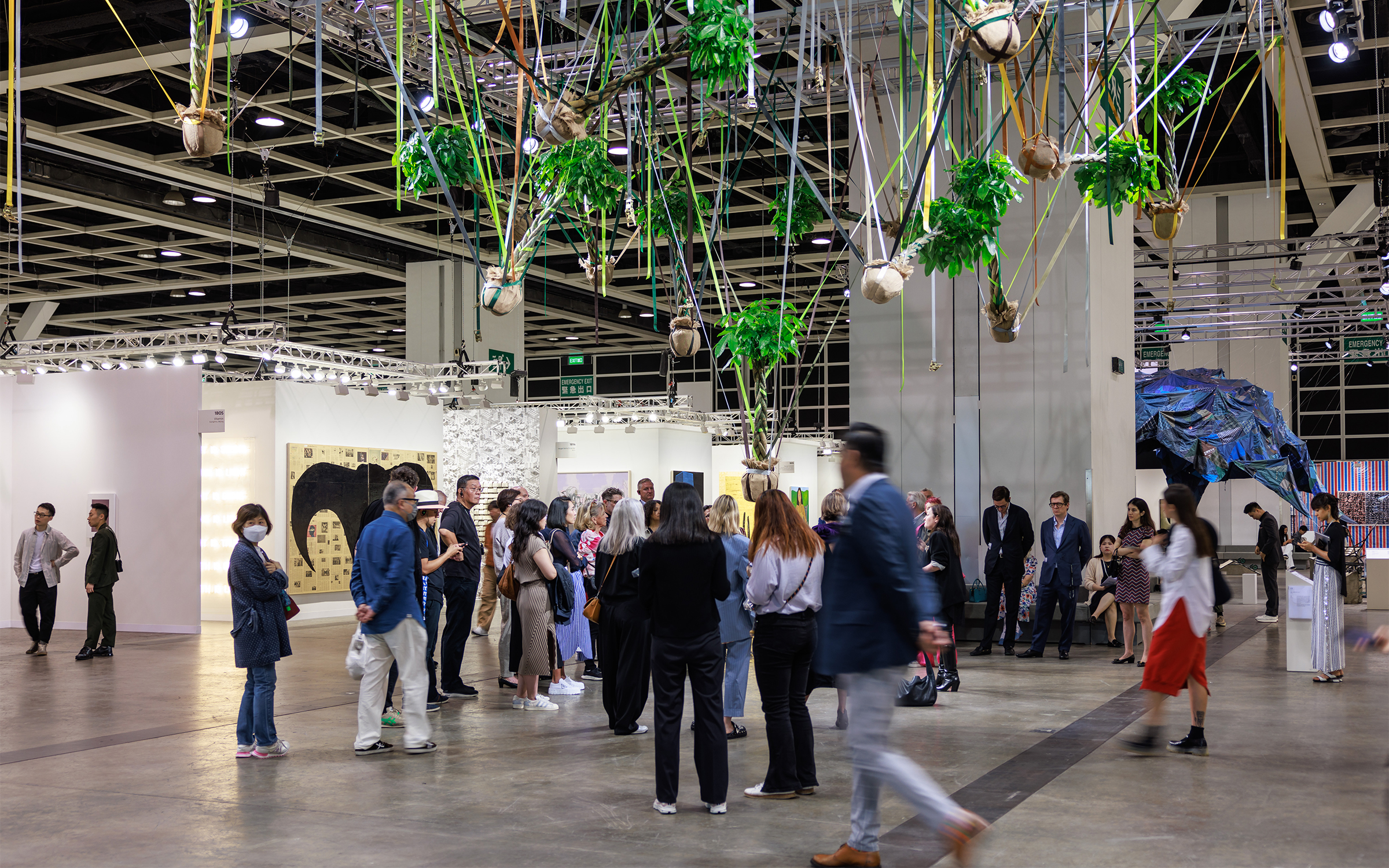
These days, Hong Kong transforms into a powerful magnet for the art world. From the luminous halls of the Hong Kong Convention and Exhibition Centre to the animated evening auctions at Sotheby’s and Phillips, the city is charged with a palpable sense of anticipation.
More than 240 galleries from around 40 countries will present their programmes, with a strong presence of Asian participants — making the fair a key platform for discovering regional scenes while observing global trends. Major auctions by Christie’s, Sotheby’s and Phillips traditionally coincide with the fair, drawing serious collectors from across the world. In recent seasons, headline lots have included works by Jean‑Michel Basquiat, and the 2026 edition is expected to bring new high-profile names to the market.
Alongside these highlights of contemporary art, two fairs of a very different — though equally significant — character deserve special attention: TEFAF Maastricht and TEFAF New York.
Widely regarded as Europe’s most prestigious art fair, TEFAF Maastricht (14–19 March 2026, Maastricht) is a celebration of connoisseurship where history and modernity speak the same language. For more than four decades TEFAF has remained one of the rare events where works from almost every artistic era can be encountered under one roof.
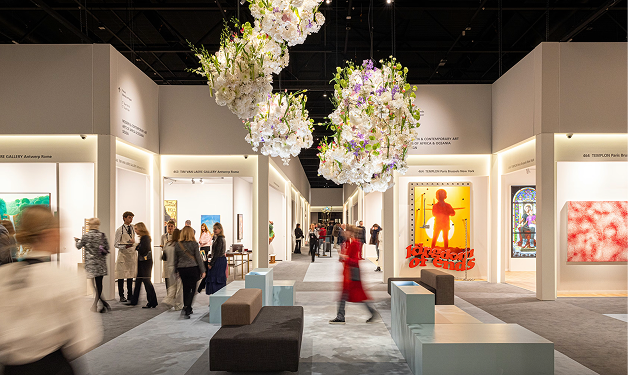
In Maastricht, visitors can expect exceptional examples of Old Master painting — from Rembrandt and Peter Paul Rubens to Anthony van Dyck and Johannes Vermeer. Alongside them appear masterpieces of modernism and twentieth-century art, including works by Pablo Picasso, Joan Miró, Marc Chagall and Lucio Fontana.
Yet TEFAF is far from being solely a fair of paintings. Visitors will also encounter rare examples of decorative arts, exceptional jewellery, antiquities and archaeological artefacts — making it one of the most intellectually rich and eclectic platforms of the global art market.
During these days Maastricht became an intellectual centre of the art world. Under one roof stand works that inspire equal reverence among seasoned experts and those encountering such masterpieces for the first time. Each painting and sculpture carries its own story — filtered through centuries and preserved for the contemporary viewer.
After the Dutch edition, as spring reaches its height, TEFAF crosses the Atlantic to TEFAF New York (15–19 May 2026) at the legendary Park Avenue Armory in New York.
In New York the fair takes on a slightly different character while maintaining its museum-quality standards. TEFAF New York traditionally emphasises the dialogue between historical works and art of the twentieth and twenty-first centuries. Visitors may encounter works by modernist and post-war artists — from Pablo Picasso and Alexander Calder to Mark Rothko and Ellsworth Kelly.
Alongside them, galleries present key figures of contemporary art, including Louise Bourgeois, Gerhard Richter and Anselm Kiefer. Through this combination of historical works, modernism and contemporary practice, the fair becomes a space where the evolution of artistic ideas can be traced — from classical forms to the most current artistic languages.
Both editions of TEFAF — Maastricht and New York — belong to that rare category of events where art is not only an object of admiration but also part of a broader cultural heritage that we preserve, study and pass on to future generations.
The global events of recent years have become a kind of point of reference, revealing how rapidly the world can change and how important it is to remain attentive to the processes shaping the global cultural agenda. And yet the interest in art — particularly among collectors and cultural patrons in the Gulf region — continues to grow.
Spring 2026 offers an exceptional concentration of events that define the international art calendar: from the Venice Biennale and Art Dubai to Art Basel Hong Kong and TEFAF in Maastricht and New York. These are the coordinates of the global art world that truly cannot be missed. Perhaps now is the moment to chart your own itinerary — following art from city to city, from fair to biennial, and observing how the cultural landscape of our time continues to unfold.
Latest Posts

After nearly a decade away, the Dubai International Film Festival is preparing to return with a fresh identity, a stronger focus on regional storytelling, and new opportunities for the film industry
The city’s best Halloween dinners, DJ nights, brunches and themed parties, all in one place

Is a media outlet that is part of our agency and provides basic tools for nurturing your business.


