
Arab-Owned Fashion and Beauty Labels Redefining Global Style
Celebrating the Visionary Women Shaping the Middle East’s Creative Economy

While Paris and Milan have long dominated the global fashion conversation, the Middle East has quietly cultivated a style identity that is entirely its own—a sophisticated balance of international trends and ancestral heritage. This creative evolution is currently powered by a surge in female leadership; in the UAE alone, women now represent 18%of all entrepreneurs, with nearly 80% of these female-founded businesses led by visionaries under the age of 40. On International Women’s Day, we celebrate the most compelling Arab-owned brands merging cultural grace with modern innovation.
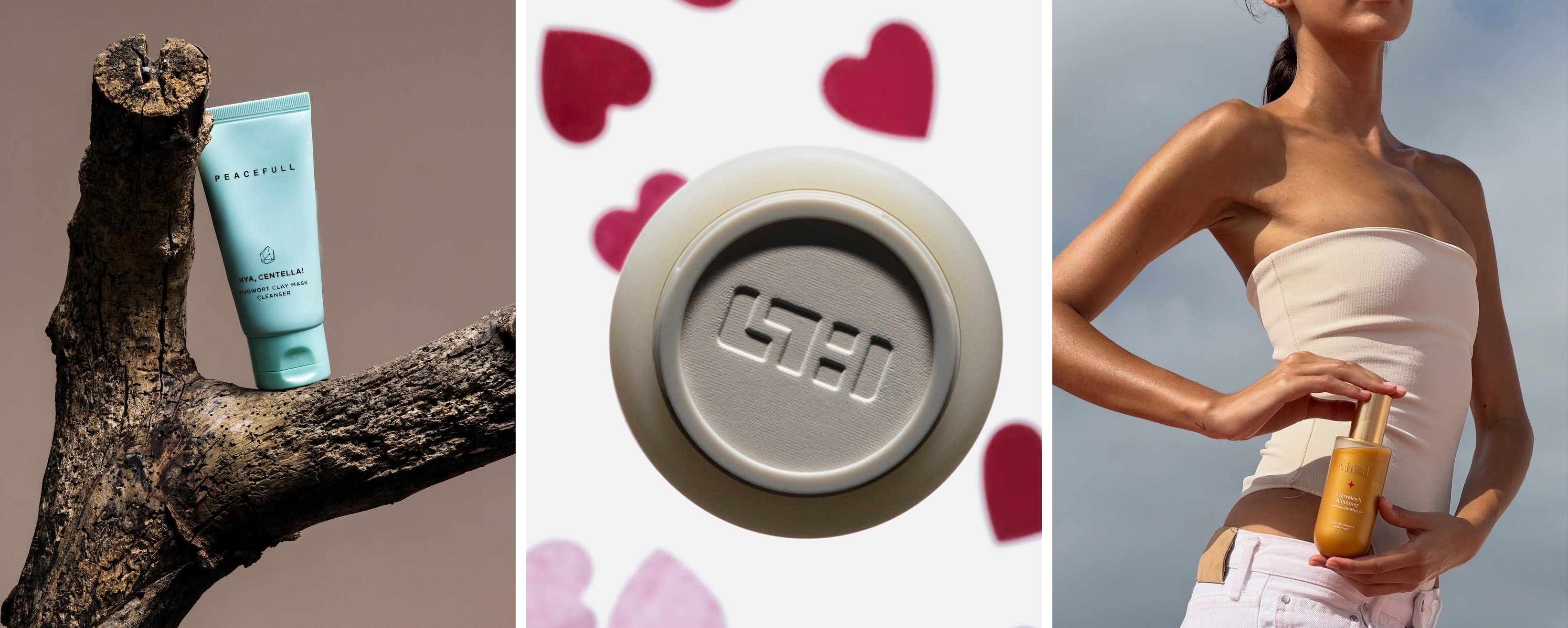
The beauty landscape is being transformed by founders who prioritize both performance and heritage. Palestinian-born twin sisters Simi and Haze Khadra have taken the industry by storm with SIMIHAZE BEAUTY, an LA-based brand built on a "minimalist yet editorial" philosophy. Their multi-functional products are designed for high-impact looks with minimal effort, making them a staple for the Gen-Z audience. Similarly, Emirati entrepreneur Salama Mohamed launched Peacefull to address the needs of sensitive skin, a mission inspired by her own journey with vitiligo. By blending Korean skincare science with inclusive formulas, she has created a line that offers healing for all skin types. Meanwhile, Whind, founded by Hind Sebti, captures the essence of the Moroccan "golden hour" by fusing high-tech active ingredients with evocative North African scents like neroli and saffron.
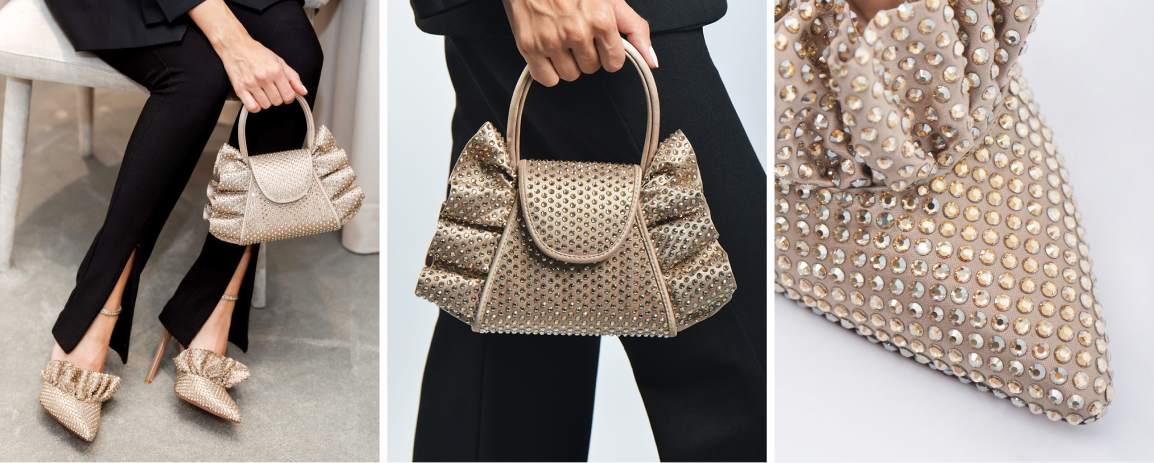
In the world of luxury accessories, Arab designers are setting the global pace. Amina Muaddi, of Jordanian-Romanian descent, has become a household name with her signature flared heels and crystal-encrusted silhouettes, famously worn by Rihanna and Beyoncé. In Beirut, Andrea Wazen—who trained under legends like Christian Louboutin—handcrafts "shoe couture" defined by delicate ruffles and Swarovski embellishments.
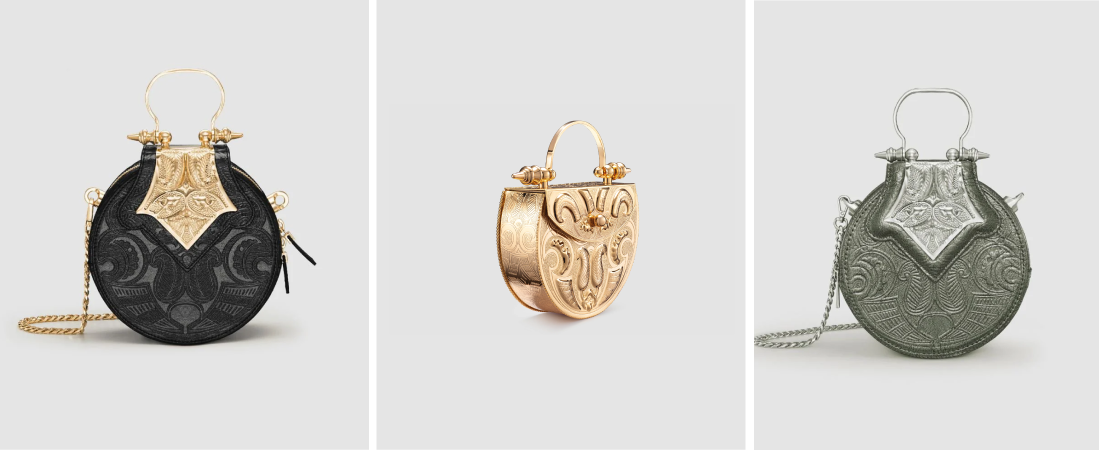
The spirit of sisterhood is literally woven into Okhtein (meaning "two sisters" in Arabic), a Cairo-born label by Aya and Mounaz Abdel Raouf. Their handbags, which celebrate Egyptian metalwork and brass hardware, have earned them a place in the global luxury market. Complementing this rise in accessories is the Karen Wazen Collective, where the Lebanese-British digital powerhouse has translated her personal aesthetic into a bold, modern eyewear and jewelry brand stocked at world-class retailers like Net-A-Porter.
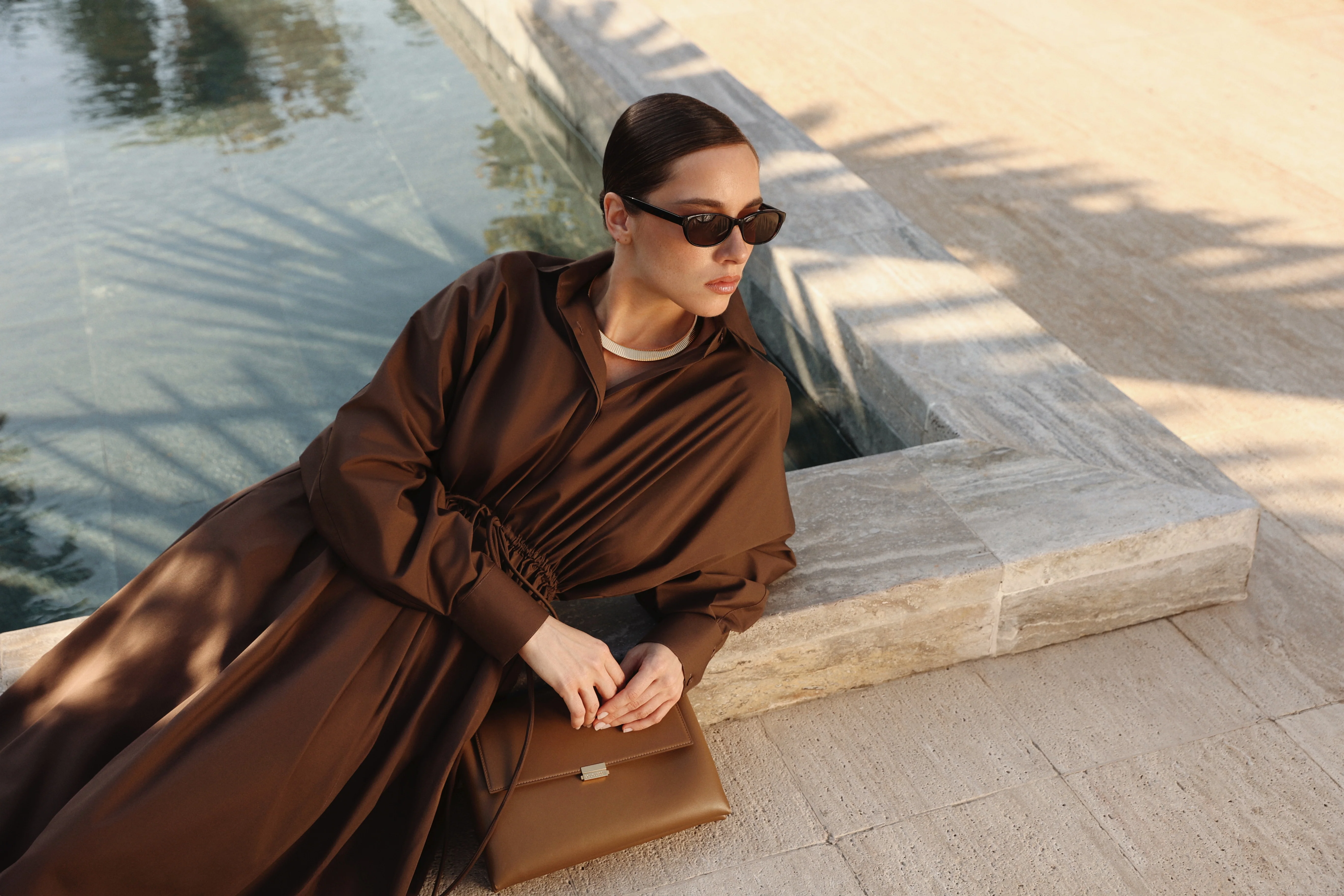
The ready-to-wear sector is also witnessing a shift toward minimalist sophistication and thoughtful design. Bouguessa, founded by Faiza Bouguessa in Dubai, is a masterclass in merging Parisian tailoring with the values of modest dressing, creating architectural silhouettes favored by royalty and icons alike. Egyptian designer Marmar Halim has navigated a similar path to success, growing a home-based studio into a global house known for flowing, nature-inspired silhouettes that bridge Eastern glamour and Western ease. From Saudi Arabia, Leem has become a trailblazer for "global modest" fashion, becoming the first Middle Eastern brand to join Selfridges with its sculpted kaftans and reimagined traditional coats.
Finally, labels like Lama Jouni and Sandra Mansour represent the fierce and poetic sides of Lebanese design. Jouni’s signature cut-outs and figure-conscious tailoring have found a dedicated audience in stars like Bella Hadid, while Mansour—the first Arab designer to collaborate with H&M—remains a symbol of resilience. Her Beirut-based house is famous for its intricate embroidery and storytelling, proving that despite regional challenges, the creative energy of the Arab world continues to flourish and inspire on the global stage.
Latest Posts

At Dubai AI Festival 2026, the academy will showcase its hands-on training programs designed to equip enterprises, universities, and professionals with the skills to defend against emerging AI threats
After nearly a decade away, the Dubai International Film Festival is preparing to return with a fresh identity, a stronger focus on regional storytelling, and new opportunities for the film industry

Is a media outlet that is part of our agency and provides basic tools for nurturing your business.


